

15 Engaging Water Sensory Play Ideas for Young Children to Boost Development
As a parent, you are always looking for activities that are not only fun but also support your child’s growth. One of the most effective and accessible ways to encourage learning is through sensory play. Specifically, water sensory play ideas provide a versatile, tactile experience that captivates young minds while offering incredible developmental benefits. Whether you are in the middle of summer or looking for a rainy day activity, water acts as a natural laboratory for discovery. You can also explore 15 engaging screen-free water activities for toddlers to beat the boredom for more inspiration.
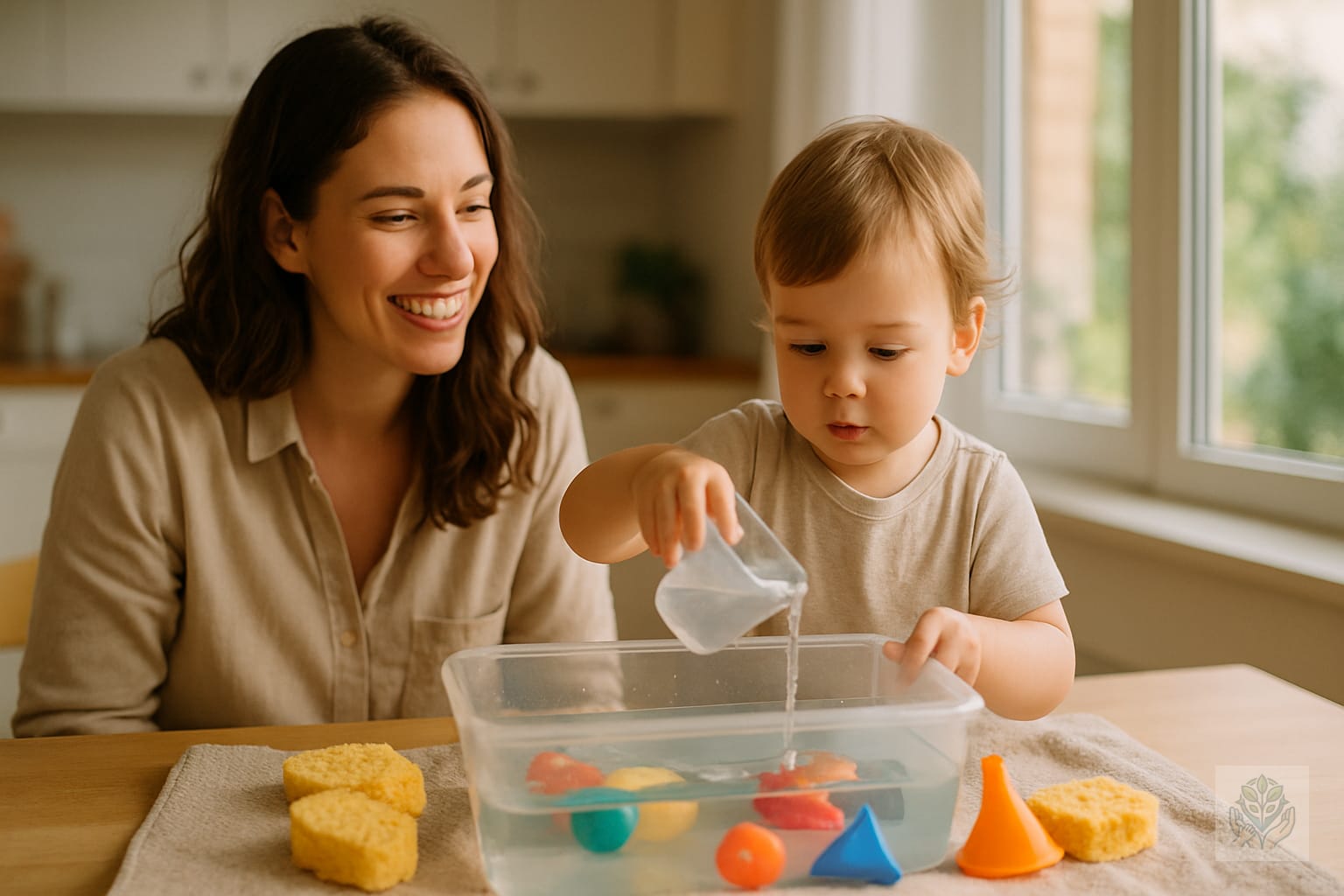
Many parents worry about the mess, but with a bit of planning, creating a contained play area is simple. By setting up a dedicated water station using a plastic bin, a designated water table, or a shallow tray placed on a towel, you can provide your child with hours of independent exploration. This article will guide you through the developmental benefits of water play and provide 15 easy-to-implement ideas to keep your child engaged and learning.
The Benefits of Water Sensory Play
Water is a fascinating medium for children. Beyond the simple joy of splashing, it serves as a powerful tool for developmental milestones. First, it is exceptional for fine motor skill development. When children pour, scoop, squeeze sponges, or use eye droppers to move water, they are strengthening the small muscles in their hands and improving their hand-eye coordination. You can find more inspiration in our guide to 15 engaging indoor activities that improve fine motor skills for kids.
Beyond motor skills, water play introduces children to fundamental scientific concepts. They begin to experiment with cause and effect, volume, and the difference between items that float and those that sink. This builds the foundation for mathematical and scientific thinking. Furthermore, water play is inherently rich with vocabulary opportunities. As your child splashes, you can introduce descriptive words like wet, dry, cold, warm, bubbly, and transparent, which significantly aids in language development.
Finally, there is a distinct, calming, and therapeutic effect associated with water. For many children, the rhythmic nature of pouring water helps them regulate their emotions and settle down after a high-energy period. It is truly a low-stress, high-reward activity for any developing brain.
Essential Tools for Water Play Success
Before diving into the activities, having the right supplies ensures that the focus remains on the fun. A simple plastic storage bin is often all you need to get started. If you plan on doing this frequently, a dedicated water table is a fantastic investment. To keep the area manageable, always keep a few large towels nearby to catch inevitable spills.
The tools you choose to include in the water can change the nature of the play entirely. Consider adding items such as:
- Plastic cups, bowls, and pitchers for pouring
- Funnels to observe the flow of water
- Kitchen basters or eye droppers for precision
- Natural sponges for soaking up and squeezing water
- Whisks or egg beaters to create foam
To minimize mess, define the play area clearly. If playing indoors, place your water bin inside a larger flat tray, such as a baking sheet or a sensory bin, to contain splashes before they hit the floor. Check out our ultimate guide to indoor toddler activities for more tips on managing play at home.
Creative Water Sensory Play Ideas for Young Children
Here are 15 engaging concepts to try at home, ranging from simple to themed activities:
- The Car Wash: Grab a collection of plastic toy cars, a sponge, and a little tear-free soap. Your child will love scrubbing their “dirty” vehicles clean.
- Color Mixing: Add a few drops of food-safe dye to water. Use clear cups and encourage your child to pour colors into one another to see them change.
- Nature Discovery: Collect pebbles, leaves, and flowers from a walk and place them in the water. Ask your child which items sink and which float.
- Arctic Rescue: Freeze small plastic animals inside an ice block overnight. Let your child use warm water and a dropper to “rescue” them from the ice.
- Ocean Beach Theme: Use kinetic sand on one side of the bin and water on the other. Add seashells and toy crabs for an immersive sensory beach experience.
- Bubble Foam Fun: Mix a small amount of water with tear-free soap and use a hand mixer to create stiff, cloud-like bubbles for your child to scoop.
- Sponge Painting: Dip large sponges into colored water and “paint” the sidewalk or a large sheet of paper outdoors.
- The Toy Wash: Similar to the car wash, clean plastic dolls, dinosaurs, or tea sets. It teaches responsibility and care.
- Water Transfer: Provide two containers—one full of water and one empty—and a variety of tools like a sponge, a turkey baster, and a ladle to transfer the liquid.
- Pipe Work: If you have an outdoor water table, use pieces of PVC pipe or pool noodles to create a water slide system for floating toys.
- Ice Cube Soup: Fill a bin with water and a few trays of ice cubes. Provide a large spoon for stirring and a colander for fishing the ice out.
- Flower Petal Bath: Add flower petals or herbs like mint to the water for a scented sensory experience that engages smell and touch.
- Sink or Float Experiment: Place a variety of household items in the water, such as a metal spoon, a wooden block, and a plastic lid, to explore physics.
- Rainbow Pouring: Use multiple colored waters and different shaped containers to see how levels look when stacked or filled.
- Duck Pond: Add floating rubber ducks and a few ping pong balls for a simple, classic water activity that focuses on fine motor grabbing.
Indoor vs. Outdoor Water Play Strategies
Managing the location of your water play is key to consistency. Outdoor play is the easiest, as you do not need to worry about the floor. On hot summer days, placing a sensory bin on the grass or patio allows for ultimate freedom. In colder months, you can bring the fun inside. Using a large tray under the water bin is essential for indoor play. Always perform the activity in a room with a wipeable floor, like the kitchen or bathroom, and prepare a towel station for the inevitable drips.
Safety First: A Parent’s Guide
Safety is the most important aspect of any play activity. Always provide constant supervision. Even in shallow water, a child needs an adult nearby. Choose non-toxic, age-appropriate items that do not present a choking hazard, especially if your child is still in the mouthing stage. Learn more about maintaining a secure environment in our ultimate guide to baby safety. Finally, make it a habit to dump the water and sanitize your bins and toys after each use to prevent bacteria growth. This keeps the toys clean and ready for the next adventure.
Conclusion
Whether you choose a simple car wash or a complex ocean-themed setup, the primary goal of these water sensory play ideas is to foster curiosity and joy. Do not feel pressured to make every activity structured; often, free play—where your child dictates the rules and explores at their own pace—is the most beneficial. By providing the environment and the tools, you are building the foundation for your child to learn about the world around them. Do you have a favorite way to set up water play in your home? Please share your tips or favorite ideas in the comments below! You might also enjoy our 15 fun family water play activities for epic summer weekends.
Frequently Asked Questions
What are the benefits of water sensory play for young children?
Water play helps develop fine motor skills, introduces basic scientific concepts like sink and float, expands vocabulary, and provides a calming sensory experience.
How can I manage the mess during indoor water play?
Place your water bin inside a larger flat tray or baking sheet on a wipeable floor like the kitchen, and keep large towels nearby for easy cleanup.
What tools can I use for water sensory activities?
You can use plastic cups, funnels, turkey basters, eye droppers, natural sponges, and whisks to encourage pouring, scooping, and fine motor control.
Is water play safe for toddlers?
Yes, provided there is constant adult supervision, non-toxic materials are used, and the water is shallow and sanitized after every use.
What are some easy water play ideas to start with?
Simple activities include a toy car wash, color mixing with food dye, ice cube soup, and a classic sink or float experiment with household items.
How does water play help with early learning?
It teaches cause and effect, volume, and properties of matter while encouraging independent exploration and imaginative problem-solving skills.


