

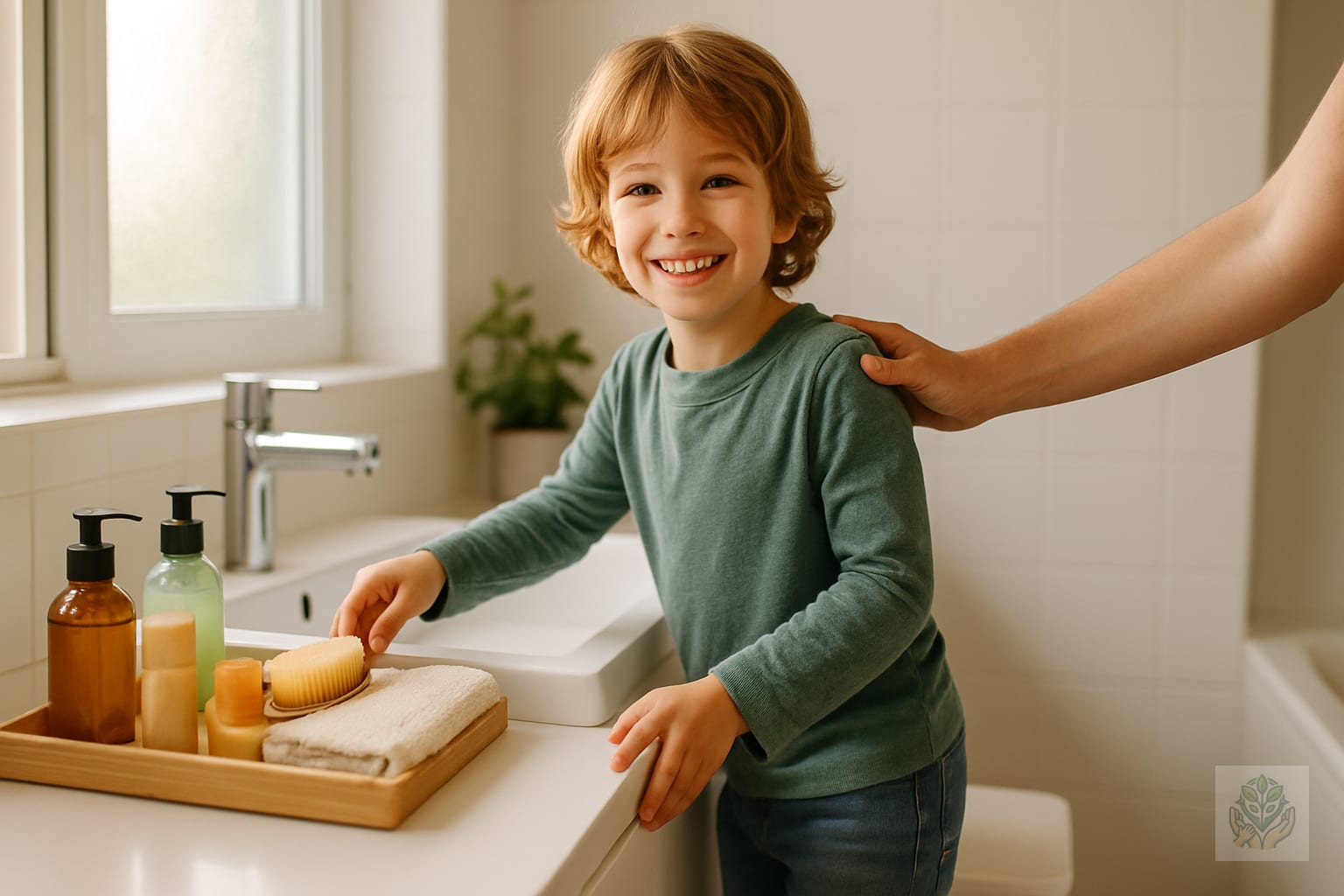
20 Healthy Hygiene Habits Every Child Should Learn: A Parent’s Guide
Parenting is a constant journey of teaching new skills, but few are as vital as personal care. Establishing healthy hygiene habits early on is about much more than keeping your child looking tidy; it is the foundation for long-term physical health and self-confidence. When children learn to take ownership of their bodies, they develop a sense of autonomy that serves them well into adulthood.
Starting these lessons while children are young makes the process much more natural. By turning complex tasks into manageable daily routines, you can help your child master these skills without unnecessary stress. In this guide, we will explore 20 essential hygiene habits that every child should learn, organized by category to make implementation easier for your family.
Why Hygiene Matters: More Than Just Being Clean
Hygiene is often associated simply with aesthetics, but its impact reaches far deeper. Proper healthy hygiene habits act as the first line of defense against the spread of illnesses in schools and childcare settings. When children wash their hands effectively and cover their coughs, they protect themselves and their peers from seasonal germs.
Beyond the biological benefits, hygiene is a pillar of independence. When a child learns to brush their own teeth or manage their own grooming, they experience a boost in self-esteem. They realize they are capable of caring for themselves, which fosters confidence. Furthermore, practicing good grooming helps children navigate social environments more comfortably, as peers often respond positively to those who demonstrate self-respect through their appearance.
The Essential 20 Hygiene Habits
To keep your focus sharp, we have categorized these 20 habits into logical groups. Breaking them down helps you introduce them gradually rather than overwhelming your child.
Category 1: Hand & Body Basics
- Washing hands after the bathroom: This is the golden rule of hygiene.
- Handwashing before every meal: Prevents the spread of bacteria from surfaces to food.
- Bathing or showering regularly: Developing a consistent frequency, especially as they get older.
- Using deodorant: A critical addition once a child reaches their pre-teen years.
- Changing socks and underwear daily: A simple step that prevents fungal infections and odors.
Category 2: Oral Care
- Brushing teeth twice a day: Morning and night is non-negotiable for dental health.
- Flossing once daily: Essential for removing debris between teeth where brushes cannot reach.
- Cleaning the tongue: A frequently missed step that significantly reduces bad breath.
- Replacing toothbrushes: Teaching children to recognize when bristles look worn.
Category 3: Grooming & Nails
- Trimming fingernails: Keeps germs from hiding under long nail beds.
- Brushing hair daily: Prevents tangles and promotes scalp health.
- Washing hair with shampoo: Learning how to scrub the scalp thoroughly.
- Clothing care: Teaching children to put dirty laundry in the hamper rather than on the floor.
Category 4: Bathroom Etiquette
- Proper wiping technique: Crucial for health and comfort.
- Flushing after every use: Maintaining a sanitary home environment.
- Closing the door: Introducing the concept of personal privacy as they grow.
- Washing hands after contact with pets: Often overlooked, but vital for kids who love animals.
Category 5: Germ Prevention
- Covering coughs and sneezes: Using the elbow or a tissue to prevent germ dispersal.
- Not sharing drinks or utensils: Reducing the risk of transmitting viruses.
- Handling tissues properly: Using them once and disposing of them immediately in the trash.
Age-Appropriate Milestones: Who Should Do What?
It is important to manage expectations based on your child’s developmental stage. For toddlers aged 3 to 5, hygiene is all about guided play. Use fun soaps and colorful towels to make the process enjoyable. At this age, you are mostly modeling the behavior and assisting them with the physical coordination required for tasks like brushing. You can also explore daily routines for kids by age to ensure your expectations are developmentally appropriate.
When children reach early elementary age (6 to 9), they should transition toward independent routines. Use a checklist to ensure they hit all their marks, but keep a watchful eye to verify that they are doing a thorough job. By the time they hit the pre-teen years (10 to 12), they should be managing their own hygiene independently. This is the time to introduce more advanced habits like antiperspirant use and a more structured skincare routine to prepare them for the physiological changes of puberty.
Practical Tips for Making Hygiene Fun
If your child views hygiene as a chore, they will likely resist it. Try using visual checklists or chore charts that allow them to earn stickers or small rewards for completing their morning and night routines. Gamification is incredibly powerful; for example, play a two-minute song on your phone to ensure they brush their teeth for the recommended duration. For more support, read our tips on how to teach children good hygiene habits effectively.
Positive reinforcement goes a long way. Instead of focusing on what they missed, praise them when they remember to wash their hands without being asked. When children feel proud of their independence, they are far more likely to stick with the routine long-term. Establishing these routines is much like learning how to help kids follow a morning schedule without the usual friction.
Common Challenges and How to Overcome Them
Even with the best plans, you may face the dreaded hygiene battle. If your child resists baths or brushing, start by identifying the root cause. Some children struggle with sensory issues, such as the texture of toothpaste or the sound of a hair dryer. If this is the case, look for flavorless or natural toothpaste options and experiment with different hair tools. If you find your child is also struggling with bedtime routines, you may want to look into how to help a child who fights bedtime for additional behavioral strategies.
If a child is simply being stubborn, have a calm, matter-of-fact conversation about why these habits matter. Avoid shaming them. Frame it as being a part of a growing-up process that keeps their body strong and healthy. Consistency is your greatest ally here; even on busy days, keeping the core routine intact helps cement these habits as permanent fixtures in their lives. You can also look for more advice on how parents can encourage independent hygiene habits as they grow older.
Conclusion
Building healthy hygiene habits is a marathon, not a sprint. By starting early, being consistent, and keeping the tone supportive rather than critical, you are giving your child the tools they need to stay healthy and confident. Remember, you are their best role model; when they see you prioritizing your own self-care, they will naturally follow suit. Keep up the great work, and remember that small, daily efforts lead to lifelong habits. As you continue your parenting journey, remember to focus on positive parenting habits to help nurture your child’s overall development.
Ready to get started? Click here to download our printable hygiene checklist to help your child master their daily routine today!
Frequently Asked Questions
What age should children start learning hygiene habits?
Children can start learning basic hygiene habits like handwashing and playful bath routines as toddlers aged 3 to 5, transitioning to independent routines by early elementary school.
How can I make tooth brushing fun for my child?
You can make brushing fun by playing a two-minute song to ensure they brush for the recommended duration, or by using colorful toothbrushes and flavored toothpaste they enjoy.
When should my child start using deodorant?
Children typically need to start using deodorant or antiperspirant when they reach their pre-teen years around ages 10 to 12, often coinciding with the onset of puberty.
Why are handwashing habits so important for kids?
Proper handwashing acts as the first line of defense against the spread of germs and illnesses in schools, protecting both your child and their peers.
How often should children change their clothes?
Children should change their socks and underwear daily to prevent fungal infections, unpleasant odors, and maintain proper hygiene.
What should I do if my child resists taking a bath?
Identify the root cause, as some children may struggle with sensory issues related to water or soap textures. Switch to gentle, natural products and keep the routine consistent.


