

25 Essential Safety Products for Baby and Toddler Rooms: The Ultimate Childproofing Guide
As parents, our primary goal is to create a nurturing environment where our children can thrive, learn, and grow. Designing the nursery is an exciting milestone, but as your baby begins to crawl, climb, and explore, that dream room needs to double as a secure sanctuary. Understanding the transition from a stationary infant to a curious toddler is key to staying one step ahead of potential hazards.
Comprehensive childproofing is not just a project to complete once; it is a vital parenting priority that evolves as your child develops. By integrating these 25 essential safety products for baby and toddler rooms into your home, you can provide the freedom your child needs to explore safely while gaining the peace of mind every caregiver deserves.
The Foundation: Furniture and Anchor Safety
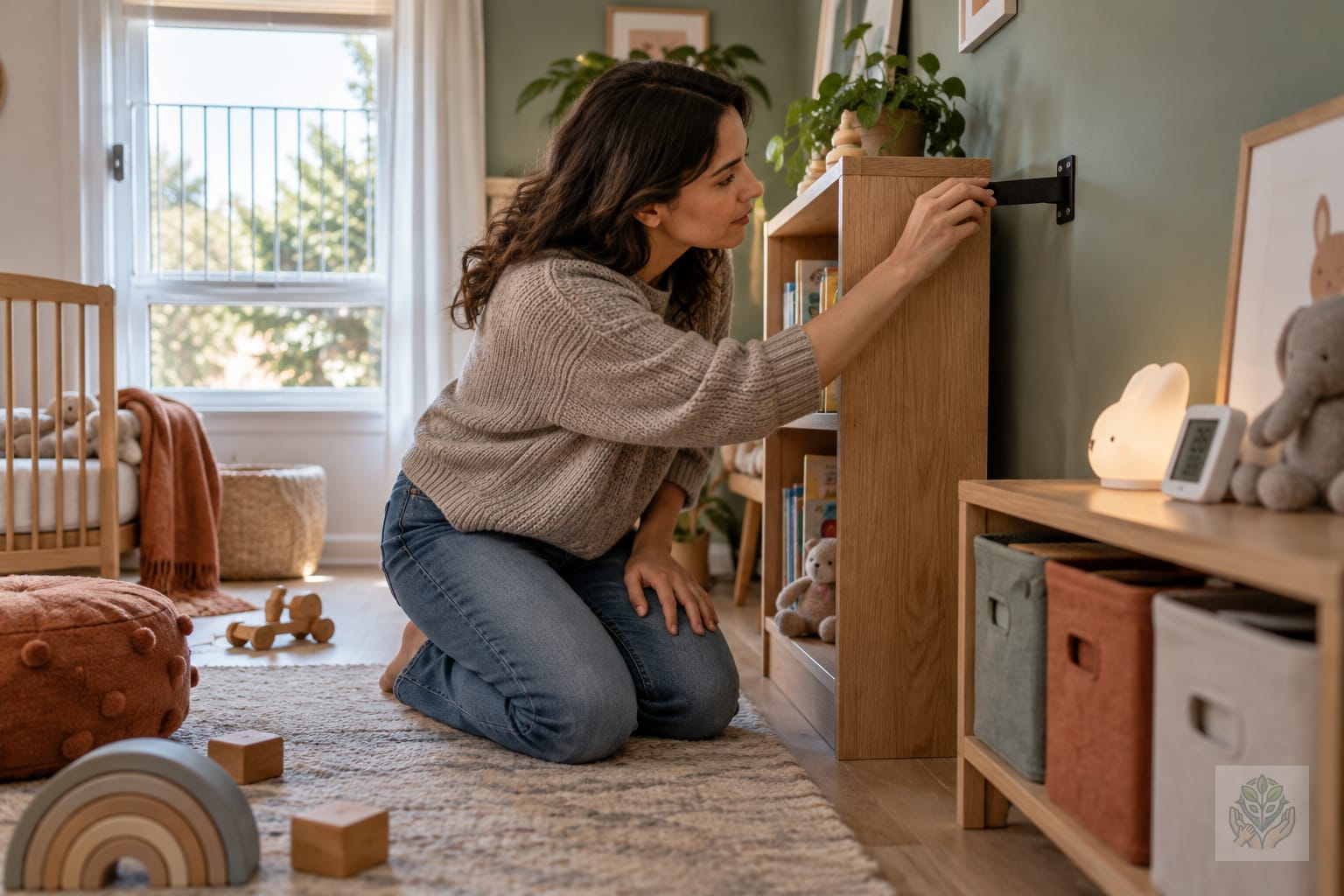
When children reach the mobility stage, they view furniture as climbing equipment. Heavy-duty furniture anchors are the most important investment you can make. Always secure dressers, bookshelves, and armoires to the wall using nylon straps or steel cables to prevent dangerous tip-overs. For more insights on securing your space, check out our guide on how to choose safe baby furniture for your home.
Beyond anchors, consider corner guards and edge bumpers for cribs, changing tables, and low-level nightstands. These soft, cushioned attachments protect little heads from painful bumps against sharp edges. Finally, use bookshelf stabilizers to ensure that even if a child attempts to pull on a shelf, the unit remains upright and stable.
Electrical and Cord Management Essentials
Curiosity often leads little fingers toward electrical outlets. Replace standard covers with sliding plug plates, which automatically close the outlet when a plug is removed, or use box-style outlet covers that hide the entire plug. These are far safer than plastic caps, which can pose a choking hazard.
Cord management is equally vital. Use cord shorteners and hidden cord management boxes to contain dangling lamp wires. Most importantly, install window blind cord cleats to wrap up long cords, eliminating the risk of strangulation. These small, inexpensive additions significantly improve the safety of your child’s room.
Window and Door Security
Windows should be beautiful but secure. Install window guards or restrictors that prevent the sash from opening more than four inches. For doors, install knob covers to prevent your toddler from wandering out of their room unattended. Hinge pinch guards are another unsung hero, as they prevent little fingers from getting crushed in the door gap.
For added protection, use door stoppers that prevent doors from slamming shut. By controlling the swing of the door, you protect your child from accidental finger injuries and ensure they do not become trapped in a closet or room during playtime.
Crib and Bedtime Safety
Sleep safety starts with the environment. Invest in a breathable crib mattress designed to allow for better airflow. Avoid traditional, thick bumper pads, which are a suffocation risk, and opt for mesh crib liners instead. These keep limbs inside the crib while maintaining proper ventilation. To learn more about setting up a secure sleeping space, read our crib safety essentials guide.
Modern technology can offer extra support, such as baby monitors with motion tracking that alert you to unusual activity. As your child grows, transition to bed rails during the toddler phase to prevent middle-of-the-night falls. These products create a secure environment where your child can rest peacefully.
Health and Air Quality Safety Products
The health of the room environment is just as important as physical safety. Smart air purifiers with HEPA filters help remove dust and allergens from the air, which is essential for developing lungs. A digital room thermometer and hygrometer will ensure the temperature and humidity levels remain optimal for sleep. You can also explore our guide on how to create a calm and comfortable sleep environment for kids for additional wellness tips.
Don’t overlook the flooring. Non-toxic rug pads provide an anti-slip surface that prevents heavy rugs from sliding when your toddler runs or jumps. Keeping the floor stable is a simple way to prevent slips, trips, and falls during active play.
General Room Hazard Prevention
Organizing a room is easier with toy organizers that feature soft-close lids; these prevent heavy tops from dropping suddenly on little fingers. Nightlights are essential, but choose cool-to-touch LEDs that do not pose a burn risk if handled by a child.
Safety gates are necessary if your child’s room leads to a hallway or stairwell. Additionally, consider baby-proof light switch extenders, which allow your child to reach the light switch safely, preventing them from trying to climb furniture just to reach the switch themselves.
The ‘Toddler-Proofing’ Evolution: What Changes?
As your baby turns into a toddler, the environment must change. You will likely replace nursery-specific items, like infant swings or changing pads, with toddler-safe alternatives like floor bookshelves and toddler-height toy bins. The focus shifts from passive protection—keeping them contained—to active hazard management, where you teach your child how to navigate their space safely. For creative ways to arrange these new items, take a look at our smart storage ideas for baby and toddler rooms.
Maintenance and Regular Safety Inspections
Safety is a journey, not a destination. Create a monthly safety check routine where you manually test every anchor, gate, and lock. Perform a floor-level audit by physically sitting on the floor to see what your child sees. From that vantage point, you might spot loose hardware, small items under the bed, or sharp corners you missed from your adult perspective.
Conclusion
Prioritizing the use of essential safety products for baby and toddler rooms allows you to create a space that is as stylish as it is secure. By systematically addressing potential hazards, you gain the confidence to let your child explore their world with curiosity and independence. Remember, you are your child’s first line of defense. Start your safety audit today, and don’t forget to download our printable safety checklist to keep your home in top shape.
Frequently Asked Questions
What are the most important safety products for a baby room?
Heavy-duty furniture anchors, sliding electrical outlet covers, window blind cord cleats, and window restrictors are among the most critical safety items.
When should I start childproofing my baby’s room?
It is best to complete major childproofing projects before your baby begins crawling and exploring, typically around six months of age.
Are plastic outlet caps safe to use?
Standard plastic plug caps can pose a choking hazard if removed. Sliding plug plates or box-style outlet covers are much safer alternatives.
How can I prevent furniture from tipping over?
Always secure dressers, bookshelves, and heavy armoires directly to the wall using heavy-duty furniture anchors like nylon straps or steel cables.
What is a floor-level safety audit?
A floor-level audit involves sitting physically on the child’s room floor to spot potential hazards, loose hardware, and sharp corners from a child’s perspective.
How often should I inspect childproofing products?
You should create a monthly safety check routine to manually test every anchor, safety gate, and lock to ensure they remain secure.


