


Everything You Need to Know About Indoor Toddler Activities: The Ultimate Guide for Stuck-At-Home Days
We have all been there. It is raining outside, the thermometer is reading below freezing, or your little one is recovering from a bug, and you are staring down twelve long hours indoors. The struggle of keeping an energetic toddler entertained inside a house can feel like an Olympic sport. You cycle through every toy in the bin by 9:00 AM, and the walls begin to feel like they are closing in. However, cabin fever does not have to win. Thoughtfully planned indoor toddler activities can transform a chaotic day into a memorable bonding experience.
As parents, navigating stuck-at-home days requires a mix of patience, creativity, and the right toolkit. When approached with intentionality, indoor play is not just a way to kill time. It is a vital component of early childhood development. In this comprehensive guide, we will explore why indoor play matters, dive into four distinct categories of engaging activities, and share sanity-saving pro tips to keep your household running smoothly.
Why Indoor Activities Matter for Toddler Development
Indoor play is much more than a distraction technique. It is the primary vehicle through which young children make sense of their world. When outdoor adventures are off the table, indoor play steps in to support crucial developmental milestones.
First, imaginative indoor play fosters creativity and problem-solving skills. Without the built-in structures of playground equipment, toddlers must use their imaginations to turn a simple cardboard box into a pirate ship or a pile of pillows into a mountain range. This type of open-ended play builds neural pathways essential for cognitive growth.
Second, active indoor games help develop both fine and gross motor skills even within a confined space. Whether your child is balancing along a piece of tape on the living room floor or carefully peeling stickers off a sheet, they are refining physical coordination and muscle strength. Finally, structured activities act as a powerful antidote to boredom-induced meltdowns and tantrums. When toddlers have a clear, engaging focus, their emotional regulation improves dramatically.
Category 1: High-Energy Burners (Get Moving!)
When your toddler is bouncing off the walls, you need to channel that physical energy somewhere productive. High-energy burners are essential for rainy days when outdoor running is impossible.
- Indoor obstacle courses: Use couch cushions, pillows, and sturdy chairs to create a safe circuit where toddlers can crawl under, climb over, and jump across obstacles.
- Painter’s tape games: Lay down strips of colorful painter’s tape on the carpet to create a makeshift balance beam, a hopscotch grid, or giant zig-zags they have to jump over without touching the floor.
- Dance parties and musical statues: Turn up your toddler’s favorite upbeat tunes, dance together to burn off steam, and periodically hit pause to practice freezing in silly poses.
- Balloon tennis and feather blow: Blow up a lightweight balloon and let your toddler use paper plates taped to craft sticks as tennis rackets. Alternatively, have them blow a feather across the table using just their breath to work on oral motor skills.
Category 2: Low-Prep Sensory Play
Sensory play is wonderful for calming an overactive mind and encouraging deep focus. The best part? You do not need expensive specialized toys to make magic happen.
Water play in the kitchen sink or bathtub provides instant engagement. Give your toddler plastic cups, funnels, and strainers, and let them pour and splash while you fold laundry nearby. For DIY sensory bins, fill a shallow storage container with dry rice, uncooked pasta, or water beads, and toss in measuring spoons and small animal figurines for endless tactile exploration.
You can also whip up quick batches of oobleck or cloud dough using kitchen staples like cornstarch, water, and conditioner. If you are short on time, freeze small plastic toys inside an ice cube tray with water, and give your toddler a bowl of warm water and a medicine dropper to play ice cube rescue.
Category 3: Quiet Time & Independent Play Ideas
Every parent needs a breather, and encouraging independent play is a gift to both you and your child. Quiet time helps prevent sensory overload and teaches toddlers how to entertain themselves.
Box cities are a fantastic way to repurpose shipping containers. Grab a few large appliance or diaper boxes, hand your toddler some washable paints or markers, and let them decorate and play inside their own private clubhouse. Sticker sorting and peeling activities are also brilliant for fine motor control; challenge your child to place all the star stickers on one piece of paper and circles on another.
Simple puzzles, shape sorters, and sorting colored objects into matching bowls keep little hands busy. When energy dips later in the afternoon, set up a cozy listening corner with plush pillows, a basket of picture books, and kid-friendly audiobooks for gentle wind-down time.
Category 4: Educational & Montessori-Inspired Activities
Learning and play go hand in hand during the toddler years. Montessori-inspired activities focus on independence and real-world competence.
Color matching is easy to set up using everyday household items. Gather colored blocks, toys, or socks, and have your toddler sort them onto matching construction paper sheets. You can practice counting using everyday objects like wooden blocks, cereal O’s, or buttons.
Practical life skills are another cornerstone of toddler learning. Invite your toddler to help match clean socks from the laundry basket, wipe down low tables with a damp sponge, or practice pouring water from a small pitcher into cups. These activities give toddlers a wonderful sense of pride and contribution.
Pro Tips for Managing Indoor Days Without Losing Your Mind
Surviving consecutive days indoors is as much about parental mindset as it is about the activities themselves. Use these expert strategies to keep your sanity intact.
Toy rotation is your best friend. Instead of leaving every toy out at once, pack half of them away in closets and rotate them every two weeks. When old toys reappear, they feel brand new and capture your toddler’s attention for much longer.
Set up safe yes spaces in your home where your toddler can explore freely without you having to say no every thirty seconds. Balance screen time purposefully with active play, and do a little low-prep planning the night before so you are not scrambling for ideas when morning arrives.
Recommended Amazon Products
As an Amazon Associate, NurtureBharat earns from qualifying purchases.

Zaslan Montessori Busy Book | Toddler Busy Book for 2-5 Yrs | Activity Binder| Quiet Book| Educational Toys For 3 Year Old| Kids Learning Books 2-3 Years| Books For 2 Yrs Old | Kids Gifts
₹429.00
₹699.00
— Save 39%
In stock

SHINETOY Montessori Busy Board for Toddlers | 8-Page Sensory Activity Book | Fine Motor Skills, Clock, Shapes, Numbers, Alphabet & Life Skills | Dinosaur Theme Travel Learning Toy for Kids 3–6
₹798.99
₹1,499.00
— Save 47%
In stock
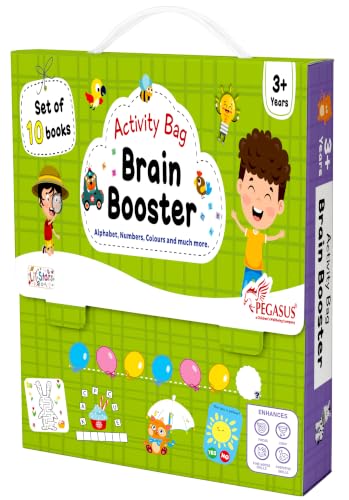
Brain Booster Activity Bag for Kids & Children |Set of 10 Books| Dot to Dot,Look & Find,How Many,Mazes,Difference,Reasoning,Sort,Word Search,Jumble
₹299.00
₹449.00
— Save 33%
In stock
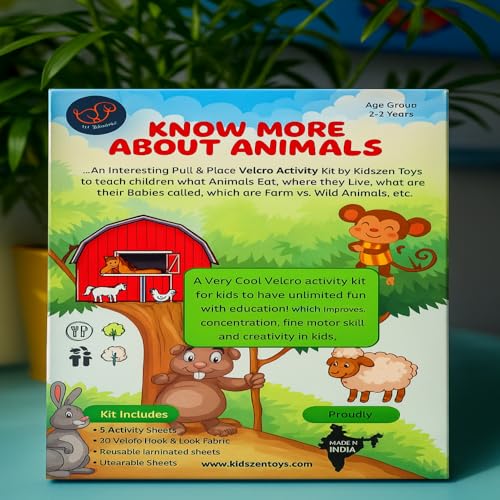
Kidszen Know More About Animal for Kids (age2+), Learn About Animals Through Velcro Activity, Activities for Toddlers & preschoolers, Good for Return Gifts, Birthday Gifts for Age 2 3 4 Years
₹299.00
In stock
Conclusion
Stuck-at-home days with a toddler can feel daunting, but they also offer a unique opportunity to slow down and connect. Remember that your toddler does not need Pinterest-worthy setups or constant entertainment. They simply want your presence, laughter, and warmth. Embrace the mess, let go of perfection, and enjoy the cozy moments indoors.
What is your go-to strategy for keeping your little one busy when you are stuck inside? Share your favorite indoor toddler activity in the comments below!
Frequently Asked Questions
What are some good indoor activities for active toddlers?
High-energy burners like indoor obstacle courses, painter’s tape balance beams, and toddler dance parties are fantastic for burning off physical steam.
How can I keep my toddler busy indoors without expensive toys?
You can use household items for low-prep sensory play, such as water play in the sink, DIY rice bins, or giving them large cardboard boxes to decorate.
Why is indoor play important for toddlers?
Indoor play fosters creativity, problem-solving, and emotional regulation while developing both fine and gross motor skills in a safe environment.
How do I encourage independent play during indoor days?
Set up a cozy reading corner, offer sticker peeling activities, or let them build and paint inside a large cardboard box clubhouse.
What are Montessori-inspired indoor activities for toddlers?
Montessori-inspired activities focus on practical life skills, such as matching socks from the laundry, pouring water, and color-sorting everyday objects.
How can I prevent toddler boredom on rainy days?
Try toy rotation by hiding half of your toys and bringing them out every two weeks, and plan a mix of high-energy, sensory, and quiet time activities.


