

Everything You Need to Know About DIY Crafts for Kids: The Ultimate Guide
Unleash Their Imagination: Why DIY Crafts for Kids Matter
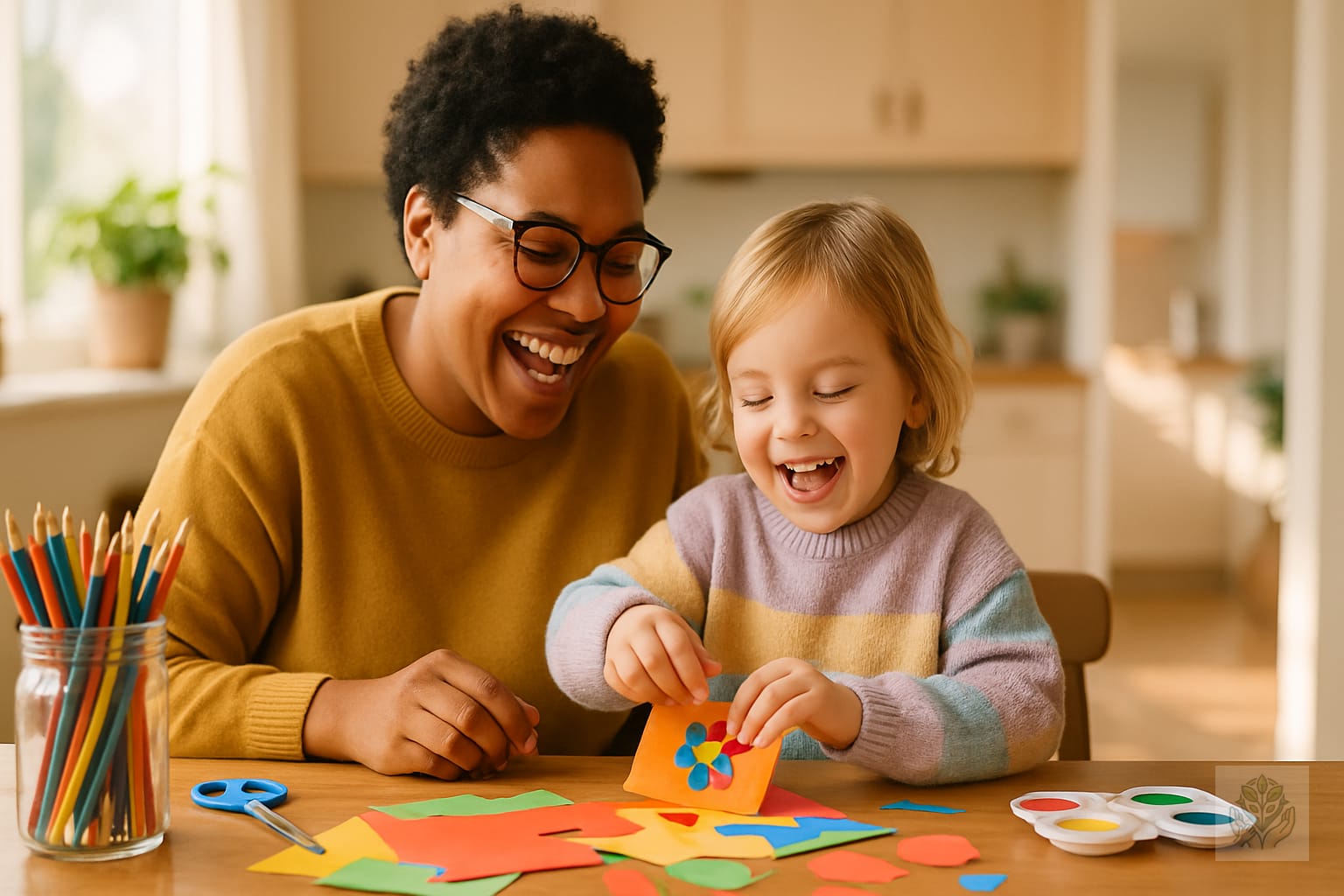
Picture this: your kitchen table is covered in a vibrant patchwork of construction paper scraps, rogue glitter is somehow clinging to the ceiling, and your toddler is proudly presenting you with a paper plate masterpiece covered in googly eyes. It is wonderfully chaotic, deeply messy, and entirely magical. Welcome to the wonderful world of kids crafting at home.
In a digital age dominated by screens and glowing tablets, finding hands-on ways to keep our children engaged can feel like a daily challenge. That is where creative hands-on projects come in. Whether you are looking for a rainy day distraction or a long-term hobby, incorporating DIY crafts for kids into your weekly routine offers an incredible outlet for self-expression.
This ultimate guide covers everything you need to know to make crafting fun, educational, and relatively stress-free. Crafting fosters creativity, builds essential developmental skills, and creates lasting memories that your family will cherish for years to come.
The Surprising Developmental Benefits of DIY Crafts for Kids
It is easy to view arts and crafts as merely a way to pass a rainy afternoon, but these activities are actually powerhouse engines for early childhood development. When children pick up a paintbrush, mold clay, or snip with safety scissors, they are building vital neural pathways.
First, crafting is a masterclass in fine motor skills and hand-eye coordination. Manipulating small objects, squeezing glue bottles, and threading beads strengthens the tiny muscles in children’s hands and fingers, which later translates to better handwriting and self-care skills like tying shoes.
Second, cognitive growth and problem-solving soar during art projects. Children learn spatial awareness, experiment with color mixing, and figure out structural balance when their cardboard tower starts to wobble. If a piece of tape fails, they have to adapt and find a new solution.
Third, emotional expression thrives through creative work. Children who may not yet have the vocabulary to express complex feelings can process emotions through colors, shapes, and textures. Successfully completing a project gives their self-esteem an organic, well-earned boost.
Finally, engaging in DIY crafts for kids provides quality bonding time for parents and children. Sitting side-by-side at a table opens the door for natural conversations away from the distractions of everyday life.
Best DIY Crafts for Kids by Age Group
Every child develops at their own pace, and what captivates a three-year-old might completely bore a nine-year-old. Tailoring your activities to their developmental stage ensures frustration-free fun.
Toddlers (Ages 1 to 3)
At this stage, sensory play reigns supreme. Focus on the sensory experience of creating rather than making a finished product. Great ideas include finger painting with taste-safe paints, large-piece contact paper sticky collages, and squishing soft dough.
Preschoolers (Ages 4 to 5)
Preschoolers love imaginative play and are gaining better control over their hands. Introduce simple cutting practice with safety scissors, paper plate animals, and classic playdough sculpting as part of your regular preschool activities complete with rolling pins and cookie cutters.
Early Elementary (Ages 6 to 8)
Children in this age bracket possess greater attention spans and enjoy making wearable art or functional items. Try making colorful friendship bracelets, elaborate cardboard box hideouts, and simple hand-sewing projects using felt and yarn.
Tweens (Ages 9 and Up)
Older kids crave independence and personalization for their living spaces. Encourage room decor projects, custom resin art, complex model building, and trendy upcycling of old clothing items.
Essential Supplies and How to Keep Craft Time Organized
You do not need to empty your wallet at a specialty hobby store to provide enriching creative experiences. A well-stocked starter toolkit, much like choosing the best educational toys, goes a long way. Essential items include child-safe scissors, washable school glue, glue sticks, assorted construction paper, pipe cleaners, googly eyes, and water-based markers.
One of the best ways to save money and help the planet is by embracing eco-friendly and budget-friendly recycled materials. Save toilet paper rolls, paper towel tubes, egg cartons, shoe boxes, and delivery boxes. These everyday items easily transform into rockets, castles, and animal masks.
To maintain your sanity, setting up a mess-free craft station at home is crucial. Designate a specific low-traffic area for projects, use plastic storage bins with clear labels for easy organization, and always keep a plastic tablecloth or cheap shower curtain on hand to lay down before the fun begins.
5 Easy DIY Crafts for Kids to Try Today
If you are ready to dive in right now, here are five simple, engaging projects that require minimal prep work and use items you likely already have around the house.
- Cardboard Castle: Gather old delivery boxes, tape them together into a fortress, and let your kids paint flags, draw drawbridges, and use markers to design their own royal play space.
- Nature Suncatchers: Take a walk outside to collect fallen leaves, flower petals, and interesting grasses. Press them between two sheets of clear contact paper and hang them in a sunny window.
- Painted Rock Monsters: Hunt for smooth stones in the yard or local park. Wash them off and use acrylic paint to transform them into quirky little rock monsters with funny faces.
- Paper Bag Puppets: Grab standard brown lunch bags and encourage your children to glue on paper cutouts, yarn hair, and buttons to create characters for an evening puppet show.
- Salt Dough Handprint Keepsakes: Mix flour, salt, and water to create a simple dough. Press your child’s hand into the mixture, bake it low and slow, and paint it to create a timeless family memory.
How to Handle Craft Messes and Short Attention Spans
Let us be honest: the thought of glitter on the hardwood floors is enough to make any parent hesitate. However, you can manage the chaos by leaning into a few practical strategies. Always use drop cloths, dress your kids in old oversized t-shirts as smocks, and strictly purchase washable art supplies.
What should you do when your child loses interest halfway through? Simply let it go. Remember that for young children, the joy is entirely in the process of making, not in the final product. If they want to abandon their painting after two minutes to go play with blocks, let them transition naturally.
Finally, balance independent crafting with guided parental involvement. Sometimes kids want you right beside them cutting and gluing, while other times they prefer to direct their own creative ship. Pay attention to their cues and let them take the lead. Incorporating positive parenting habits can help you stay patient during the messier moments.
Start Your Crafting Journey Today
Engaging in DIY crafts for kids does not require you to be an artistic Pinterest expert. It simply requires a willingness to embrace a little mess, a handful of basic supplies, and an open heart. By focusing on the joyful process rather than a flawless final product, you foster genuine creativity and confidence in your children.
Gather your supplies, clear off that kitchen table, and dive into your first project today. Share your favorite kids’ crafts in the comments below or subscribe to our newsletter for weekly project ideas delivered straight to your inbox!
Recommended Amazon Products
As an Amazon Associate, NurtureBharat earns from qualifying purchases.

Batasha Staples Arts & Crafts Activity Kit for Kids Ages 5-12 Years – 225+ Pieces DIY Craft Supplies Box with Paints, Beads, Feathers, Stickers, Pipe Cleaners & Decorative Accessories, School Project Materials, Creative Learning Toy for Boys & Girls (Assorted)
₹449.00
₹999.00
— Save 55%
In stock

DIY Cardboard Crafts Handbook for Kids: Everything You Need to Know About Cutting, Folding, Gluing, Painting, Decorating, and Creating Fun Toys, Animals, … and Decorations from Recycled Cardboard
₹599.00
Available for download now
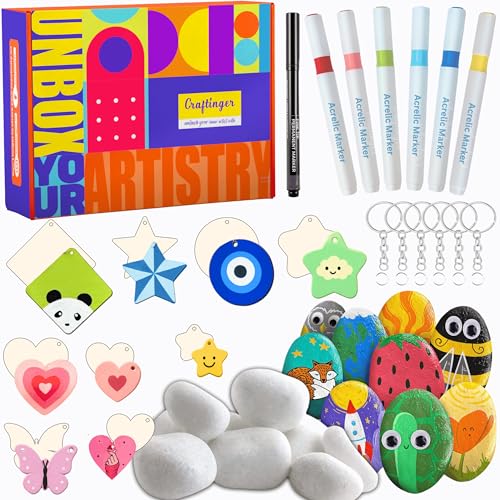
Craftinger DIY Rock Painting Kit for Kids & Adults | Pebble Stone Painting & Wooden Keychain Charm Making Kit with 6 Acrylic Markers, Black Marker, Keychain Rings & Premium White Pebbles | Art & Craft Birthday Return Gift Stone Art & Craft Activity Kit
₹399.00
₹899.00
— Save 56%
In stock
Frequently Asked Questions
What are the benefits of DIY crafts for kids?
Crafting helps children develop fine motor skills, hand-eye coordination, cognitive problem-solving abilities, and emotional expression while boosting self-esteem through creative play.
How can I keep craft time organized at home?
Designate a specific craft area, use labeled plastic storage bins for supplies, and lay down a plastic tablecloth or drop cloth to make cleanup quick and easy.
What are some easy DIY crafts for toddlers?
Toddlers enjoy sensory-focused activities such as finger painting with taste-safe paints, large-piece contact paper sticky collages, and squishing soft dough.
How do I handle the mess during art and craft projects?
Always purchase washable art supplies, dress kids in old oversized t-shirts as smocks, use drop cloths, and embrace practical strategies to manage glitter and glue.
What essential supplies do I need for kids crafting?
A basic starter toolkit includes child-safe scissors, washable school glue, glue sticks, construction paper, pipe cleaners, googly eyes, and water-based markers.
What should I do if my child loses interest halfway through a craft?
Let it go and allow them to transition naturally. Remember that for young kids, the joy is in the creative process rather than the final product.


