

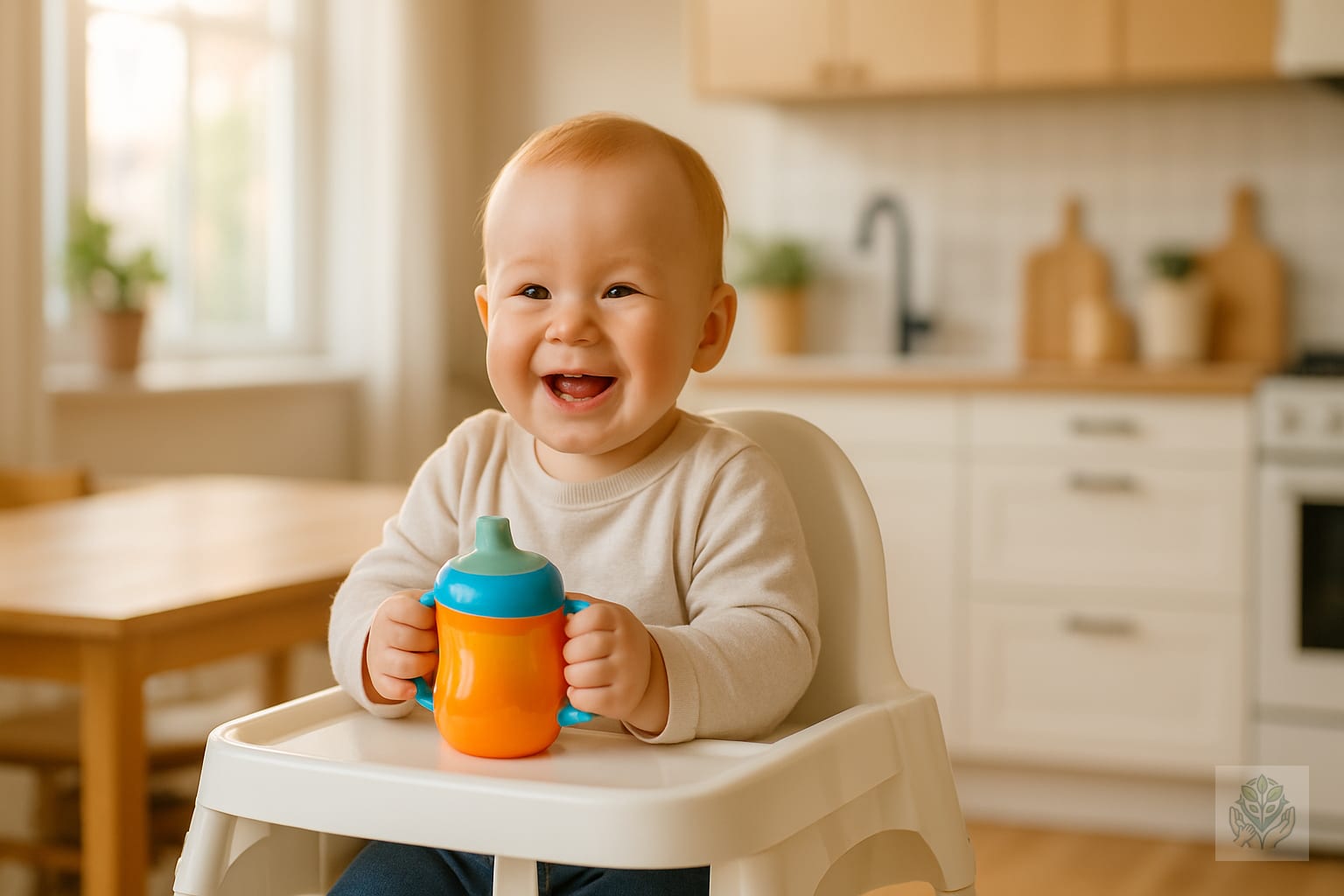
Best Sippy Cups for Babies Learning to Drink: The Ultimate 2024 Guide
Introduction: Navigating the Sippy Cup Transition
Introducing your baby to their very first cup is a major milestone in their early development. Around six months of age, as you begin your weaning journey and introduce solid foods, your little one will also need to learn how to stay hydrated outside of breastmilk or formula. Finding the best sippy cup can dramatically ease this transition, supporting proper dental health, developing crucial oral motor skills, and cutting down on mealtime messes and parental frustration.
With hundreds of options flooding store shelves, choosing the right container feels overwhelming. Every baby has unique preferences, and what works wonders for one infant might just become a chew toy for another. This comprehensive guide covers everything you need to know about baby cup stages, top-rated products on the market, and expert tips from pediatric specialists to help your family succeed.
When and How to Start: Choosing the Right Cup for Your Baby’s Age
The journey from bottle to independent drinking happens in distinct phases. Understanding these stages helps you select the appropriate tool at the right time, fostering natural motor skill development without unnecessary frustration.
Stage 1: Training Cups and Open Cups
Pediatric feeding experts and speech-language pathologists (SLPs) often recommend introducing an open cup or a very basic training cup as early as six months. While your baby will spill almost everything initially, open-cup practice teaches them how to sip rather than suck. Tiny silicone cups designed for tiny hands allow babies to practice dipping their lips and managing liquid flow with your gentle support.
Stage 2: Weighted Straw Cups
Weighted straw cups are an absolute game-changer for babies learning to drink. Unlike traditional bottles, a weighted straw allows your baby to drink from any angle—even completely upside down. This encourages an intuitive sipping motion, supports oral motor development, and protects developing jaw and teeth alignment far better than hard-spout alternatives.
Stage 3: Spouted Sippy Cups
Spouted cups are the traditional transition choice for many families. They feature a firm or soft mouthpiece that mimics a bottle nipple while requiring a slightly different suction technique. While convenient and widely available, many modern feeding specialists suggest using soft spouts sparingly or skipping straight to straws and 360-degree designs.
Stage 4: 360-Degree Cups
The 360-degree cup encourages big-kid drinking without the messy puddles. These clever cups feature a valve-sealed lid that only releases liquid when your child presses their lips against the rim and sucks. It mimics the mechanics of drinking from a regular open cup while remaining completely leak-proof when dropped or tossed from a high chair.
At a Glance: The Best Sippy Cups for Babies Learning to Drink in 2024
To help you compare your options quickly, we have evaluated the top-performing cups based on leak-proof ratings, ease of cleaning, and safety materials like BPA-free plastics and food-grade silicone.
| Category | Product Name | Best Feature | Material |
|---|---|---|---|
| Best Weighted Straw | Munchkin Tip & Sip | Any-angle drinking | BPA-Free Plastic |
| Best 360-Degree Cup | Munchkin Miracle 360 | Dentist-approved rim | Plastic & Silicone |
| Best Starter Cup | Dr. Brown’s Milestones | Removable handles | Silicone Spout |
| Best Stainless Steel | Pura Kiki Infant Bottle | Ultimate durability | Pro-Grade Steel |
| Best Spill-Proof Straw | Philips Avent My Bendy | Angled lower straw | Plastic & Silicone |
| Best Open Trainer | EZPZ Tiny Cup | SLP recommended | 100% Silicone |
The 6 Best Sippy Cups for Transitioning Babies Reviewed
We have tested and researched the top contenders to bring you our honest reviews of the absolute best sippy cups for babies learning to drink this year.
1. Best Weighted Straw Cup: Munchkin Tip & Sip
The Munchkin Tip & Sip is a beloved staple in many households. The weighted ball at the end of the straw follows the liquid wherever the cup tilts, ensuring your baby gets a drink whether they are sitting upright or lying down on the play mat.
Pros: Excellent for teaching straw-drinking mechanics, ergonomic handles, completely leak-proof when closed properly.
Cons: The straw requires a dedicated cleaning brush and can be tedious to wash thoroughly.
Why we love it: It bridges the gap between bottle feeding and independent straw drinking seamlessly.
2. Best 360-Degree Cup: Munchkin Miracle 360
Recommended widely by pediatric dentists, the Munchkin Miracle 360 supports natural muscle development in the mouth because children drink from the edge just like an adult cup.
Pros: Zero complex valves or spouts to trap mold, easy to assemble, dentist-recommended.
Cons: If dropped hard on a hard floor, the silicone valve can occasionally pop loose and cause a small splash.
Why we love it: It drastically reduces clean-up time while promoting proper oral posture.
3. Best Starter Cup with Handles: Dr. Brown’s Milestones Sippy Cup
Dr. Brown’s is a trusted name in infant feeding, and their Milestones straw and sippy cup line features ultra-soft silicone spouts that are gentle on tender gums.
Pros: Soft spouts that mimic familiar textures, easy-grip removable handles, great transition piece.
Cons: Some babies chew right through the soft silicone spouts over time.
Why we love it: The transition handles give babies a secure grip while they build confidence.
4. Best Stainless Steel Option: Pura Kiki Stainless Steel Bottle
If you want to avoid plastic entirely, the Pura Kiki system is a phenomenal lifetime investment. It transitions effortlessly from a newborn nipple bottle to a straw cup and sippy cup simply by changing the silicone top attachment.
Pros: 100% plastic-free, highly durable, keeps water cool longer.
Cons: Heavier than plastic alternatives for very young babies; higher initial price point.
Why we love it: Unmatched safety, longevity, and environmental sustainability.
5. Best Spill-Proof Spout: Philips Avent My Bendy Straw Cup
The Philips Avent My Bendy straw cup features an integrated anti-leak valve and a uniquely bent lower straw that allows kids to drink comfortably to the very last drop without tipping their heads back too far.
Pros: Ergonomic contoured shape, fewer parts to clean, reliable leak protection.
Cons: The straw components can be tricky to reassemble after sterilization.
Why we love it: Thoughtful design features make independent drinking much easier for toddlers.
6. Best Open Cup Trainer: EZPZ Tiny Cup
Designed by a speech-language pathologist, the EZPZ Tiny Cup is made from soft, flexible silicone sized specifically for infant mouths and hands.
Pros: Weighted base prevents tipping, sensory bumps activate lip closure, safe for warm and cold liquids.
Cons: Not spill-proof; expect water to end up on the high chair tray.
Why we love it: It is the ultimate tool for teaching correct open-cup swallowing patterns from day one.
What to Look for When Buying a Sippy Cup for a Beginner
Choosing the best sippy cup requires balancing your baby’s developmental stage with your own tolerance for cleaning and leaks. Keep these essential factors in mind while shopping:
Material Safety
Ensure any cup you purchase is explicitly labeled BPA-free, BPS-free, and phthalate-free. Food-grade silicone and stainless steel are fantastic, highly durable alternatives to traditional plastics that do not leach chemicals over time.
Ease of Cleaning
Hidden mold is every parent’s nightmare when it comes to baby cups. Look for designs with minimal crevices, removable valves, and dishwasher-safe components. If a cup requires five tiny brushes to clean, you will likely dread using it.
Ergonomics and Weight
Tiny hands need lightweight cups with easy-to-grasp handles, textured grips, or contoured bodies. Heavy stainless steel cups work wonderfully once your toddler has mastered coordination, but lightweight plastic or silicone options are usually better for six-month-old beginners.
Flow Rate and Leak-Proof Technology
A good beginner cup should release liquid with gentle suction or tipping without requiring your baby to strain. Look for reliable anti-colic or anti-leak valves that prevent water from pooling everywhere every time the cup gets dropped.
Tips from Pediatric Feeding Experts: How to Teach Your Baby to Use a Cup
Introducing a new drinking method takes patience, consistency, and plenty of encouragement. Pediatric feeding specialists offer these valuable strategies to make the transition smooth:
- Start with just one to two ounces of water during mealtimes to avoid overwhelming your baby.
- Model drinking behavior by letting your baby watch you sip water from a cup enthusiastically.
- Expect your baby to chew on the spouts or straws initially—this tactile exploration is a normal part of learning.
- Embrace the mess! Spills are a guaranteed part of the learning process, so waterproof bibs and splash mats are your best friends.
- Consider skipping hard plastic spouts altogether, as many speech-language pathologists note they can encourage tongue-thrusting patterns similar to bottle nipples.
Frequently Asked Questions (FAQs)
Should I start with a straw cup or a traditional sippy cup?
Many pediatric feeding experts and speech-language pathologists recommend starting with an open cup or a weighted straw cup rather than a traditional spouted sippy cup. Straw cups encourage proper lip seal and tongue retraction, supporting optimal speech and oral motor development.
When should babies completely drop the bottle?
Pediatricians generally recommend transitioning away from bottles entirely between 12 and 18 months of age. Prolonged bottle use past 18 months can increase the risk of tooth decay and interfere with speech development.
How do I prevent mold in my baby’s sippy cup valves?
To prevent mold, disassemble all valves, straws, and silicone gaskets immediately after every use. Wash them thoroughly in hot, soapy water using specialized small brushes, and ensure every component is 100% dry before reassembling and storing.
Finding the right cup for your little one is a journey of trial and error. Whether your baby falls in love with a weighted straw cup or masters the 360-degree design, patience and positive encouragement will lead the way. Celebrate the small victories, keep cleaning simple, and enjoy this exciting milestone in your baby’s growth!
Frequently Asked Questions
Should I start with a straw cup or a traditional sippy cup?
Many pediatric feeding experts recommend starting with an open cup or a weighted straw cup rather than a traditional spouted sippy cup. Straw cups encourage proper lip seal and support optimal oral motor development.
When should babies completely drop the bottle?
Pediatricians generally recommend transitioning away from bottles entirely between 12 and 18 months of age to prevent tooth decay and speech interference.
How do I prevent mold in my baby’s sippy cup valves?
Disassemble all valves, straws, and gaskets immediately after every use. Wash them thoroughly in hot, soapy water and ensure every component is completely dry before reassembling.
At what age can I introduce a sippy cup to my baby?
You can introduce training cups or tiny open cups around 6 months of age when your baby starts eating solid foods and needs extra hydration.
Are stainless steel sippy cups safe for babies?
Yes, high-grade stainless steel cups are extremely safe, durable, and free of harmful chemicals like BPA, BPS, and phthalates.
Why do speech therapists dislike traditional hard spouts?
Traditional hard spouts can encourage tongue-thrusting patterns similar to bottle nipples, whereas straw and open cups promote mature swallowing mechanics.


