

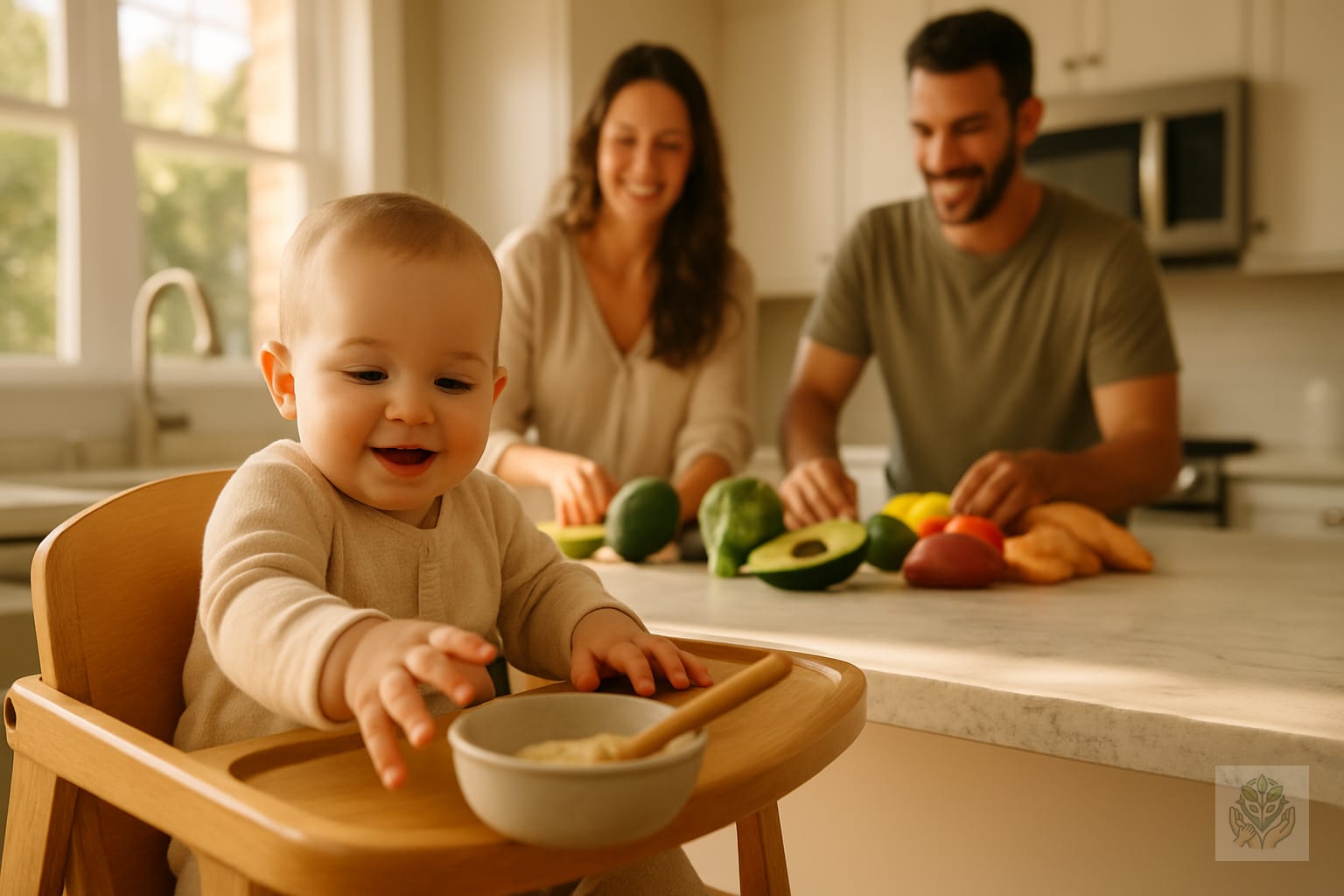
Baby Meal Planning From Six to Twelve Months: The Ultimate Guide for Busy Parents
Welcome to one of the most exciting, messy, and rewarding milestones of your parenting journey! Transitioning your little one from an exclusive milk diet to solid foods opens up a whole new world of flavors, textures, and sensory experiences. However, if you are a busy parent juggling work, household chores, and childcare, the thought of baby meal planning can feel completely overwhelming. You might wonder what to feed them, how often to feed them, and how to fit it all into your hectic daily routine.
Take a deep breath. You do not need to be a Michelin-starred chef to raise an adventurous, healthy eater. With a little bit of organization, batch cooking, and realistic expectations, baby meal planning can become a seamless part of your family life. This comprehensive guide will walk you through nutritional milestones, stage-by-stage meal plans, safety guidelines, and practical prep hacks designed specifically for busy parents.
Why Baby Meal Planning Matters at 6 to 12 Months
Between six and twelve months of age, your baby undergoes the most rapid physical and cognitive development of their early life. Their nutritional needs shift dramatically, and breastmilk or formula alone is no longer enough to support their growing body and brain. Thoughtful baby meal planning ensures that your little one receives adequate iron, zinc, and other essential nutrients during this critical window of development.
Planning ahead also saves you precious time and mental energy during the week. Instead of staring blankly into the refrigerator at 5:30 PM wondering what mashed vegetable to throw together, a solid plan gives you direction. It reduces food waste, keeps your grocery budget in check, and helps you introduce a wide variety of wholesome foods before your baby develops natural food preferences and selectivity.
Signs Your Baby Is Ready for Solid Foods
Before diving into baby meal planning, it is crucial to ensure your baby is developmentally ready for solids. Most pediatric health organizations recommend starting solids around six months of age. Look for these key developmental signs:
- Your baby can sit up independently with little to no support.
- They have lost the tongue-thrust reflex, which automatically pushes foreign objects out of their mouth.
- They show a strong interest in what you are eating, often reaching for your food or watching every bite you take.
- They have good head and neck control.
Understanding the Nutritional Needs: 6 to 12 Months
Navigating infant nutrition can feel like learning a brand-new language. As you embark on your baby meal planning journey, keeping a few foundational nutritional rules in mind will give you total peace of mind.
Milk Still Comes First: Breastmilk and Formula Guidelines
An important rule of thumb for the first year of life is that food before one is just for fun. This catchy phrase reminds us that breastmilk or infant formula remains the primary source of nutrition and calories throughout the entire first year. Solid foods are meant to complement milk feedings, not replace them. Always offer milk feeds before solids during the early months so your baby does not get too full to nurse or take a bottle.
Key Nutrients to Focus On: Iron, Zinc, and Healthy Fats
When you start baby meal planning, your main nutritional focus should be on iron-rich foods. Full-term infants are born with a store of iron inherited from pregnancy, but these stores deplete significantly around six months of age. Breastmilk is naturally low in iron, making it essential to introduce iron-dense foods like pureed meats, mashed beans, iron-fortified cereals, and lentils early on. Zinc and healthy fats, such as avocado and full-fat yogurt, are equally important for brain development and immune support.
Phase 1: The 6-Month-Old Meal Plan (Getting Started)
At six months old, your baby is just dipping their toes into the culinary pool. The goal during this first month is not volume; it is exploration, learning how to swallow, and getting used to new textures and spoon mechanics.
Purees vs. Baby-Led Weaning (BLW): Choosing Your Path
Parents often stress over choosing between traditional purees and baby-led weaning. Traditional purees involve feeding smooth, spoon-fed foods before gradually moving to chunky textures. Baby-led weaning skips purees entirely, allowing the baby to self-feed soft, graspable pieces of table food right from the start. The best approach? Whichever works best for your family. Many parents choose a combined approach, offering smooth purees alongside soft, safe finger foods.
Sample 1-Week Schedule for a 6-Month-Old
During the first few weeks of baby meal planning at six months, you will typically offer just one solid meal per day, gradually working up to two meals by the end of the month.
- Morning: Wake-up breastmilk or formula feed.
- Mid-Morning: Nap time.
- Lunch (or Mid-Day Meal): One to two tablespoons of a single-ingredient puree (e.g., sweet potato or mashed avocado) about 30 to 60 minutes after a milk feed. Follow with a milk top-up if desired.
- Afternoon: Nap and afternoon milk feed.
- Evening: Bedtime milk feed.
Best First Foods and Single-Ingredient Purees
Keep initial baby meal planning incredibly simple. Introduce one new food at a time, waiting two to three days before introducing another if you want to carefully monitor for potential food sensitivities. Excellent first foods include:
- Avocado mashed with a little breastmilk or formula
- Steamed and pureed sweet potato or butternut squash
- Smooth applesauce with no added sugar
- Steamed and pureed carrots
- Thinly mixed iron-fortified baby oatmeal
Phase 2: The 7 to 9-Month-Old Meal Plan (Exploring Textures)
As your baby approaches the seven to nine-month mark, their oral motor skills improve rapidly. They learn to mash food with their gums and move food from side to side in their mouth. Your baby meal planning should now focus heavily on texture progression. For a detailed breakdown of what to introduce when, consult our first foods timeline.
Moving Beyond Purees: Lumpy Textures and Finger Foods
Say goodbye to perfectly smooth, watery purees! Now is the time to embrace lumpy purees, mashed foods with texture, and soft finger foods. Introducing varied textures now is critical for preventing feeding difficulties and picky eating later in toddlerhood.
Sample Daily Feeding Schedule (Milk + 2 Solid Meals)
By seven to nine months, most babies comfortably eat two solid meals a day alongside four to five milk feedings.
- Early Morning: Breastmilk or formula feed.
- Breakfast (approx. 1 hour after milk): Mashed banana with full-fat Greek yogurt or oatmeal mixed with fruit puree.
- Mid-Day: Nap and mid-day milk feed.
- Dinner: Shredded chicken with well-cooked, mashed carrots and tiny pieces of well-cooked pasta.
- Bedtime: Bedtime milk feed.
Easy Homemade Meal Prep Ideas for 7-9 Months
Busy parents love meals that require minimal effort. Try making a batch of vitamin-rich baby recipes such as soft-baked sweet potato wedges, scrambled eggs cut into thin strips, or mashed black beans seasoned with mild cumin. These foods can be prepped in minutes and stored in the refrigerator for quick assembly.
Phase 3: The 10 to 12-Month-Old Meal Plan (Three Meals & Snacks)
Welcome to the final stretch of babyhood! Between ten and twelve months, your baby is transforming into a toddler right before your eyes. Their nutritional needs shift again as solid foods begin to take center stage, though milk remains an important part of their daily routine.
Transitioning to Family Foods and Table Scraps
The beauty of this phase is that baby meal planning can merge directly into family meal planning. With a few simple modifications—like keeping salt to a minimum and avoiding added sugars—your baby can eat what the rest of the household is eating. This saves an immense amount of time and helps your baby feel included at the family dinner table.
Sample Daily Schedule (3 Meals + 1-2 Snacks)
A typical daily schedule for a 10 to 12-month-old includes three structured meals and one or two healthy snacks. To better manage these routines, check out our guide on flexible daily schedules for young children.
- Breakfast: Scrambled eggs, small pieces of whole-wheat toast with thin nut butter, and sliced ripe berries.
- Morning Snack: Soft steamed pear slices or whole-milk yogurt.
- Lunch: Shredded turkey, well-cooked green beans, and soft-cooked quinoa.
- Afternoon Snack: Cheese cubes or soft avocado pieces.
- Dinner: Family mealnight—flaked baked salmon, roasted zucchini spears, and mashed potatoes.
- Bedtime: Nursing session or bottle of formula.
Self-Feeding Milestones and Utensil Practice
At this stage, your baby will likely want to take matters into their own hands. Encourage self-feeding by pre-loading spoons and handing them to your baby, or offering finger foods that require a pincer grasp. Selecting the right baby feeding accessories can help facilitate this learning process. Expect a tremendous amount of mess; it is all part of the sensory learning process.
Safety First: Choking Hazards and Allergen Introduction
Safety is the top priority for any parent navigating baby meal planning. Knowing how to mitigate risks ensures mealtimes remain safe, stress-free, and enjoyable.
Foods to Avoid Before Age One
Certain foods pose severe health risks to infants under the age of one year old. Always avoid the following:
- Honey: Never give honey to a baby under one due to the risk of infant botulism.
- Cow’s Milk as a Main Drink: Whole cow’s milk can be used in cooking or baking, but should not replace breastmilk or formula as a primary beverage before twelve months.
- Choking Hazards: Hard, round, sticky, or slippery foods must be modified. Cut grapes and cherry tomatoes into quarters lengthwise, steam hard vegetables until mushy, and avoid whole nuts, popcorn, and thick dollops of nut butter.
How and When to Introduce Common Allergens (Peanuts, Eggs, Dairy)
Current pediatric guidelines strongly recommend introducing common food allergens early—around six months of age, once your baby has tolerated a few basic foods. Early and regular introduction of allergens like peanuts, eggs, dairy, fish, and soy can significantly reduce the risk of developing food allergies. Introduce allergens one at a time during the day when you can monitor your baby for any unusual reactions.
Pro Tips for Stress-Free Baby Meal Prep
You do not need to spend your entire weekend standing over a stove to master baby meal planning. Smart strategies can make prep effortless.
Batch Cooking and Freezing Baby Food
When you are already cooking vegetables for dinner, steam a double batch. Puree or mash the extra portions and spoon them into clean silicone ice cube trays. Once frozen, pop the cubes out and store them in labeled freezer bags. You can find more inspiration in our homemade healthy baby recipes guide. You can thaw individual cubes whenever you need a quick meal component.
How to Modify Family Meals for Your Baby
The ultimate time-saver in baby meal planning is reverse-engineering family dinners. If you are making a pot of chili, scoop out a portion for your baby before adding hot spices and excess salt. Mash or chop it to the appropriate texture, and dinner is served for everyone at once.
Conclusion
Embarking on the journey of baby meal planning from six to twelve months may feel intimidating at first, but it quickly becomes an enjoyable routine. Remember to keep things simple, focus on nutrient-dense whole foods, and embrace the inevitable mess that comes with learning to eat. Every baby develops at their own unique pace, so trust your instincts and enjoy watching your little one discover the joy of food.
Ready to get organized? Download our free printable 6-12 month meal planner today and take the guesswork out of feeding your growing baby!
Frequently Asked Questions
When should I start baby meal planning for solids?
Most pediatricians recommend starting solids around six months of age when your baby can sit up independently, shows interest in food, and loses the tongue-thrust reflex.
How many meals should a 6-month-old eat?
At six months, start with one solid meal per day, gradually increasing to two meals by the end of the month. Breastmilk or formula remains the primary source of nutrition.
When can I introduce common food allergens?
Current guidelines recommend introducing common allergens like peanuts, eggs, and dairy around six months of age after tolerating a few basic foods, which helps reduce allergy risks.
Can I use cow’s milk as a drink before age one?
No. Cow’s milk should not be given as a primary beverage before twelve months because it lacks essential iron and can strain an infant’s kidneys. It can, however, be used in cooking.
How do I store homemade baby food?
You can batch-cook foods, freeze them in silicone ice cube trays, and then transfer the frozen cubes into labeled freezer bags for quick, easy meal preparation.
What are the main choking hazards to avoid?
Avoid hard, round, sticky, or slippery foods such as whole grapes, cherry tomatoes, popcorn, whole nuts, and thick dollops of nut butter unless properly modified.


