

How to Help a Child Who Fights Bedtime: A Stress-Free Expert Guide
Introduction
The house is finally quiet, dinner is cleared away, and you are looking forward to a moment of relaxation. But then, the nightly routine begins. Instead of cozy cuddles and peaceful drifting off, you find yourself facing stalling tactics, tears, and outright rebellion. If you are wondering how to help a child who fights bedtime, you are far from alone. Countless parents experience this exhausting evening ritual.
Bedtime often becomes a battleground because the transition from a busy day to sleep is genuinely difficult for young minds and bodies. Children lack the emotional regulation to easily wind down on command, especially when they feel like they are missing out on the fun. Understanding the root causes of this resistance is the first step toward transforming your evenings.
In this comprehensive guide, we will explore the developmental reasons behind bedtime resistance, practical steps to revamp your routine, and gentle scripts to help you hold loving boundaries. By the end, you will have a clear, stress-free roadmap to bring peace back to your home.
Why Do Children Fight Bedtime?
Before you can fix the problem, you have to understand it. When a child resists sleep, they are rarely just being defiant for the sake of it. Behavior is a form of communication.
Separation anxiety and FOMO (Fear Of Missing Out)
To a young child, going to sleep means separating from their favorite people: you. As day turns to night, separation anxiety can spike. Furthermore, older toddlers and preschoolers often experience a severe case of FOMO. They see the lights on, hear sounds downstairs, and genuinely believe they are missing out on something exciting.
Overtiredness vs. undertiredness
It sounds counterintuitive, but an overtired child is often the hardest one to put to sleep. When the body becomes overtired, it floods with cortisol and adrenaline, giving your child a second wind that mimics hyperactivity. Conversely, if your child’s schedule lacks enough physical activity or wake time, they simply will not have enough sleep pressure built up to doze off easily.
Lack of control and the need for autonomy
Children spend all day being told what to do, what to eat, and where to go. Bedtime is often the ultimate arena where they realize they can assert their independence. Saying no to sleep is one of the few ways they can control their immediate environment.
Sensory overload from the day
Modern childhood is full of sensory inputs, from bustling classrooms to glowing screens. When children hit the evening hours, their nervous systems may be overstimulated. Without a proper decompression period, their bodies struggle to shift into a restful state.
Decoding Common Bedtime Stalling Tactics
Every parent knows the classic hits: asking for a glass of water, remembering a crucial school project at 8:00 PM, or needing one final, existential conversation about the universe. These stalling tactics are designed to buy time and keep you engaged.
The endless requests for water, bathroom trips, and one more hug
Stalling is a clever coping mechanism. When you walk back into the room with that extra glass of water, your child wins another ten minutes of your attention. While some requests are genuine, most are simply roadblocks placed on the path to dreamland.
How to respond calmly without falling into the negotiation trap
The secret weapon against stalling is anticipation and connection. Meet their legitimate needs before lights-out. Offer a water cup at the start of the routine and make bathroom trips mandatory steps. Once the final hug is given, shift into a calm, repetitive script. Let your child know you love them, but do not engage in lengthy debates or negotiations.
Step-by-Step: How to Fix Bedtime Resistance
Implementing a structured, loving approach will guide your family toward smoother nights. Here is how to help a child who fights bedtime using proven developmental strategies.
Step 1: Audit and adjust wake windows and nap schedules
Take a hard look at your daily schedule. Are naps too late in the afternoon? Is your child waking up too early or staying awake too long before bed? Aligning their schedule with their biological sleep needs reduces bedtime cortisol spikes.
Step 2: Create a predictable, calming bedtime routine
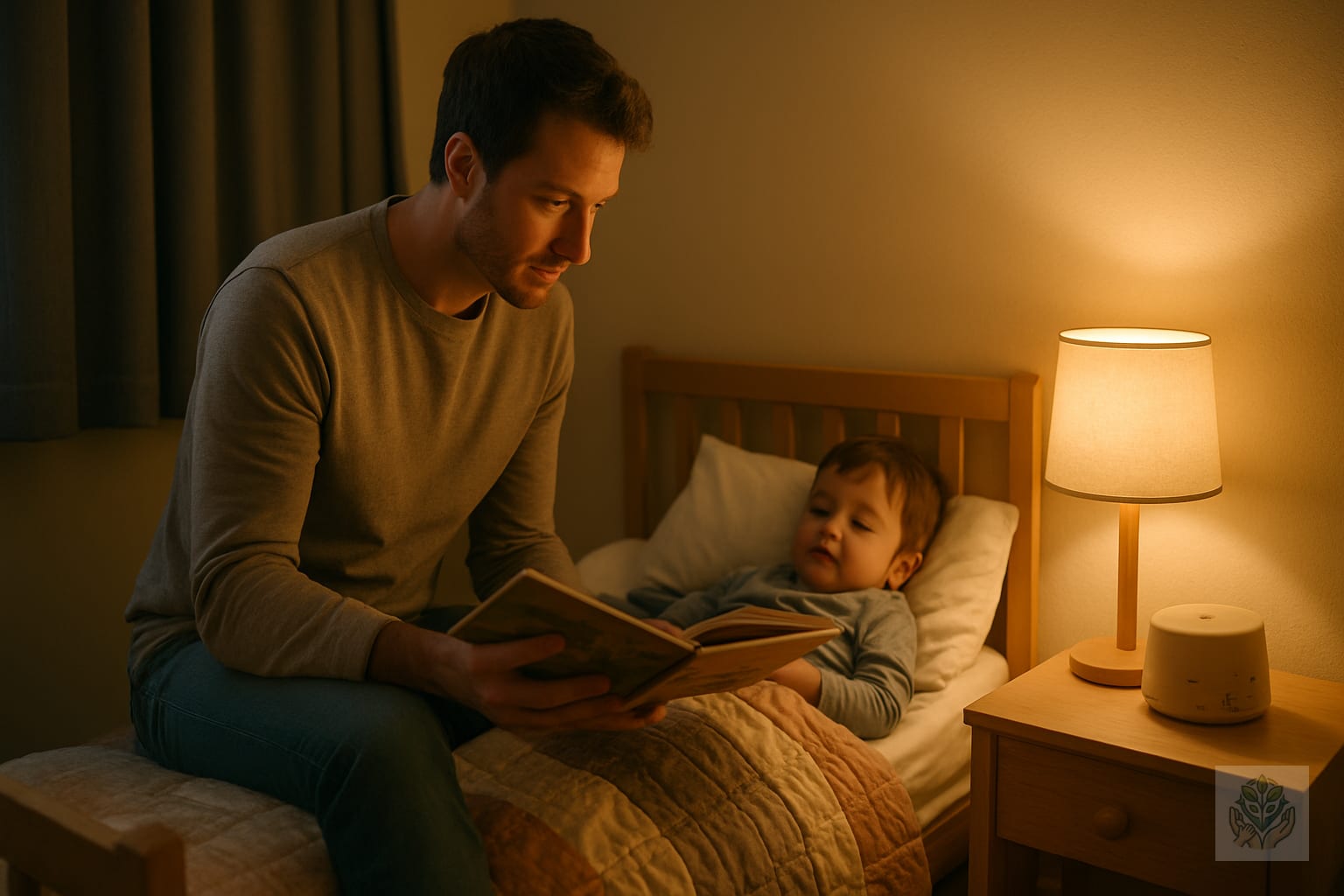
Consistency is your best friend. Create a predictable 30-to-45-minute routine that signals to the brain it is time to rest. A sample sequence might include a warm bath, putting on pajamas, brushing teeth, reading two books, and a final lullaby or cuddle.
Step 3: Offer limited, empowered choices to give them control
Combat their need for autonomy by giving them healthy choices within boundaries. Instead of asking if they are ready for bed, ask: Do you want to wear the blue pajamas or the red ones? Which book should we read first? This gives them the power they crave without derailing the process.
Step 4: Implement a ‘Bedtime Pass’ system for older kids
For children ages four and up, a Bedtime Pass works wonders. Give your child one physical card at the start of the night. They can use this pass to get out of bed for one specific reason, such as one more hug or a quick sip of water. Once the pass is used, it is gone until morning. This honors their desire for control while setting a firm boundary.
Optimizing the Sleep Environment
Sometimes the obstacle isn’t behavioral; it is environmental. Making a few tweaks to the bedroom can dramatically improve sleep onset.
Lighting and blackout curtains
Light exposure suppresses melatonin production, the hormone responsible for sleep. Invest in high-quality blackout curtains to keep streetlights and early morning sun out of the bedroom, creating a cave-like atmosphere ideal for rest.
White noise machines and calming sounds
Household noises like footsteps, television, or traffic can easily rouse a light sleeper. A continuous white noise machine masks sudden disruptions, helping your child stay asleep through sleep cycle transitions.
Temperature control for better sleep quality
The ideal bedroom temperature for children is slightly cool, typically between 65 and 68 degrees Fahrenheit (18 to 20 degrees Celsius). Overheating can cause restlessness and frequent night wakings.
Gentle Parenting Scripts for Bedtime Resistance
Knowing what to say in the heat of the moment keeps you grounded and empathetic. Here are a few scripts you can use when resistance peaks.
What to say when your child says ‘I’m not tired’
Validate their feeling while holding the boundary. Try saying: Your body might feel like it wants to play, but your brain and muscles need rest to grow big and strong. It is time for sleep now.
Handling tears and tantrums at lights-out
Tears are a healthy release of accumulated daytime stress. Stay present, offer a soothing touch, and use a calm voice. You can say: I see that you are upset, and it is hard to say goodnight. I am right here keeping you safe.
Holding loving boundaries with consistency
Children test boundaries to see if they hold firm. When you remain calm, loving, and consistent night after night, your child learns that the boundary is immovable, which ultimately brings them a deep sense of security.
When to Seek Professional Help
Most bedtime battles resolve with consistency and schedule adjustments. However, certain signs warrant professional evaluation.
Signs of underlying sleep disorders or anxiety
If your child consistently snores loudly, gasps for air during sleep, experiences severe night terrors, or shows extreme, debilitating anxiety around separation, it is time to look deeper.
Consulting a pediatrician or pediatric sleep consultant
Your pediatrician can rule out medical issues such as sleep apnea, restless legs syndrome, or chronic allergies. If behavioral strategies fail, a certified pediatric sleep consultant can provide a customized plan tailored to your family.
Conclusion
Learning how to help a child who fights bedtime is a journey that requires patience, empathy, and unyielding consistency. Progress rarely happens overnight, and you may encounter a few bumps along the way as your child tests the new boundaries.
Remember that every calm, loving boundary you hold is teaching your child valuable emotional regulation skills. Take a deep breath, trust your parenting instincts, and know that peaceful evenings are entirely within your reach.
Frequently Asked Questions
Why does my child suddenly fight bedtime?
Children often fight bedtime due to separation anxiety, fear of missing out, overtiredness, a need for autonomy, or sensory overload from a busy day.
How can I stop my child’s endless stalling tactics at night?
Anticipate their needs beforehand by offering water and bathroom trips early. Once the final routine ends, use a calm, repetitive script without engaging in debates.
What is a bedtime pass system?
A bedtime pass is a physical card given to children ages four and older, allowing them one permitted exit from the room for a specific need, helping them feel in control.
What is the ideal bedroom temperature for children to sleep?
The ideal bedroom temperature is slightly cool, generally between 65 and 68 degrees Fahrenheit, which helps promote deeper and more restful sleep.
What should I say when my child says they are not tired?
Validate their feelings while holding the boundary by saying that their body and brain need rest to grow, even if they feel like playing.
When should I consult a pediatrician about bedtime resistance?
Consult a pediatrician if your child snores loudly, gasps for air, shows extreme anxiety around separation, or if behavioral strategies fail after consistent effort.


