

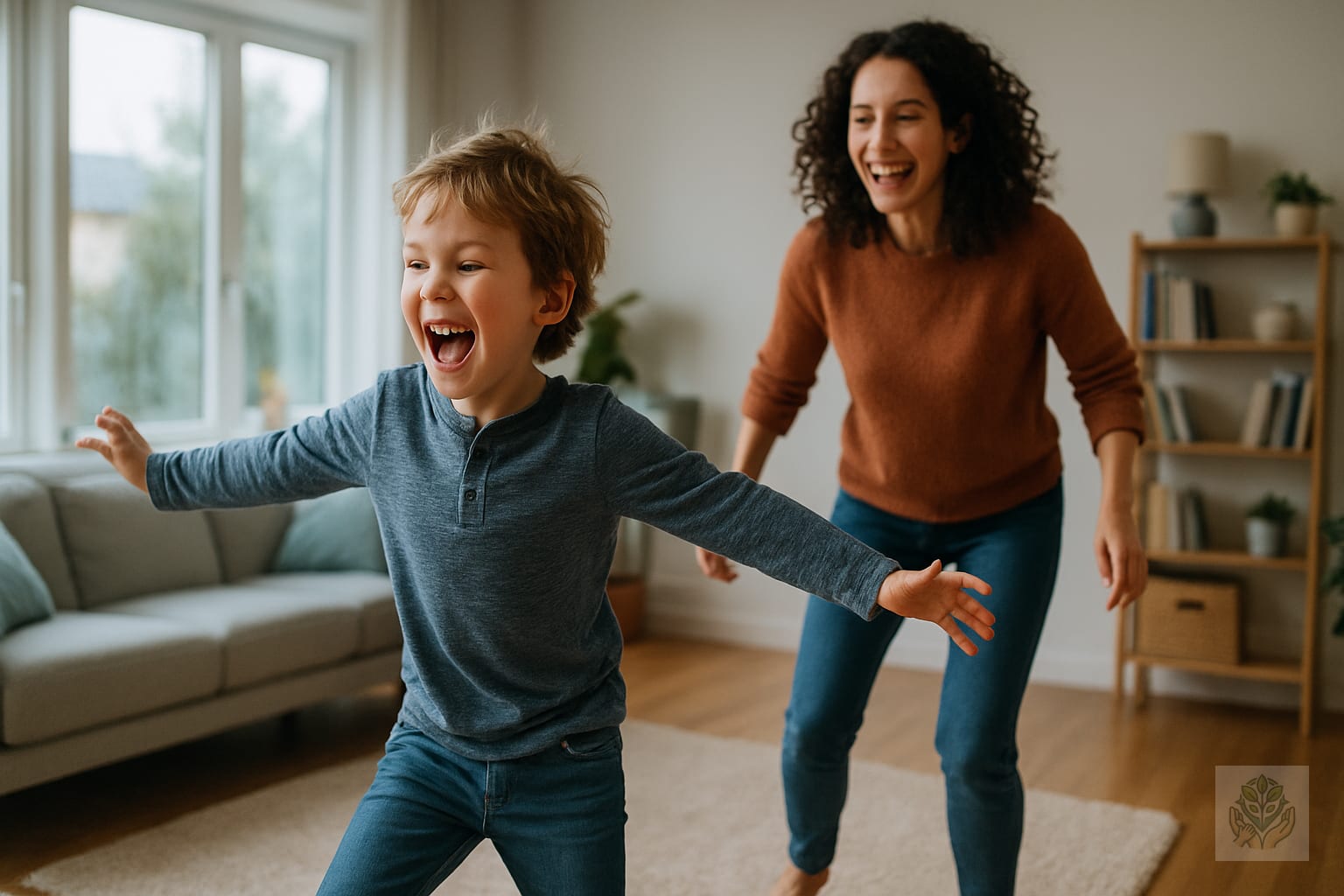
15 Easy Movement Activities for Kids at Home to Burn Energy
Introduction
Every parent knows the distinct sound of restless feet pacing the hallway on a rainy afternoon. When the weather keeps you indoors, or your afternoon schedule stretches on endlessly, the struggle against indoor energy and screen time begins. Children naturally possess an abundance of vitality, and when they cannot venture outside, that energy often turns into bouncing off the couch, sibling squabbles, and general chaos. Finding practical ways to channel that restlessness is a universal parenting challenge.
Why daily movement is crucial for child development goes far beyond simply wearing children out for a smoother bedtime routine. Physical activity fuels brain development, strengthens growing muscles, and helps children regulate their emotions. When you incorporate structured movement throughout your day, you provide a healthy outlet for stress while fostering lifelong healthy habits. Let us explore why these physical breaks matter so much and how you can implement them effortlessly.
Why Kids Need Movement Breaks Indoors
Benefits of gross motor play for focus and mood are profound and well-documented by pediatric experts. When children engage large muscle groups through jumping, running, and stretching, they release physical tension and stimulate the vestibular system. This sensory input actually helps the brain organize and process information more effectively. If your child struggles to sit still during homework or virtual learning, a quick physical reset can dramatically improve their concentration and emotional regulation.
How much physical activity do kids really need daily? According to health guidelines, children between the ages of three and five need physical activity throughout the day, while children aged six to seventeen require at least sixty minutes of moderate-to-vigorous activity daily. Breaking this requirement into manageable chunks makes it entirely achievable, even within the confines of a living room. Integrating quick movement sessions throughout your morning and afternoon keeps little bodies moving toward these essential health goals.
Quick & Easy Movement Activities with No Equipment
Animal Walks
Bear crawls, crab walks, and frog jumps offer an incredible workout disguised as imaginative play. Have your child crawl like a ferocious bear across the rug, scuttle sideways like a crab, or leap high into the air like an enthusiastic frog. These movements build core stability, shoulder strength, and coordination while keeping giggles flowing.
Floor is Lava
Building coordination using couch cushions transforms your living room furniture into a thrilling adventure course. Encourage your children to step, balance, and jump from cushion to cushion without touching the floor. This classic game naturally develops spatial awareness, balance, and strategic thinking as they plan their next safe landing spot.
Freeze Dance
A classic way to practice impulse control, freeze dance requires nothing more than your smartphone and a favorite playlist. Crank up upbeat music and let your children dance wildly around the room. When you abruptly pause the music, they must freeze instantly in whatever silly pose they happen to be in, which wonderfully sharpens listening skills and self-control.
High-Energy Games to Burn Serious Indoor Energy
Indoor Obstacle Course
Using pillows, tape, and chairs, you can construct a dynamic race track right down your hallway. Lay down strips of painter’s tape for a balance beam, set up chairs to crawl underneath, and arrange pillows to jump over. This setup provides a fantastic cardiovascular workout and burns off serious steam on days when going outside is simply not an option.
Balloon Tennis
Keeping the balloon off the floor safely is an addictive game that works surprisingly well indoors without breaking lamps. Give each child a paper plate taped to a wooden spoon as a racket, and challenge them to keep a blown-up balloon in the air. It sharpens hand-eye coordination and fine motor control in a completely safe, low-stress environment.
Paper Plate Skating
Sliding across carpeted floors using ordinary paper plates under their feet lets children glide like ice skaters indoors. Watch as they slide back and forth across the room, building leg strength and balance while having an absolute blast. It is a delightfully simple hack that feels entirely novel to young children.
Calming Movement Activities (Perfect for Wind-Down Time)
Animal Yoga Poses
Stretching and deep breathing help transition active bodies into a more relaxed state before naptime or bedtime. Guide your children into downward-facing dog, cat-cow stretches, or a balancing tree pose while taking slow, deep breaths. This mindful movement calms the nervous system and encourages body awareness.
Wheelbarrow Walks
Building upper body strength has never been more fun than when paired with a trusted partner. Hold your child’s ankles while they walk forward on their hands across the carpet. This heavy-work activity provides wonderful proprioceptive input that naturally calms and centers children who feel overstimulated.
Slow-Motion Race
Moving like molasses across the room challenges children to test their physical limits in reverse. Instruct them to race from the couch to the doorway in super-slow motion, requiring intense concentration and muscle control. It paradoxically exhausts their focus and energy while maintaining a wonderfully quiet environment.
Tips for Success: Keeping Indoor Play Safe and Fun
Creating Safe Zones
Creating safe zones and clearing hazards is the most important step before launching into any active indoor play session. Move sharp-edged furniture out of the way, roll up loose area rugs that might cause slipping, and establish clear boundaries about which rooms are off-limits for running. Taking these precautions lets you relax and enjoy the play.
Involving Yourself
Involving yourself to boost engagement makes a world of difference in how long children stay interested. When you drop down to crawl like a bear or join in the freeze dance circle, your enthusiasm signals that physical activity is a fun, shared family value. Your participation turns a simple activity into a cherished family bonding memory.
Conclusion
Recap of favorite quick movement ideas shows that you do not need an expensive gym membership or elaborate gear to keep your children active. From animal walks and obstacle courses to calming yoga poses, these fifteen easy movement activities for kids at home offer the perfect balance of fun, fitness, and focus. You now have a fantastic toolkit ready for the next rainy day or afternoon slump.
Call to action: Share your favorite indoor game in the comments below! We would love to hear what creative ways your family uses to burn off energy indoors.
Frequently Asked Questions
Why are indoor movement breaks important for kids?
Movement breaks help children release physical tension, stimulate the vestibular system, improve concentration, and enhance emotional regulation during learning or rainy days.
How much physical activity do kids need daily?
Children aged three to five need physical activity throughout the day, while kids aged six to seventeen require at least sixty minutes of moderate-to-vigorous activity daily.
What are some no-equipment movement activities for indoors?
Great no-equipment options include animal walks like bear crawls and frog jumps, the floor is lava game, and freeze dance.
How can I set up an indoor obstacle course safely?
Clear sharp furniture and loose rugs, use painter’s tape for balance beams, set up chairs to crawl under, and arrange pillows to jump over within a designated safe zone.
What activities help calm kids down before bedtime?
Animal yoga poses, wheelbarrow walks, and slow-motion races are excellent ways to stretch, breathe, and help transition active bodies into a relaxed state.
How can parents encourage kids to participate in indoor play?
Involving yourself in the games, such as crawling like a bear or joining a freeze dance circle, shows enthusiasm and turns activity into a fun family value.


