

The Educational Benefits of Pretend Play Explained: Why Imagination Matters for Child Development
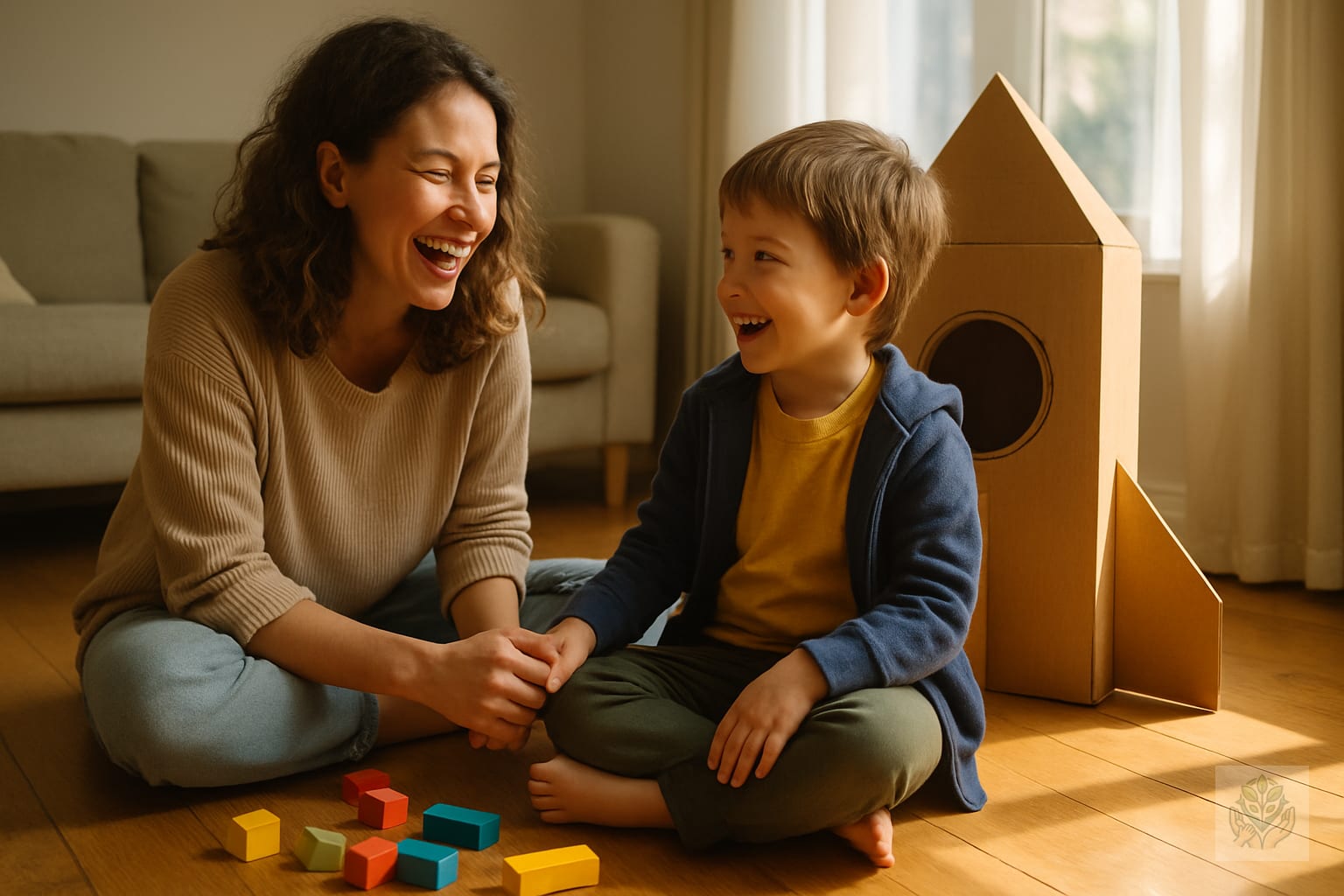
Have you ever watched your child spend an entire afternoon transforming a simple cardboard box into a roaring spaceship, a cozy castle, or a bustling grocery store checkout lane? To an adult, it is just a piece of shipping packaging waiting for the recycling bin. To a growing child, that box is a limitless portal to another universe. This simple scenario highlights the everyday magic of pretend play, a cornerstone of early childhood experiences that shapes how kids learn, think, and interact with the world around them.
As modern parents, we often feel immense pressure to load our children’s schedules with structured activities, flashcards, and educational apps designed to give them a head start. Yet, child development specialists continually emphasize that unstructured, imaginative play is just as crucial as any formal lesson. When children engage in make-believe, they are not just passing the time; they are actively wiring their brains for future success. For a broader look at imaginative activities, check out our guide to educational pretend play benefits, ideas, and milestones.
In this comprehensive guide, we will explore the profound benefits of pretend play, break down how imagination fuels cognitive and social growth, and share actionable tips to help you nurture your child’s creativity at home.
What is Pretend Play? (A Quick Definition)
At its core, pretend play—also known as imaginative play, dramatic play, or symbolic play—occurs when children use their imaginations to transform objects, actions, and roles. Instead of interacting with the physical world strictly as it is, a child uses abstract thinking to represent something else entirely. A wooden block becomes a ringing telephone, a banana becomes a television remote, and a plush teddy bear becomes a patient in urgent need of medical care.
This type of play evolves naturally over time. It typically begins around twelve to eighteen months of age, when toddlers start engaging in simple imitation. You might notice your toddler bringing a toy phone to their ear and saying hello, or pretending to feed a baby doll. These early actions show that the child understands symbols and can mirror real-world behaviors.
As children grow into preschoolers and school-age kids, their imaginative scenarios become increasingly complex. Solo role-playing evolves into elaborate cooperative games with peers, complete with assigned characters, detailed storylines, and negotiated rules. This progression from simple imitation to intricate storytelling is a vital milestone in healthy child development. To support this stage effectively, review our advice on choosing toys by age.
Core Educational Benefits of Pretend Play
It is easy to view play as the polar opposite of learning, but for young children, play is their primary method of learning. When we look closely at the educational benefits of pretend play, we see a powerful engine driving holistic growth across multiple domains.
Cognitive Development: Building Problem-Solving and Abstract Thinking
Imaginative play gives children a safe sandbox to test hypotheses, experiment with cause and effect, and solve complex problems. When kids plan a pretend rescue mission or figure out how to arrange cushions to build an indoor fortress, they are engaging in executive function skills. They must plan, organize, adapt when things fall apart, and remember the rules of their imaginary game. This abstract thinking lays the essential groundwork for later academic success in mathematics, science, and reading comprehension. You can also incorporate educational puzzle games for kids to further boost their problem-solving capabilities.
Language and Literacy Skills: Expanding Vocabulary and Narrative Structure
Have you ever listened to your child talk to their action figures? They often use sophisticated vocabulary and conversational tones they have picked up from you, television shows, or books. Role-play encourages children to experiment with new words, practice proper sentence structure, and learn the back-and-forth rhythm of conversation. Furthermore, storytelling during imaginative games helps children understand narrative arcs—beginning, middle, and end—which directly supports future reading and writing skills.
Social and Emotional Growth: Practicing Empathy, Sharing, and Self-Regulation
When children play together and negotiate who gets to be the doctor and who is the patient, they are learning vital emotional intelligence. They must practice empathy by stepping into someone else’s shoes and seeing the world from a different perspective. Pretend play also teaches self-regulation. A child who desperately wants to be the fire chief must learn to accept another role, manage their disappointment, and cooperate with their peers for the good of the game. Building these emotional foundations aligns well with practicing positive parenting habits for raising confident and caring kids.
Physical Development: Enhancing Fine and Gross Motor Skills Through Role-Play
While imaginative play is largely mental, it requires plenty of physical movement. Tiptoeing quietly like a stealthy ninja, buttoning up a superhero cape, stirring an imaginary pot of soup with a wooden spoon, or running around the yard like a wild animal all contribute to physical mastery. These activities refine both fine motor coordination and gross motor strength, helping children gain confidence in their own bodies. For additional ways to keep them active, browse these easy movement activities for kids at home to burn energy.
How Different Types of Pretend Play Boost Learning
Not all imaginative play looks the same, and different variations offer unique learning opportunities. Understanding these nuances helps parents create a balanced environment for their children.
Solo play allows children complete autonomy. When playing alone, a child is the absolute director of their universe. This fosters deep independence, self-soothing skills, and uninhibited creative expression. Conversely, collaborative play with siblings or peers teaches negotiation, compromise, and teamwork. Children learn that others have different ideas, and they discover how to merge those ideas into a shared vision.
The items you provide also shape the experience. Open-ended toys—such as plain wooden blocks, silk scarves, cardboard boxes, and blank paper—encourage deeper imagination than highly specialized toys with fixed electronic functions. When a toy does everything for the child, the imagination goes to sleep. When a toy can be anything, the imagination comes alive. You can explore more ideas for hands-on creativity in our guide on DIY crafts for kids.
Finally, the balance between adult-guided play and child-led scenarios matters immensely. While it is wonderful to join your child’s games, letting them take the lead empowers them to build confidence and leadership skills.
Expert Tips for Encouraging Pretend Play at Home
You do not need an elaborate playroom or expensive specialty toys to foster imagination. Here are a few practical, low-cost ways to support pretend play in your household:
- Create an accessible prop station: Gather old clothes, hats, scarves, purses, and safe household items into a dedicated dress-up bin where kids can reach them easily.
- Embrace boredom: Resist the urge to entertain your child every time they say they are bored. Boredom is often the fertile ground where creativity takes root.
- Provide open-ended materials: Keep a stash of cardboard boxes, blankets, pillows, and natural materials handy for spontaneous construction projects.
- Join in without taking over: When your child invites you to play, accept a supporting role. Let them direct the narrative and make the creative decisions.
- Read together: Books are a fantastic springboard for imaginative play. Act out scenes from favorite stories or invent what happens to the characters next.
Conclusion
The educational benefits of pretend play extend far beyond childhood, laying the groundwork for resilient, creative, and empathetic adults. In a world that often rushes kids to grow up quickly, imaginative play offers a precious space where they can slow down, explore possibilities, and simply be children.
By providing time, space, and a few simple props, you give your child the greatest gift of all: the freedom to imagine. So the next time your child hands you a pretend cup of tea or asks you to join their spaceship crew, step right in. You are not just playing a game—you are building a brilliant mind. To discover more options for early learning, read our overview of the best educational toys for kids.
Frequently Asked Questions
What is pretend play in child development?
Pretend play, or imaginative play, occurs when children use their imaginations to transform objects, actions, and roles. It helps children develop cognitive, social, and emotional skills by letting them act out scenarios and symbolic ideas.
At what age does pretend play typically begin?
Pretend play typically begins around 12 to 18 months of age with simple imitation, such as pretending to talk on a toy phone or feeding a doll, and grows into complex storytelling during the preschool years.
How does pretend play help with cognitive development?
Pretend play builds problem-solving skills, abstract thinking, and executive function as children plan scenarios, test ideas, and adapt when their imaginary games face unexpected changes.
How can parents encourage imaginative play at home?
Parents can encourage imaginative play by limiting screen time, providing open-ended toys like cardboard boxes and blocks, creating a dress-up station, and joining in on games while letting the child lead.
Does pretend play improve language and literacy skills?
Yes, imaginative play exposes children to new vocabulary, conversational rhythms, and narrative structures, which directly support future reading, writing, and communication skills.
What are open-ended toys and why are they important?
Open-ended toys lack fixed electronic functions and can be anything a child imagines, such as wooden blocks or cardboard boxes, encouraging deeper creativity and independent problem-solving.


