

The Ultimate Beginner’s Guide to Buying Age-Appropriate Toys
Introduction
Walking down the toy aisle can feel overwhelming for any parent or caregiver. Shelves overflow with flashing lights, loud electronic sounds, and endless plastic packaging. Navigating this sea of options becomes much easier when you focus on finding age-appropriate toys that genuinely match your child’s current developmental stage. For more guidance on picking items for different developmental milestones, check out our guide on choosing toys by age.
Choosing the right playthings is not merely about keeping kids busy on a rainy afternoon. Thoughtfully selected play items form the building blocks of early childhood development. They shape how children learn, interact with the world, and build confidence in their own abilities.
The Importance of Choosing the Right Toy
Toys serve as a child’s primary tools for learning about the physical and social world. When a baby shakes a rattle or a preschooler builds a towering block castle, they are conducting important scientific experiments. Selecting toys that fit their exact developmental window helps maximize these natural learning opportunities. Discover more options suited for early growth in our age-wise guide for smart learning.
As parents, we want our investments to matter. We look for items that will not end up forgotten at the bottom of a toy chest after a single afternoon. Mindful toy selection bridges the gap between pure entertainment and meaningful growth.
Why Age-Appropriateness Matters for Safety and Growth
Safety is always the top priority when introducing new playthings to your household. Manufacturers design labels and age guidelines based on rigorous safety standards and average developmental milestones. Ignoring these guidelines can accidentally expose a child to choking hazards or sharp edges.
Beyond physical safety, age-appropriateness protects a child’s emotional well-being. A toy that is too advanced causes frustration and self-doubt. Conversely, a toy that is too simple leads to immediate boredom. Finding the sweet spot keeps engagement high and joy front and center.
Why Age-Appropriate Toys Matter
Understanding the deeper reasons behind toy categorization helps parents make smarter shopping choices. Every stage of childhood brings rapid changes in brain development and physical capability. Providing the right stimuli at the right time unlocks incredible potential.
Cognitive and Motor Skill Development
Play directly influences brain wiring and muscle control. Fine motor skills improve when toddlers stack small blocks or manipulate puzzle pieces. Gross motor skills blossom when preschoolers run, jump, and balance on outdoor equipment.
Cognitive growth happens simultaneously as children sort shapes, recognize colors, and solve simple problems. High-quality playthings challenge growing minds just enough to encourage critical thinking without causing overwhelm. You can also explore options like those detailed in our parent’s guide to Montessori toys for cognitive development.
Preventing Safety Hazards and Choking Risks
Age ratings on packaging are not mere suggestions; they are vital safety warnings. Small parts that pose zero risk to a school-age child can easily block the airway of an inquisitive infant or toddler. Always inspect labels carefully to ensure the items entering your home match your child’s current mouthing habits and developmental maturity.
Avoiding Frustration vs. Boredom
Have you ever watched a child toss a toy aside in disgust after thirty seconds? That usually happens when the item fails to match their skill level. Toys that hit the mark inspire sustained concentration, deeper engagement, and a powerful sense of accomplishment.
Toy Selection by Age Group
Every child develops at their own unique pace, but general age milestones provide a reliable roadmap for shopping. Here is a breakdown of what to look for as your child grows.
Infants (0–12 Months): Sensory Stimulation and Motor Skills
Babies learn about the world primarily through their senses and physical touch. During the first year, prioritize high-contrast cards, soft texture books, easy-to-grasp rattles, and activity gyms.
Look for items that encourage tummy time, tracking movement with the eyes, and reaching out. Safe teethers and stacking cups also provide wonderful early tactile experiences.
Toddlers (1–3 Years): Exploration, Movement, and Imagination
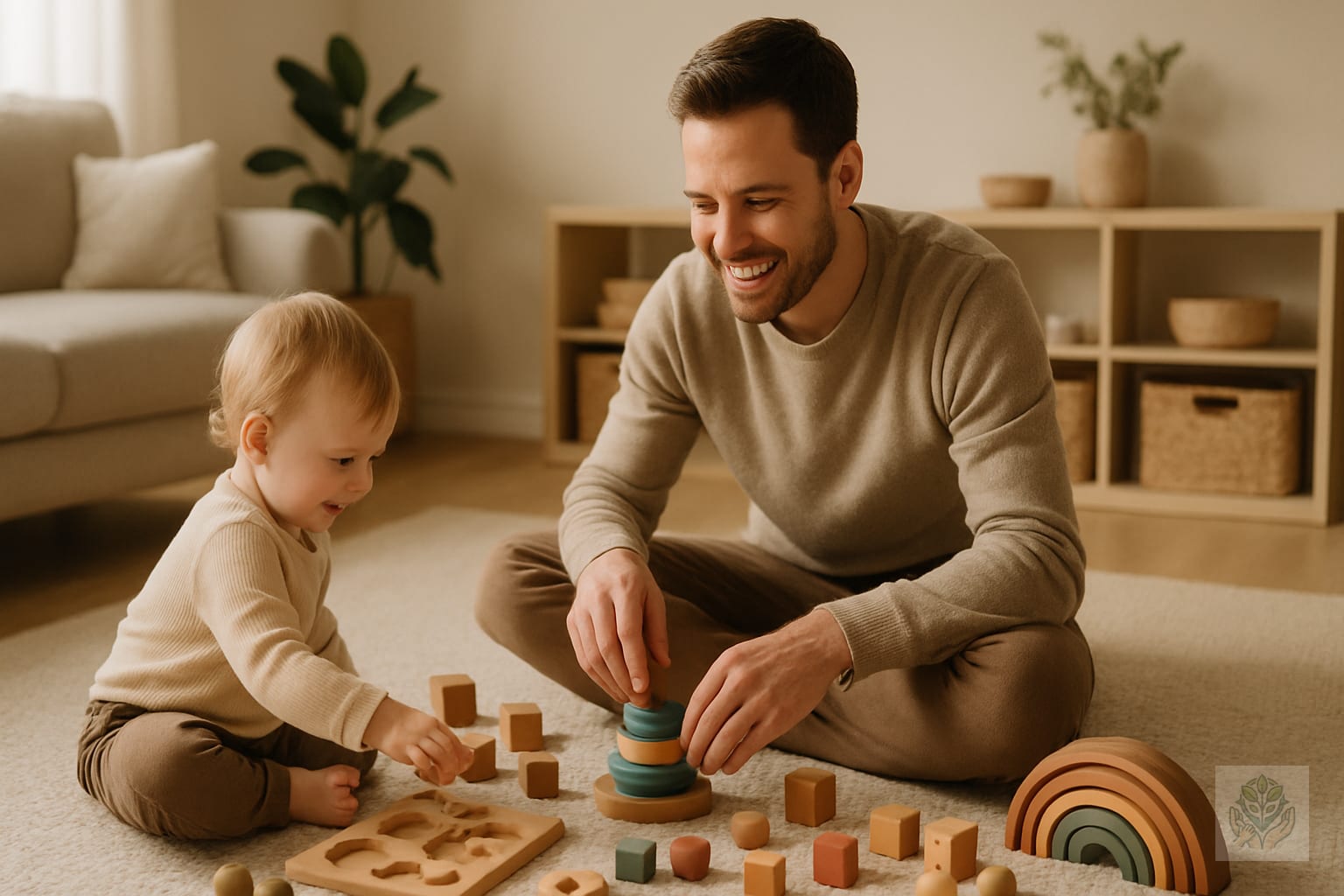
Toddlers are famously active, curious, and constantly on the move. Push and pull toys help refine walking skills, while chunky wooden blocks encourage early spatial awareness.
This is also the golden age for pretend play. Simple kitchen sets, toy phones, and dress-up items let toddlers mimic everyday adult behaviors, which is a crucial part of social and emotional development. Learn more about these benefits in our resource on the educational benefits of pretend play.
Preschoolers (3–5 Years): Social Play, Problem Solving, and Creativity
Preschoolers begin interacting more with peers, making cooperative playthings a wonderful investment. Board games with simple rules teach turn-taking, patience, and how to handle winning and losing gracefully.
Arts and crafts supplies, complex building sets, and storytelling props fuel vivid imaginations. These items allow children to express big feelings and invent entire worlds of their own.
School-Age Kids (6+ Years): Strategy, Complex Rules, and Independence
Older children crave challenges that test their intellect and strategy. Science kits, complex construction sets, strategy board games, and outdoor sports equipment fit this stage perfectly.
At this age, kids also enjoy pursuing independent hobbies. Supporting their specific interests through targeted hobby kits fosters lasting passion and self-reliance.
Key Factors to Consider Before Buying
Before you add items to your shopping cart, take a moment to evaluate them against a few core criteria. Smart shopping saves money and protects your child.
Checking Safety Labels and ASTM Standards
Always scan the packaging for safety certifications. In the United States, look for the ASTM International seal, which indicates the product meets rigorous consumer safety standards. Also check for non-toxic paint labels and flame-retardant disclosures.
Durability and Non-Toxic Materials
Kids can be wonderfully rough on their belongings. Choose sturdy wood, high-impact recycled plastics, or organic cotton fabrics that withstand daily wear and tear. Durable toys can often be passed down to younger siblings or donated later.
Open-Ended Play Value vs. Single-Use Gadgets
Toys that do one specific trick often lose their appeal quickly. In contrast, open-ended materials like plain blocks, magnetic tiles, and play silks grow with your child over several years. They encourage creativity because the child decides how the play unfolds.
Common Toy-Buying Mistakes to Avoid
Even well-meaning parents can fall into common marketing traps. Recognizing these pitfalls helps keep your home organized and your child engaged.
Buying Solely Based on Age Recommendations Without Child’s Skill Level
Age labels provide a helpful baseline, but you know your unique child best. A precocious builder might master intermediate sets early, while another child needs simpler options for a while longer. Tailor your choices to individual capabilities rather than strict numbers.
Overlooking Storage and Clutter
An influx of new playthings can quickly overwhelm a living space. Before buying, consider how the item will fit into your current storage system. Embracing quality over quantity keeps cleanup manageable and reduces household stress.
Prioritizing Screen-Heavy Toys Over Hands-On Play
Electronic gadgets with flashing screens and pre-recorded voices often do all the thinking for the child. Hands-on, tactile playthings require active physical and mental participation, which yields far better developmental outcomes.
Conclusion
Investing in age-appropriate toys is one of the most rewarding parts of parenting. By understanding developmental milestones and prioritizing safety, you create an environment where learning and fun go hand in hand.
Summary of Key Takeaways
- Match playthings to your child’s current developmental stage, not just their chronological age.
- Prioritize open-ended options that encourage imagination, motor skills, and problem-solving.
- Always verify safety certifications, durability, and non-toxic material labels.
- Balance your collection to avoid clutter and reduce overwhelming screen time.
Final Encouragement for Mindful Toy Shopping
Remember that the best toy in the world is often your undivided attention and a shared moment of play. Approach your next shopping trip with confidence, knowing that thoughtful choices lay the foundation for a joyful, creative childhood.
Frequently Asked Questions
Why are age-appropriate toys important for child development?
Age-appropriate toys match a child’s current cognitive and motor skill levels, preventing frustration while supporting healthy growth, safety, and engagement.
How do I know if a toy is safe for my infant?
Check the packaging for ASTM safety standards, ensure there are no small parts that pose choking hazards, and look for non-toxic materials designed for mouthing babies.
What are open-ended toys?
Open-ended toys are versatile playthings like blocks, magnetic tiles, and art supplies that do not have a single fixed outcome, allowing children to use their imagination in countless ways.
How can I prevent toy clutter in my home?
Focus on quality over quantity by selecting versatile, open-ended items and regularly rotating a smaller subset of toys to keep your child engaged without overwhelming your living space.
Should I strictly follow age recommendations on toy packaging?
Age recommendations provide a great safety baseline, but you should also consider your individual child’s unique skills, interests, and developmental readiness.
Why should I choose hands-on toys over screen-heavy electronic toys?
Hands-on toys require active physical and mental participation from children, fostering critical thinking and creativity, whereas screens often do all the thinking for them.


