

11 Easy Hand Strengthening Activities for Preschoolers (Fun & Playful Ideas)
Have you ever watched your preschooler try to open a stubborn juice box, button a winter coat, or grip a pencil for the very first time? You might be surprised to learn that these everyday tasks rely on a foundational physical skill that develops quietly behind the scenes: hand strength. When parents think about preparing children for school, academic milestones like counting and alphabet recognition usually come to mind. However, physical readiness—specifically fine motor development—is just as crucial for a child’s successful transition into kindergarten and beyond.
Developing strong hands is not just about building muscle; it lays the neurological and physical groundwork for future academic success, including neat handwriting, cutting with scissors, and manipulating classroom tools. Fortunately, you do not need expensive therapy equipment or complicated lesson plans to support your child. Discover these easy, play-based hand strengthening activities for preschoolers that you can set up in minutes using everyday household items. To complement these physical exercises with cognitive growth, you might also want to explore our best educational toys for kids age-wise guide for smart learning.
Why Hand Strength Matters for Preschoolers
To understand why little hands need extra workouts, it helps to look at the big picture of physical development. Gross motor skills involve large muscle groups used for running, jumping, and climbing. Conversely, fine motor skills involve the precise coordination of small muscles in the hands, fingers, and wrists. Before a child can master the delicate control needed to write their name, their hand muscles, arches, and finger joints must be strong and stable.
How hand strength supports everyday independence goes far beyond the classroom. Strong hands allow children to independently manage zippers, snap pants, open lunch containers, and tie shoes. When hand muscles are weak, children often experience hand fatigue, making writing or drawing frustrating rather than enjoyable. By incorporating targeted fine motor practice into daily play, we can prevent this frustration.
How do you know if your child needs a little extra support? Signs your preschooler might need fine motor help include complaining that their hand hurts when drawing, avoiding coloring or puzzles, using a whole-fist grasp on a pencil rather than a tripod grip, or struggling to manipulate small objects like buttons and beads.
Top Easy Hand Strengthening Activities Using Household Items
Building finger power does not require drilling exercises or boring worksheets. Children learn best through play, and everyday objects offer incredible opportunities for natural resistance training.
Activity 1: Playdough and Putty Power
Playdough is the ultimate fine motor tool. Encourage your child to roll dough into long snakes, pinch small pieces off with their thumb and index fingers, or hide small plastic beads inside for their fingers to dig out. The resistance of the dough actively builds intrinsic hand muscles.
Activity 2: Spray Bottle Plant Watering
Give your child a spray bottle filled with water and let them mist house plants or outdoor flowers. Squeezing a trigger repeatedly requires isolated finger extension and tremendous hand strength, specifically targeting the hand arches. For more inspiration on keeping children active outdoors, check out our guide on 10 outdoor activities to boost toddler development naturally.
Activity 3: Sponge Squeezing Water Transfer
Set up two bowls—one filled with water and one empty. Show your child how to submerge a kitchen sponge, lift it, and squeeze the water into the empty bowl. This fantastic activity combines gross motor reach with intense hand-squeezing action.
Activity 4: Tearing Paper Art
Save junk mail, colorful magazines, or construction paper and invite your child to tear them into strips and small pieces. Tearing paper builds bilateral coordination—using both hands to do opposite movements—while developing finger pinch strength.
Activity 5: Clothespin Matching Games
Write numbers or letters on the edge of a shoebox and matching ones on clothespins, then ask your child to clip them to the correct spot. Squeezing a clothespin is an exceptional exercise for developing an isolated pincer grasp. You can find more early learning tasks in our ultimate complete guide to preschool activities for early learning.
Playful Fine Motor Games to Build Grip Strength
When children are fully engaged in a game, they happily push through physical challenges that might otherwise feel like hard work. Try these playful grip-builders during your next quiet time.
Activity 6: Sticker Peeling and Sticking
Peeling stickers off a glossy sheet requires incredible fine motor precision. Children must use their fingertips to find an edge, lift it, and place it down carefully, which strengthens the ulnar side stability of the hand.
Activity 7: Pipe Cleaner Colanders
Flip a kitchen colander upside down and give your child a handful of colorful pipe cleaners. Let them push the pipe cleaners through the tiny holes and pull them out the other side. The varying resistance levels provide wonderful tactile and muscular feedback.
Activity 8: Q-Tip Painting
Swap out thick paintbrushes for cotton swabs. Holding a Q-tip requires a tripod grasp similar to a pencil, and dipping and dotting paint onto paper encourages fine motor control and finger dexterity.
Activity 9: Building with LEGO or Duplo Bricks
Construction toys are fantastic for hand development. Pushing building blocks together and pulling them apart requires significant finger power and hand-eye coordination. To expand your toy collection for skill-building, review our ultimate beginner’s guide to buying age-appropriate toys.
Kitchen-Based Hand Exercises Disguised as Fun
The kitchen is a goldmine for occupational therapy-inspired activities disguised as everyday cooking adventures. Involve your child in meal prep with these ideas:
Activity 10: Using Child-Safe Tongs and Tweezers
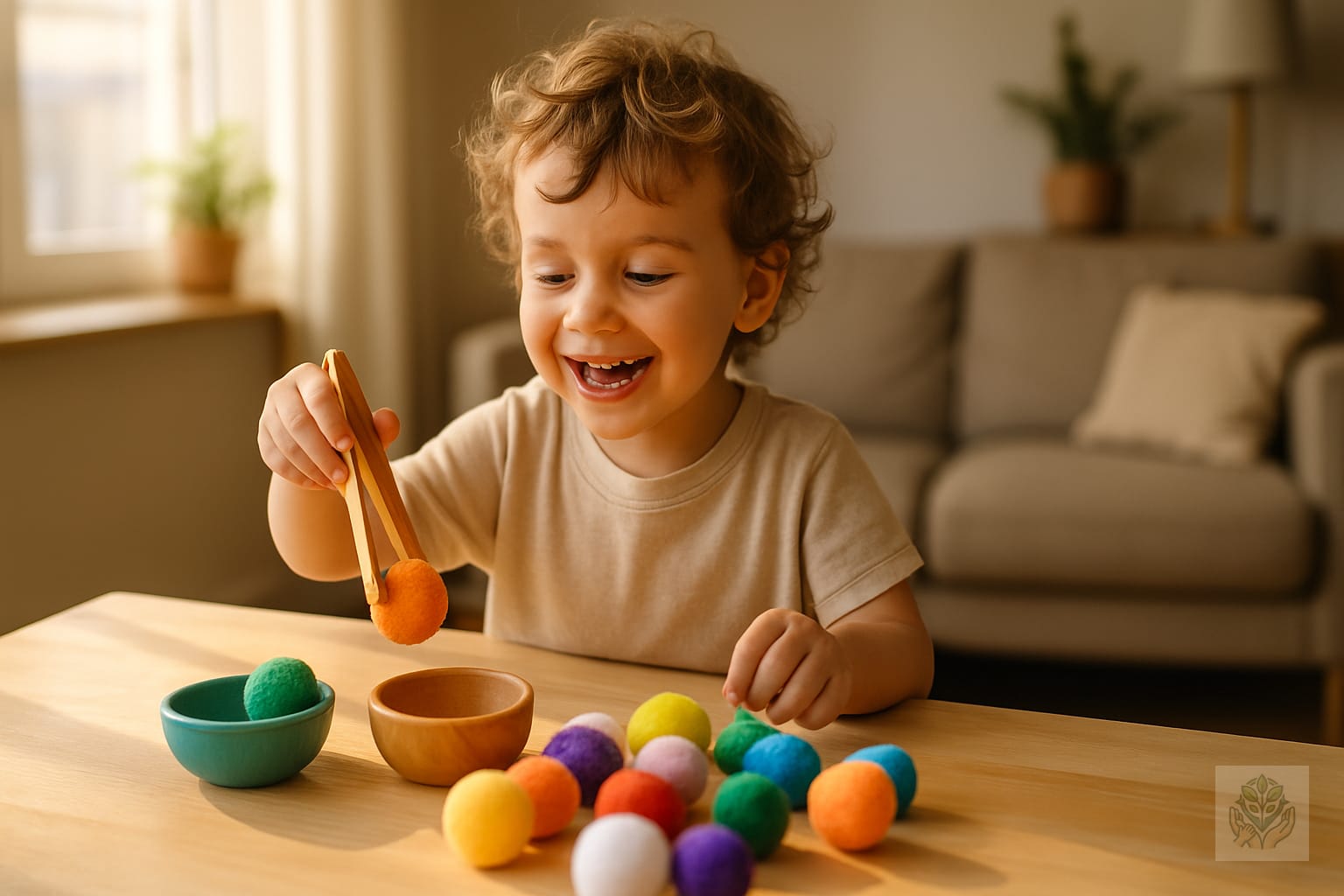
Set out a bowl of dry cereal, cotton balls, or large pom-poms and challenge your child to transfer them from one container to another using salad tongs or oversized tweezers. This directly strengthens the fingers used for holding writing utensils.
Activity 11: Rolling Out Cookie Dough with Small Mini Rolling Pins
Give your preschooler their own patch of dough and a small rolling pin. Pushing down and rolling forward requires upper body strength combined with wrist and palm stability.
Activity 12: Opening and Closing Small Containers
Gather clean plastic spice jars, small Tupperware containers, and twist-cap bottles. Let your child practice unscrewing lids, popping snap-tops open, and securing them back down.
Tips for Keeping Hand Exercises Engaging for Young Children
As you introduce these hand strengthening activities, keeping the experience positive and low-pressure is essential. Here are a few expert tips for success:
- Keep it short: Five to ten minutes a day is plenty for young children whose hands tire quickly.
- Follow the child’s lead: Turn daily chores, like putting away groceries or sorting laundry, into playful hand games.
- Avoid frustration: Grade the difficulty to match your child’s current ability. For example, use soft, pliable dough before introducing stiff therapy putty.
Conclusion
Supporting your child’s physical development does not require rigid schedules or expensive curriculum books. By weaving simple, playful hand strengthening activities for preschoolers into your daily routine, you give your child the tools they need for academic confidence and everyday independence. Whether you hand them a pair of tongs during snack time or set up a sticker-peeling challenge during a quiet afternoon, these small moments of play add up to big physical gains. For a structured approach to structuring their day around these activities, check out our guide on daily routine for kids by age (1–6 years complete guide).
Ready to get started? Pick just one activity from this list to try with your child today and watch their fine motor skills blossom!
Frequently Asked Questions
Why is hand strength important for preschoolers?
Hand strength is essential for developing fine motor skills, which are required for writing, cutting with scissors, buttoning coats, and opening lunch containers independently.
What are signs of weak hand muscles in children?
Signs include complaining of hand fatigue while drawing, avoiding coloring or puzzles, using a whole-fist grasp on pencils, and struggling with buttons or zippers.
How can I improve my preschooler’s hand strength at home?
You can use everyday items like playdough, spray bottles, kitchen sponges, clothespins, and tongs to naturally build hand and finger muscles through play.
How long should hand strengthening exercises take?
Keep sessions short and engaging. Five to ten minutes a day is plenty for young children whose hands tire quickly.
Can playdough help build hand strength?
Yes! Rolling dough into snakes, pinching pieces, and hiding beads inside actively builds intrinsic hand muscles and finger dexterity.
What kitchen items can be used for fine motor practice?
Child-safe tongs, mini rolling pins, small Tupperware containers, and spice jars are fantastic kitchen tools for building grip strength.


