

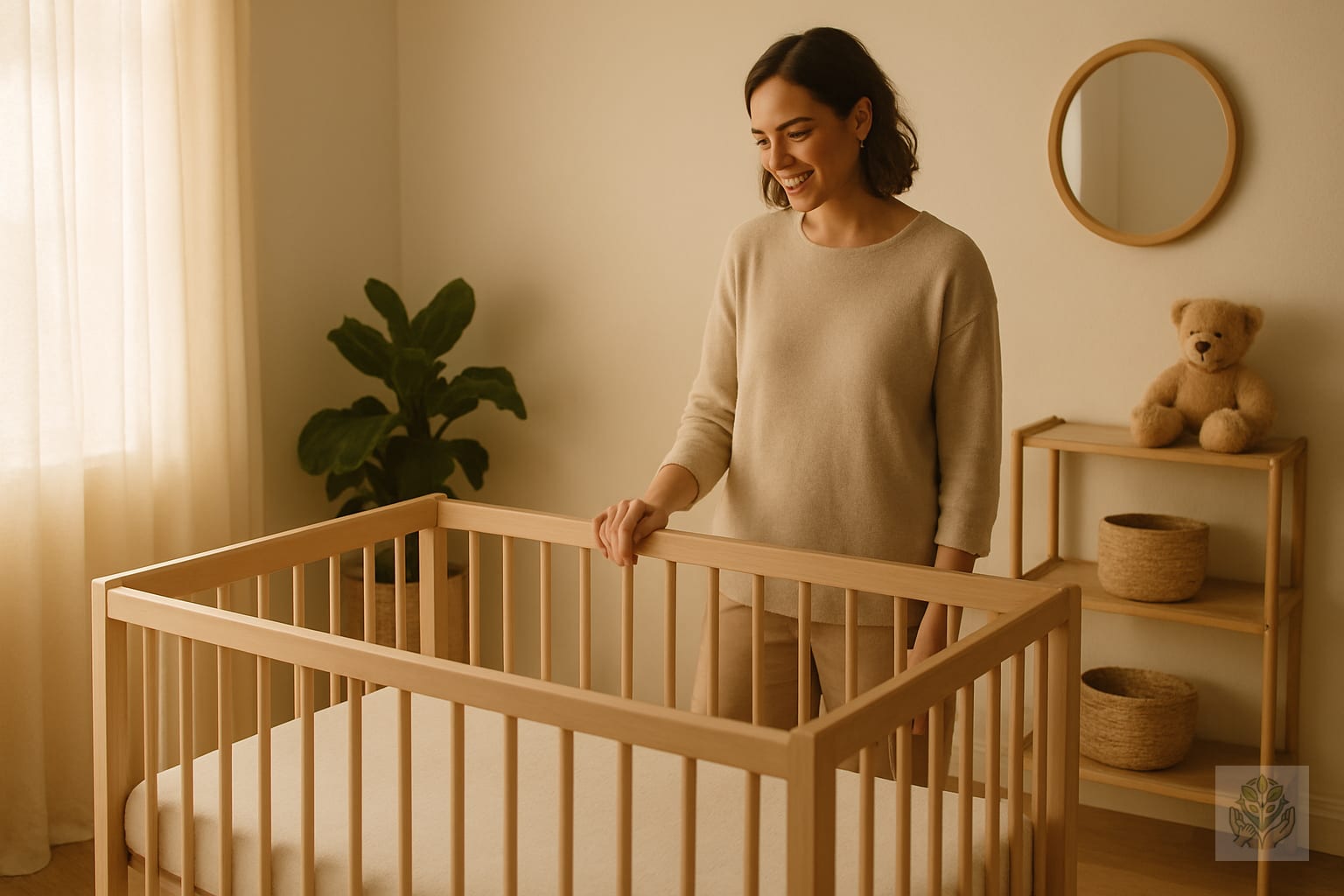
How to Create a Safer Sleep Environment for Babies: A Parent’s Complete Guide
Welcoming a new baby into your home is an incredible journey filled with love and milestones. However, it also brings a new set of responsibilities, particularly when it comes to bedtime. Every parent wants to ensure their little one is comfortable and secure throughout the night. Understanding how to create a safer sleep environment for babies is one of the most proactive steps you can take to support your infant’s healthy development and your own peace of mind.
It is natural for new parents to feel anxious about Sudden Infant Death Syndrome (SIDS). While the thought can be overwhelming, following evidence-based guidelines significantly reduces risks. The American Academy of Pediatrics (AAP) has spent years researching the best ways to protect infants during sleep. By implementing these clear, actionable strategies, you can transform your nursery into a sanctuary that prioritizes both safety and rest.
The ABCs of Safe Sleep
When you are tired and adjusting to the rhythms of life with a newborn, it is easy to forget the essentials. The AAP simplifies the guidelines for a safer sleep environment for babies with the ABCs: Alone, Back, and Crib. Remembering this simple acronym will help you keep your infant protected every single time they drift off to sleep.
A: Alone
Babies should always sleep alone. This means no pillows, stuffed animals, bumper pads, or loose blankets in the crib. While it might look cozy to decorate the crib with plush toys or soft bedding, these items pose a suffocation hazard. A bare sleep surface is the safest sleep surface.
B: Back
Always place your baby on their back to sleep for every nap and every night. While some babies may seem to prefer sleeping on their tummies, the back-sleep position is non-negotiable for infants. It keeps the airway open and significantly lowers the risk of SIDS.
C: Crib
Your baby should sleep on a firm, flat surface. This could be a crib, bassinet, or play yard that meets modern safety standards. Avoid soft surfaces like sofas, armchairs, or adult mattresses, as they can cause a baby to roll into a position that compromises their breathing.
Choosing the Right Sleep Surface
The foundation of a safer sleep environment for babies is the furniture they sleep on. When shopping for gear, prioritize simplicity over aesthetics. Avoid mattresses that feel squishy or memory foam toppers; if you can press down on the mattress and it doesn’t immediately spring back, it is too soft. For more details on what to look for when selecting bedding, read our Baby Fitted Sheets: What Parents Should Look For (Ultimate Buying Guide).
Check that your crib or bassinet is free from hardware gaps where a limb could get stuck. Additionally, avoid inclined sleepers, loungers, or nests. These products, while popular, often place a baby’s head at an angle that can cause their chin to drop toward their chest, potentially blocking their airway. Stick to a flat, firm mattress with a tight-fitting sheet designed specifically for that model.
What Should Your Baby Wear to Sleep?
Since blankets are not allowed in the crib, parents often worry that their baby will get cold. The best solution is to use a wearable blanket, also known as a sleep sack. These garments provide warmth without the risk of loose fabric covering the baby’s face.
If you choose to swaddle your baby during the early weeks, ensure the swaddle is secure and not too tight around the hips. As soon as your baby shows signs of rolling over, typically around two to four months, you must stop swaddling. At this stage, transition to a wearable blanket that allows the arms to be free, which keeps them safe should they roll onto their stomach during the night.
Creating the Ideal Nursery Environment
Temperature regulation is a vital part of a safer sleep environment for babies. Overheating is a known risk factor for SIDS. Aim to keep the nursery between 68 and 72 degrees Fahrenheit. If you are comfortable in a light layer of clothing, your baby likely is too. For inspiration on setting up a beautiful room, check out these 15 Calm and Cozy Nursery Decor Ideas for a Peaceful Sleep Space.
White noise machines can be wonderful for drowning out household sounds, but be mindful of the volume. Ensure the device is placed at least seven feet away from the crib and kept at a low decibel level—no louder than a quiet conversation. Finally, keep lighting dim during the night. This helps differentiate day from night, supporting your baby’s developing circadian rhythm while making late-night check-ins less stimulating.
Room Sharing vs. Bed Sharing
The AAP recommends room sharing for at least the first six months, and ideally up to one year. This means having the baby sleep in your room, but in their own designated sleep space like a bassinet or crib. This setup makes it easier to feed and monitor your baby while significantly reducing the risks associated with bed sharing.
Bed sharing—bringing your baby into your adult bed—can be dangerous due to the presence of pillows, heavy blankets, and the risk of a parent rolling onto the infant. If you bring the baby into your bed for a feeding or comfort, ensure the environment is cleared of all hazards. If you find yourself drifting off, move the baby back to their own safe, flat surface as soon as possible. To ensure your home is secure overall, review our How to Prevent Common Household Accidents for Babies: The Ultimate Room-by-Room Safety Guide.
Safe Sleep Checklist for Parents
To ensure you maintain a safer sleep environment for babies consistently, keep this checklist handy near the nursery door:
- Is the crib completely bare of toys, bumpers, and pillows?
- Is the mattress firm and the sheet tightly fitted?
- Is the baby placed on their back to sleep?
- Is the room temperature set between 68 and 72 degrees?
- Are the baby’s arms free if they have started rolling?
- Have you shared these rules with grandparents or babysitters?
Conclusion
Creating a safer sleep environment for babies is one of the most important roles you fill as a parent. By following the ABCs of safe sleep and staying diligent about the nursery setup, you are providing the best possible start for your little one. Remember that every baby is different, and it is always a good idea to consult your pediatrician if you have specific concerns about your baby’s sleep habits or development. You can also explore our Everything Parents Need to Know About Baby Safety: The Ultimate Guide for more tips.
You are doing a wonderful job navigating the complexities of parenthood. Stay informed, stay consistent, and don’t hesitate to reach out for support when you need it. If you found this guide helpful, please share it with other new parents in your life to help keep more babies safe and sound. For guidance on other aspects of infant care, take a look at our The Complete Roadmap to Healthy Newborn Care From Birth: A First-Time Parent’s Guide.
Frequently Asked Questions
What are the ABCs of safe sleep for babies?
The ABCs stand for Alone, Back, and Crib. Babies should always sleep alone in a bare crib, placed strictly on their backs for every nap and nighttime sleep.
When should I stop swaddling my baby?
You should stop swaddling as soon as your baby shows the first signs of trying to roll over, typically around two to four months of age.
Is it safe to use a blanket in the crib?
No, loose blankets should never be placed in a crib because they pose a suffocation hazard. Instead, use a wearable blanket or sleep sack to keep your baby warm.
What is the ideal room temperature for a baby’s nursery?
The nursery should be kept between 68 and 72 degrees Fahrenheit to prevent overheating, which is a known risk factor for SIDS.
How long should my baby room-share?
The American Academy of Pediatrics recommends room sharing for at least the first six months, and ideally up to one year, with the baby sleeping in their own bassinet or crib.
What kind of mattress is safest for an infant?
An infant needs a firm, flat mattress that fits tightly within the crib or bassinet. Avoid soft mattresses, memory foam toppers, or inclined sleepers.


