

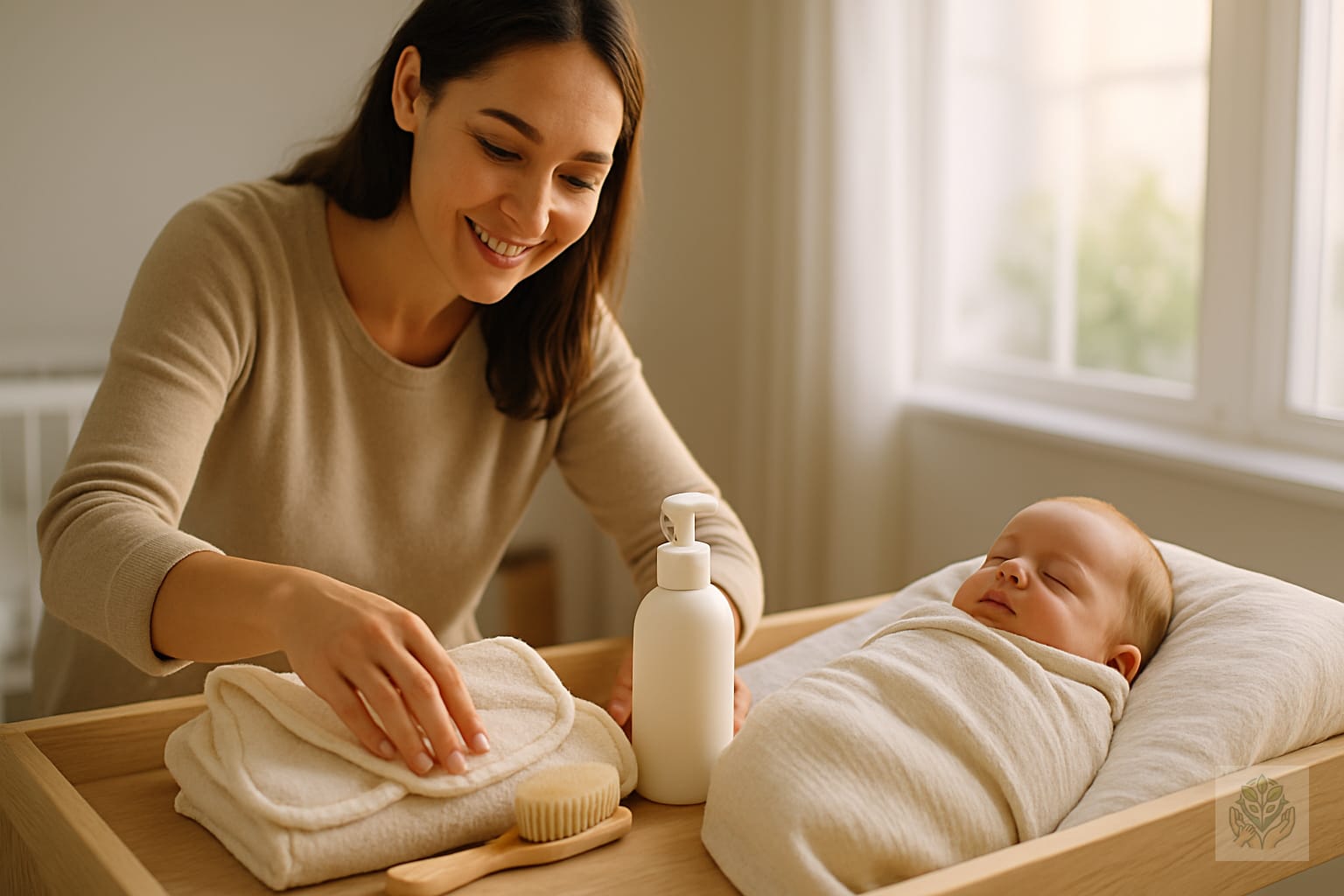
The Complete Guide to Baby Skin Care for New Parents: Everything You Need to Know
Welcoming a new baby into your home is an incredible milestone, but it often brings a whirlwind of questions about how to best care for your little one. Among the most common concerns is managing baby skin care. Newborn skin is thinner, more sensitive, and more prone to irritation than adult skin, making it essential for parents to understand exactly how to protect and nurture it.
Why newborn skin is different
When your baby is born, their skin is essentially adjusting to a whole new world. In the womb, they were protected by a waxy coating called the vernix caseosa. Once this is removed after birth, their skin must begin to function as a primary barrier against bacteria, temperature changes, and environmental pollutants. Because infant skin is roughly 30 percent thinner than adult skin, it absorbs substances more readily and loses moisture much faster.
The importance of a gentle approach cannot be overstated. By minimizing harsh chemicals and sticking to simple, hypoallergenic routines, you can prevent many common irritations before they start. Remember, less is often more when it comes to grooming your newborn.
Setting expectations is also part of the process. You might notice peeling, redness, or strange spots in the first few weeks. Much of this is completely normal as the baby sheds their newborn layer of skin. Understanding what is typical helps you stay calm and avoid over-treating the skin with unnecessary products. Learn more in our Everything Parents Should Know About Baby Skin Care: The Ultimate Guide.
Understanding Your Baby’s Skin Biology
The barrier function of infant skin is still developing during the first year. This means the protective outer layer is not yet fully sealed, allowing irritants to enter more easily. This is why you might notice your baby reacts differently to certain fabrics or laundry detergents than you do.
Common conditions are frequent visitors in the early months. Milia, which are tiny white bumps on the nose or cheeks, are essentially clogged oil glands and will clear up on their own. Baby acne often appears around two to four weeks of age and is thought to be a response to maternal hormones. Finally, cradle cap presents as scaly, yellowish patches on the scalp. While it may look unsightly, it is harmless and usually responds well to gentle brushing with a soft-bristled baby brush.
The Ultimate Baby Skin Care Routine
One of the most frequent questions parents ask is how often they should bathe a newborn. The truth is, newborns do not need daily baths. Bathing three times a week is usually sufficient, as over-washing can strip the skin of its natural oils. Stick to sponge baths until the umbilical cord stump falls off and the belly button has fully healed. For step-by-step instructions, check out our Complete Guide to Bathing Your Baby Safely: Step-by-Step Instructions for New Parents.
Choosing the right cleansers is vital. Look for products that are fragrance-free, dye-free, and pH-balanced. Your baby’s skin pH is slightly different than an adult’s, and using harsh soaps can disrupt the acid mantle, leading to dryness or rashes.
Moisturizing should be a part of your daily routine if you notice dry patches. Apply a gentle, baby-safe lotion or ointment immediately after a bath to lock in moisture while the skin is still slightly damp. Avoid products with heavy perfumes or essential oils, as these can trigger contact dermatitis in sensitive infants.
Post-bath care tips include patting the skin dry rather than rubbing it. Focus on areas where moisture tends to hide, such as the skin folds in the neck, armpits, and thighs. Keeping these areas clean and dry is the best way to prevent yeast infections or friction-related irritation.
Navigating Diaper Rash and Irritation
What causes diaper rash? It usually comes down to prolonged contact with moisture, stool, or urine. The ammonia in urine and enzymes in stool can break down the skin barrier, creating a perfect environment for irritation and infection.
Prevention strategies start with frequent diaper changes. Even the most absorbent diapers need to be swapped out regularly. Allow your baby some diaper-free time each day to let the skin air out. When you clean the area, use water and a soft cloth or fragrance-free wipes to minimize irritation. You can find more tips in our The Complete Guide to Baby Diapering for New Parents: Tips, Tricks & Safety.
When to use barrier creams vs. powders is a common point of confusion. Use a zinc-oxide-based barrier cream at every change if your baby is prone to redness to create a protective seal. Avoid talcum-based powders, as these can be inhaled and cause respiratory issues. If the rash looks bright red, has pimples, or does not go away after three days of diligent care, call your pediatrician, as it may require a prescription antifungal cream.
Managing Sensitive Skin and Eczema
Identifying signs of infant eczema involves looking for patches of dry, itchy, and red skin. These patches often appear on the cheeks, scalp, or in the folds of the elbows and knees. Eczema is chronic, so the goal is to manage flares and keep the skin as hydrated as possible.
Environmental triggers to avoid include dust, pet dander, and harsh synthetic fabrics. Stick to organic cotton clothing whenever possible, as it allows the skin to breathe. Choose laundry detergents that are specifically labeled as sensitive or hypoallergenic, and ensure they are free from brighteners and perfumes.
Tips for keeping baby’s skin hydrated include consistent moisturizing. Use thick, fragrance-free creams or ointments rather than thin, watery lotions, which tend to evaporate too quickly. During colder months, using a humidifier in the nursery can also prevent the indoor air from drying out your baby’s skin.
Ingredients to Avoid in Baby Products
When shopping for skin care, always read the label. Avoid common toxins and irritants like phthalates, parabens, formaldehydes, and synthetic fragrances. Many of these chemicals are known endocrine disruptors or contact allergens. For guidance on picking safe items, read our tips on How to Choose Safe Skin Care Products for Babies: The Ultimate Parent’s Guide.
The importance of patch testing new products cannot be ignored. Before applying a new lotion or cream all over your baby, rub a small amount on the inside of their forearm or behind their ear. Wait 24 to 48 hours to ensure there is no redness or swelling before using it regularly.
Frequently Asked Questions (FAQs)
Can I use adult skincare on my baby? It is generally advised to stick to products formulated specifically for infants. Adult products often contain active ingredients or fragrances that are too harsh for a newborn’s delicate skin.
What should I do if my baby has dry patches? For minor dryness, apply a fragrance-free baby lotion or ointment. If the patches are cracked, bleeding, or look infected, consult your pediatrician immediately.
Is it normal for a newborn’s skin to peel? Yes, especially for babies born past their due date. It is a natural process as they shed the skin that was protected in the womb. Simply moisturize as needed and let it happen naturally.
Conclusion
Managing baby skin care is a journey that requires patience and close observation. By keeping routines simple, avoiding harsh chemicals, and staying consistent with hydration, you can ensure your little one’s skin stays soft and healthy. Remember that every baby is unique, and what works for one child may not work for another.
You are doing a great job, and these early days of skin sensitivity will soon pass as your baby grows. If you ever notice signs of infection, persistent rashes, or if you are simply worried about your baby’s skin condition, do not hesitate to reach out to your pediatrician or a pediatric dermatologist. They are your best resources for ensuring your baby remains comfortable and healthy.
Frequently Asked Questions
Can I use adult skincare on my baby?
It is generally advised to stick to products formulated specifically for infants. Adult products often contain active ingredients or fragrances that are too harsh for a newborn’s delicate skin.
What should I do if my baby has dry patches?
For minor dryness, apply a fragrance-free baby lotion or ointment. If the patches are cracked, bleeding, or look infected, consult your pediatrician immediately.
Is it normal for a newborn’s skin to peel?
Yes, especially for babies born past their due date. It is a natural process as they shed the skin that was protected in the womb. Simply moisturize as needed and let it happen naturally.
How often should I bathe my newborn?
Newborns do not need daily baths. Bathing three times a week is usually sufficient, as over-washing can strip the skin of its natural oils.
How can I prevent and treat diaper rash?
Prevent diaper rash by changing diapers frequently, allowing some diaper-free time, and using a zinc-oxide-based barrier cream at every change to create a protective seal.
When should I call a pediatrician about a skin rash?
Call your pediatrician if a rash looks bright red, has pimples, shows signs of infection, or does not go away after three days of diligent care.


