

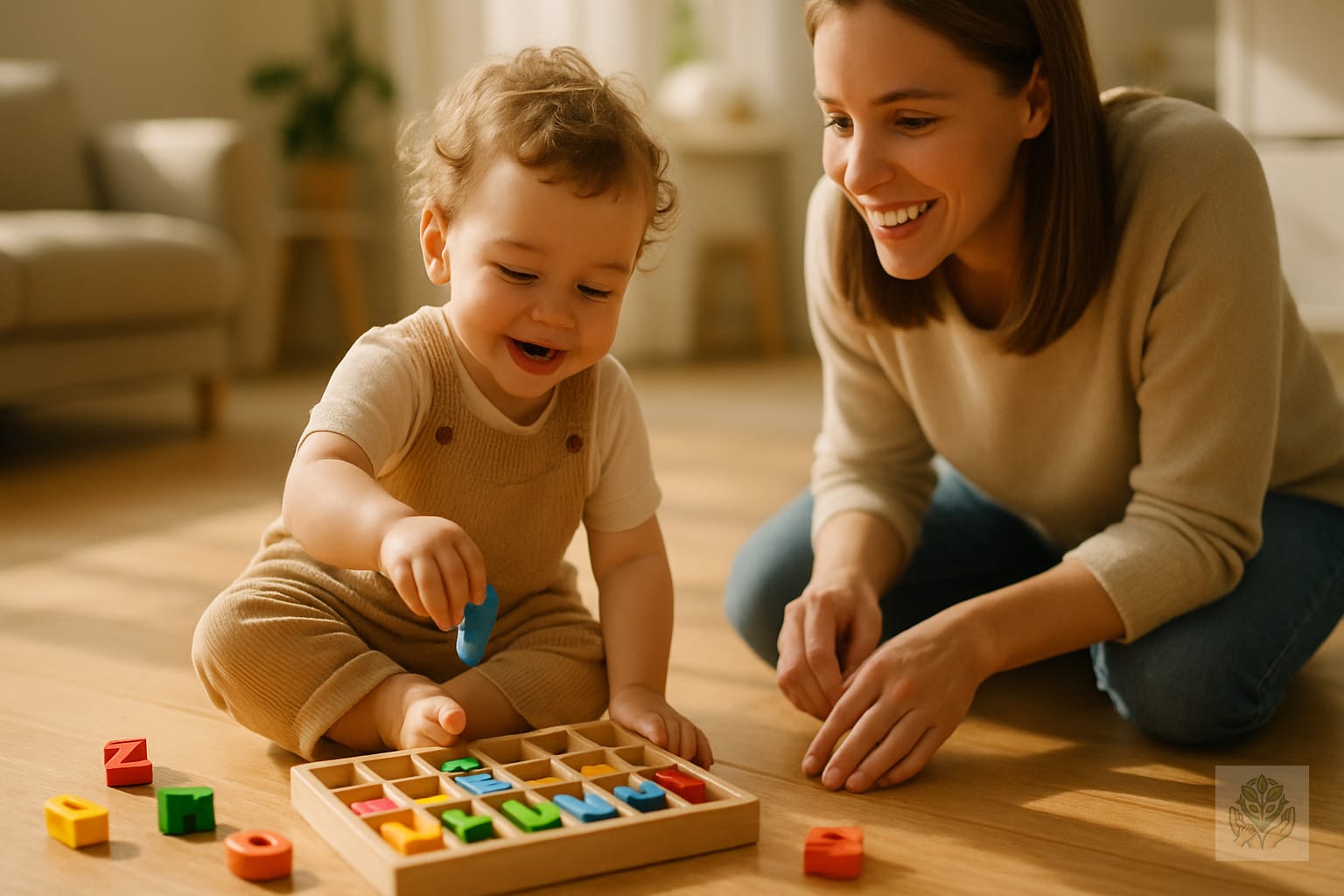
10 Simple Letter Recognition Games for Toddlers (Playful Learning)
Is there anything more exciting than watching your little one begin to connect the dots between symbols and sounds? Early literacy is one of the most rewarding milestones in your child’s development. However, for a toddler, learning the alphabet should feel less like a classroom lesson and more like a fun adventure. By using letter recognition games for toddlers, you can turn screen-free time into a foundational building block for future reading success.
It is easy to get caught up in the pressure of developmental milestones, but toddlers learn best when they are moving, touching, and exploring their environment. Today, we are sharing 10 simple, low-prep letter recognition games for toddlers that take the stress out of teaching and put the joy back into playtime.
Why Play-Based Letter Recognition Works
When we talk about early literacy, the goal isn’t to create a mini-scholar; it is to foster a lifelong love of language. Research consistently shows that children learn through play. When a child is physically engaged, their brain creates stronger neural connections. Incorporating play-based literacy helps them associate letters with positive emotions rather than frustration. You can explore more ideas in our complete guide to preschool activities for early learning.
Toddlers have famously short attention spans, and that is perfectly normal. Instead of trying to force a structured, hour-long lesson, aim for five-minute bursts of activity. If your child is losing interest, that is your cue to switch gears or put the activity away for another day. Keeping these sessions brief and light ensures that learning remains a treat, not a chore.
10 Simple Letter Recognition Games for Toddlers
You do not need expensive toys or a classroom set of supplies to teach your child their ABCs. Most of these activities use items you likely already have around your home. For even more inspiration, check out our collection of ABC and number activities for young learners.
1. Alphabet Sensory Bin
Fill a large plastic bin with kinetic sand, dried rice, or pasta. Bury plastic alphabet letters inside and encourage your toddler to dig them out. As they find each letter, celebrate the discovery and say the sound it makes.
2. Letter Hunt
Hide foam or plastic letters around your living room. Give your toddler a basket and a mission: find all the letters you have hidden! This gets them moving and keeps them engaged in a physical search for knowledge. This is also a wonderful way to keep kids active, similar to our easy movement activities for kids at home.
3. Sticky Note Wall Match
Write uppercase letters on a piece of paper and stick them to the wall. Give your toddler a stack of sticky notes with lowercase letters written on them. Their job is to match the sticky note to the corresponding letter on the wall.
4. Letter Stomp
Use masking tape to create large letters on the floor or use foam play mats. Call out a letter and have your toddler jump or stomp on the correct one. This is a fantastic way to burn off energy while building recognition skills.
5. Alphabet Soup
Fill a bin with water and toss in floating bath letters. Give your toddler a kitchen ladle or a small net. They must fish the letters out one by one. Once they have a letter, ask them to tell you what it is or find an object in the house that starts with that sound. You can combine this with other fun ideas from our screen-free water activities for toddlers.
6. Play-Doh Letter Pressing
Roll out a flat pancake of Play-Doh. Use letter stamps or plastic toys to press letters into the dough. This sensory experience helps children understand the shape and structure of each character. You can find similar hands-on ideas in our guide to hand strengthening activities for preschoolers.
7. Chalk Letter Trace
Head outside with a box of sidewalk chalk. Draw large letters for your toddler to trace with their feet or by using a paintbrush dipped in water. Writing with a giant canvas is much more appealing to a toddler than sitting at a table with a pencil.
8. Letter Matching Puzzles
Create simple, DIY puzzles by drawing a line down the middle of an index card. Write an uppercase letter on one side and a lowercase letter on the other. Cut the card into a jagged shape so the two pieces only fit together if they are the correct match. Puzzles are a fantastic learning tool, as you can read more about in our article on educational puzzle games for kids.
9. Morning Message
Start each day by writing a simple note on a whiteboard or a piece of paper, such as ‘Hi Sam!’ Point to the letters in their name each morning. Name recognition is the most meaningful starting point for toddlers because it is the word they hear most often.
10. Bath Time Foam Letters
Foam letters are a bath-time classic for a reason. They stick to the side of the tub when wet. While your child is splashing around, encourage them to stick the letters in order or spell out short words if they are ready.
Best Practices for Teaching Toddlers the Alphabet
When you start playing these letter recognition games for toddlers, keep a few expert tips in mind. First, focus on letter sounds rather than just the names of the letters. While it is great to know that ‘B’ is for ‘Ball,’ understanding that ‘B’ makes a ‘buh’ sound is essential for future reading. You can explore more ideas for growing minds in our guide on best educational toys for kids.
Always follow your child’s lead. If they want to play with the letters in a way that wasn’t in your plan, let them. Engagement is the goal, not strict adherence to the rules. Consistency beats intensity every single time. Five minutes of play every day is far more effective for long-term retention than a single hour of drilling on the weekend.
Conclusion
Teaching your toddler to recognize letters doesn’t have to be a monumental task. By incorporating these letter recognition games for toddlers into your daily routine, you are setting the stage for literacy in a way that feels natural and fun. Remember, be patient, keep the laughter flowing, and enjoy this special season of discovery with your child.
What is your favorite way to play with letters at home? Share your ideas in the comments below, or download our free printable alphabet sheet to kick off your learning journey today!
Frequently Asked Questions
At what age should toddlers start learning letters?
Most children begin to show an interest in letters between the ages of two and three. However, every child develops at their own pace, so focus on fun and exposure rather than rigid timelines.
Should I teach uppercase or lowercase letters first?
It is often easiest to start with uppercase letters because their lines are distinct and easier for toddlers to recognize. Once they master those, you can easily introduce lowercase letters.
How long should toddler learning sessions last?
Toddlers have short attention spans, so keep learning sessions between three to five minutes long. Short, frequent bursts of play are much more effective than long, structured lessons.
Should I teach letter names or letter sounds first?
While teaching letter names is common, introducing letter sounds is crucial for early reading. Teaching that the letter ‘B’ makes a ‘buh’ sound builds a strong foundation for phonics.
What are some low-prep letter games for home?
You can easily hide plastic letters in a sensory bin filled with rice, use sidewalk chalk outside, or play a matching game with sticky notes on the wall using everyday household items.
How can I help a toddler who loses interest quickly?
If your toddler loses interest, immediately switch to a different activity or put the letters away for the day. Forcing participation can lead to frustration and resistance to learning.


