

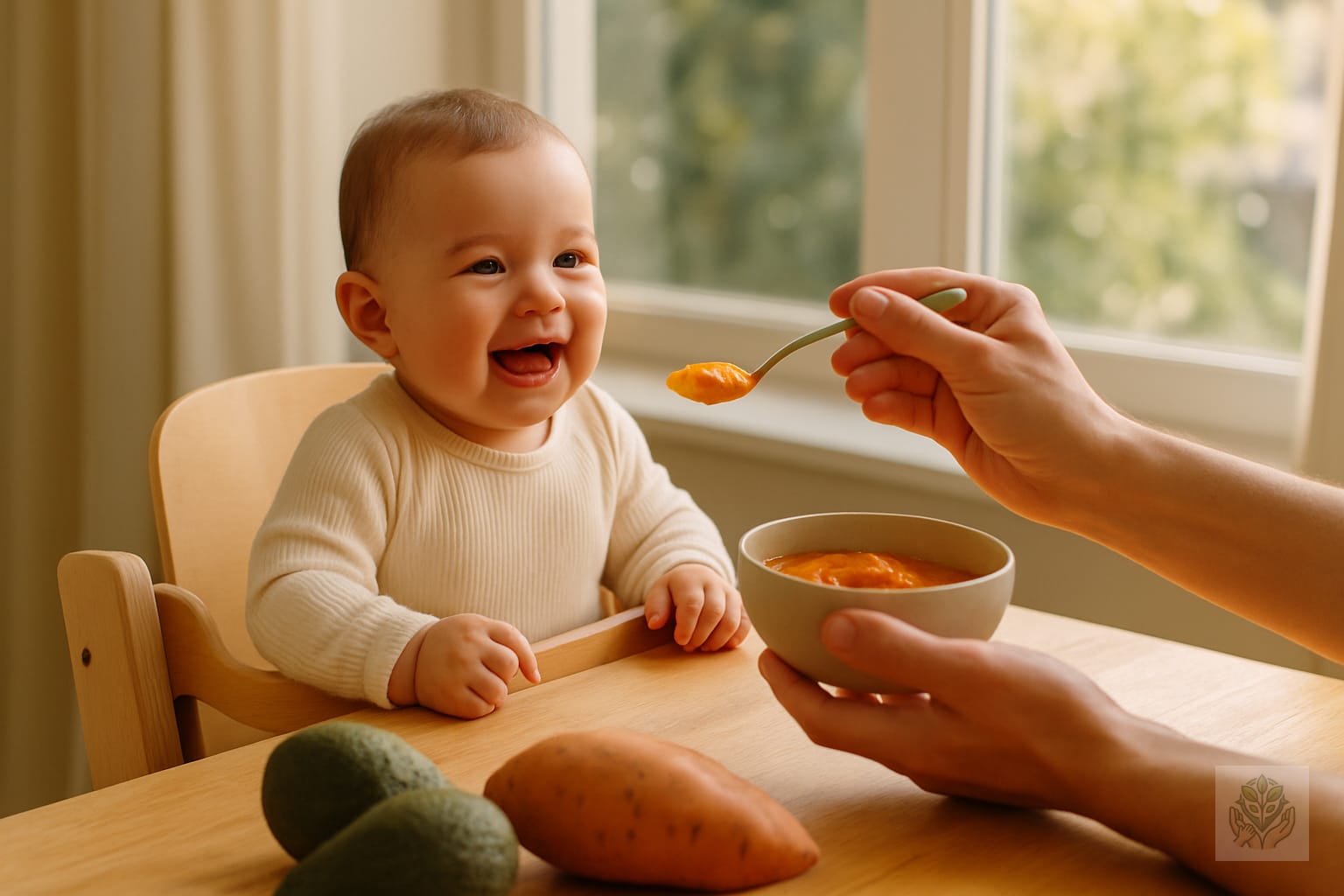
The Complete Guide to Introducing First Foods to Your Baby: When, How, and What to Feed
Transitioning your baby from a liquid-only diet to solid foods is one of the most exciting milestones in your parenting journey. It marks a shift toward independence and exploration, yet it often brings a mix of excitement and anxiety. Whether you are wondering how to navigate the messy high chair moments or questioning which ingredients are safest, understanding the basics is key to a smooth transition. If you are preparing for this, you may find everything you need to know before starting baby’s first foods helpful.
While experts often emphasize that food before one is just for fun, this phrase is meant to lower the pressure on parents. It reminds us that breast milk or formula remains the primary source of nutrition for your infant throughout their first year. Solids are a complementary addition, designed to introduce new textures, tastes, and the physical act of eating.
When to Start: Identifying the Signs Baby is Ready
The American Academy of Pediatrics recommends that most infants begin eating solid foods around six months of age. However, every child develops at their own pace. Before you reach for the baby spoon, look for specific developmental cues that indicate your baby is physically prepared to handle food.
Key developmental signs include:
- Sitting with minimal or no support.
- Good head and neck control, which is essential for swallowing safely.
- The disappearance of the tongue-thrust reflex, which causes infants to automatically push foreign objects out of their mouths.
- Showing interest in what you are eating, often by reaching for your plate or mimicking chewing motions.
If your baby is still pushing food out with their tongue or struggles to hold their head steady, they are likely not ready. It is better to wait a few weeks than to force the process, as their digestive system and motor skills need time to mature.
Choosing Your Approach: Purees vs. Baby-Led Weaning (BLW)
Modern parents have two primary paths when introducing first foods to your baby: traditional spoon-feeding with purees or Baby-Led Weaning (BLW). Both approaches can be successful, and many families choose a combination of both.
Traditional Purees
Spoon-feeding purees allows you to monitor exactly how much your baby consumes. It is often less messy and can be an effective way to introduce smooth textures. However, it can sometimes delay a baby’s experience with chewing and tongue-lateralization skills.
Baby-Led Weaning
BLW involves offering soft, finger-sized pieces of whole food that your baby picks up and feeds themselves. This encourages independence and can help with fine motor skill development. While it can be significantly messier, many parents find it enjoyable to watch their baby explore textures at their own pace.
Combo Feeding
Many families find that offering purees for breakfast and finger foods for dinner works best for their lifestyle. There is no right or wrong answer, provided your baby is safe and gaining weight steadily.
Best First Foods for Babies
When you start, focus on nutrient-dense options to support your baby’s rapid growth. Iron is a particularly important nutrient during this period, as natural stores from birth begin to deplete around six months. For a comprehensive look at how to nourish your growing infant, check out our guide on baby nutrition essentials for the first year.
Nutrient-dense options include:
- Iron-fortified infant oatmeal or cereal.
- Pureed or soft-cooked meats like beef or poultry.
- Mashed avocado, which is packed with healthy fats.
- Steamed and mashed root vegetables like sweet potatoes or carrots.
It is important to remember that added salt and sugar are unnecessary and should be avoided in the first year. Furthermore, never give honey to a baby under twelve months due to the risk of infant botulism, and steer clear of cow’s milk as a primary beverage until they reach their first birthday.
Safety First: Navigating Allergens and Choking
Safety is the most important aspect of feeding. Many parents worry about common allergens like peanuts, eggs, and dairy. Current guidelines suggest introducing these allergens early and often, rather than delaying them, to help reduce the risk of future food sensitivities. Always keep in mind the best practices to prevent common household accidents for babies as your little one starts to explore more independently.
When introducing a new allergen, offer it in a small amount and observe your baby for a few days before trying another new food. It is also vital to understand the difference between gagging and choking. Gagging is a natural, loud reflex that helps a baby move food forward in their mouth; it is a normal part of learning to eat. Choking is silent and prevents breathing, which requires immediate intervention. Always supervise your baby during every meal, avoid high-risk shapes like whole grapes or round hot dog slices, and never let them eat while reclining.
Creating a Baby Feeding Schedule
Start slow. Begin with one meal a day at a time that works best for your family—often when your baby is happy and alert. You might offer a small amount of solids about an hour after a breast milk or formula feed, ensuring they aren’t so hungry that they become frustrated. If you need help organizing your day, you can refer to our tips on baby meal planning from six to twelve months.
As your baby becomes more comfortable, you can gradually increase the frequency to two and eventually three meals a day. Consistency is helpful, but don’t stress if you skip a day due to naps or travel. The goal is to build a positive association with the family dinner table.
Helpful Gear for Starting Solids
You don’t need a kitchen full of gadgets, but a few basics will make the process easier. Invest in a stable high chair with a footrest, as a supported posture is critical for safe swallowing. Soft-tipped spoons are gentle on sensitive gums, while suction-based bowls or plates help prevent the inevitable “toss-the-plate” game. See our full recommendations for everything you need to know about choosing baby feeding accessories.
Because eating is a sensory experience, expect a mess. Have plenty of absorbent bibs on hand, and consider a large floor mat that you can easily wipe down. These simple tools will save you significant time and cleanup energy.
Conclusion
Introducing first foods to your baby is a journey meant to be explored together. Every baby will have their own preferences, and there will be days when they eat everything in sight and days when they turn their nose up at everything. Trust your instincts, follow your baby’s lead, and keep the environment relaxed. If you ever have concerns about growth, development, or reactions to food, reach out to your pediatrician. Above all, take photos and enjoy these messy, precious moments of discovery. For more advice, read about the essentials of baby nutrition to feel more confident throughout this transition.
Frequently Asked Questions
When is the right time for introducing first foods to your baby?
Most infants are ready around six months of age when they can sit with minimal support, have good head control, show interest in food, and lose the tongue-thrust reflex.
Should I choose purees or baby-led weaning?
Both purees and baby-led weaning are great options. Purees offer controlled spoon-feeding, while baby-led weaning encourages self-feeding and fine motor skills. Many parents combine both methods.
What are the best first foods for infants?
Nutrient-dense and iron-rich options are best, including iron-fortified baby oatmeal, pureed meats, mashed avocado, and steamed root vegetables like sweet potatoes.
When can I introduce common allergens like peanuts and eggs?
Current pediatric guidelines recommend introducing common allergens early and often, starting around six months, to help reduce the risk of developing food allergies.
How do I know the difference between gagging and choking?
Gagging is a normal, loud reflex that helps babies move food forward in their mouth. Choking is silent, prevents breathing, and requires immediate emergency intervention.
How much should my baby eat when starting solids?
In the beginning, solids are just for practice alongside breast milk or formula. Start with just a taste or one small spoonful once a day, gradually increasing as your baby grows.


