

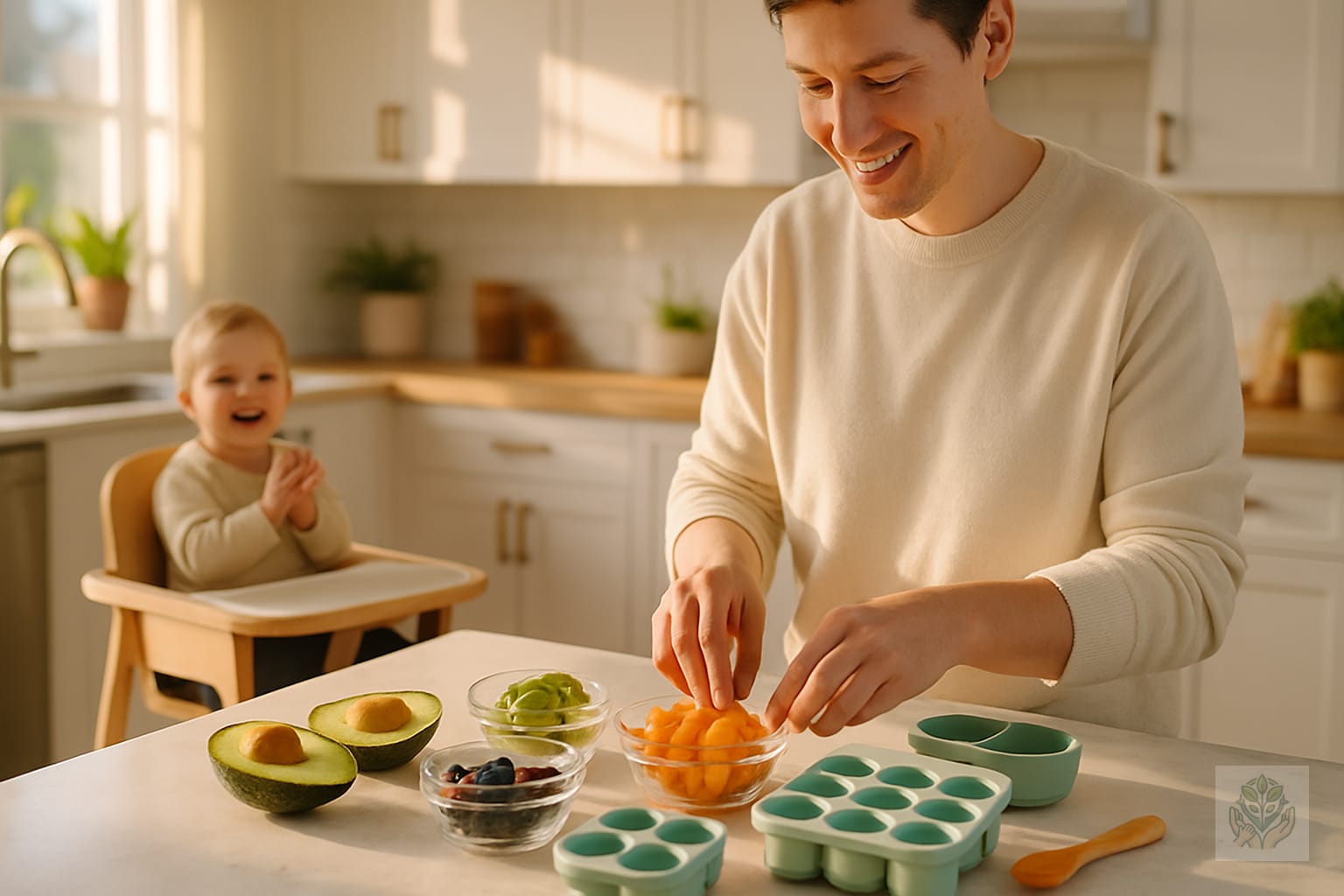
Complete Guide to Healthy Baby Recipes for Every Age: From First Bites to Toddler Meals
The first two years of your child’s life are a foundational period for growth and development. Establishing healthy eating habits during this time does more than just fill a belly; it helps shape your child’s palate and relationship with food for years to come. Providing nutritious, homemade baby food is one of the most loving gifts you can give your little one.
Before you begin your journey with healthy baby recipes, it is essential to ensure your child is ready. Most pediatricians recommend introducing solids around six months, though some infants show signs as early as four months. Look for key readiness cues: the ability to hold their head steady, sitting up with minimal support, and the loss of the tongue-thrust reflex, which causes them to push food out of their mouths. For a comprehensive overview, check out our guide on everything you need to know before starting baby’s first foods.
Understanding Baby Food Stages
Moving through food stages is a gradual process that mirrors your baby’s physical development. Understanding these milestones helps you transition from smooth purees to complex table foods safely. You can track this progression using our detailed baby nutrition essentials for the first year.
Stage 1 (4-6 months): Introduction to single-ingredient purees
At this early stage, the goal is exposure. You are introducing flavors and textures one at a time to monitor for any allergic reactions or digestive sensitivities.
Stage 2 (6-9 months): Combining textures and flavors
As your baby gains more control over their mouth, you can begin thickening the consistency of their meals. This is the perfect time to mix vegetables with grains or proteins.
Stage 3 (9-12 months): Finger foods and table food prep
Your baby is likely showing interest in self-feeding. Offer soft, easy-to-grasp finger foods that allow them to practice their pincer grasp, which is also a great time to introduce engaging indoor activities that improve fine motor skills for kids.
Toddlerhood (12+ months): Transitioning to family meals
By age one, most children can join the family at the dinner table. Focus on nutrient-dense meals that the entire household can enjoy together.
Essential Nutrients for Growing Babies
To support rapid brain and physical development, your baby requires specific nutrients. Iron is perhaps the most critical, as your baby’s natural stores begin to deplete around six months. Prioritize iron-rich foods like cooked lentils, beans, and iron-fortified cereals.
Healthy fats are equally vital for cognitive development. Incorporate sources of DHA and Omega-3 fatty acids, such as avocado, mashed fatty fish like salmon, or a drizzle of flaxseed oil on vegetables. Finally, ensure your baby receives adequate calcium for bone health and Vitamin D, often sourced through fortified dairy alternatives or as a pediatrician-recommended supplement.
Stage 1: The First Bites (4-6 Months) – Simple Purees
Your first foray into healthy baby recipes should be simple. Choose mild, easily digestible vegetables like sweet potatoes, carrots, or peas. Fruits like pear and banana are also excellent starter foods because they can be easily mashed into a smooth consistency.
When preparing these, steam the produce until fork-tender. Use a small amount of breast milk or formula to thin the mixture, which provides a familiar flavor and adds extra nutrients. Avoid adding salt or sugar to these early meals, as your baby needs to learn the true, subtle flavors of whole foods.
Stage 2: Exploring Textures (6-9 Months) – Thicker Mashes & Blends
Now that your baby has mastered the basics, it is time to expand their palate. Combine a protein, such as finely minced chicken or lentils, with a vegetable like carrots or spinach. This introduces a complexity of flavor that keeps mealtimes exciting. For more inspiration, see our tips on everything you need to know about planning healthy baby meals.
This is also a recommended window for introducing common allergens, such as peanut butter or finely ground egg. Introduce these one at a time, spaced several days apart, to ensure your baby tolerates them well. Always consult with your pediatrician before introducing high-allergen foods if there is a family history of food allergies.
Stage 3: Finger Food Fun (9-12 Months)
Self-feeding builds confidence and fine motor skills. Offer soft finger foods like steamed broccoli florets that are large enough for your baby to hold, or cubed tofu that is easy to gum. If you are exploring Baby-Led Weaning (BLW), focus on pieces that are roughly the size and shape of an adult finger.
Safety is paramount during this phase. Always supervise your baby while they eat and avoid known choking hazards such as whole grapes, popcorn, raw nuts, or hard, sticky chunks of fruit. Ensure all food is soft enough to be crushed between your own thumb and forefinger.
Stage 4: Toddler Table Foods (12+ Months)
Transitioning to the family table is a major milestone. For breakfast, consider oatmeal with mashed berries or scrambled eggs with mild cheese. Lunch and dinner should be well-balanced, including a lean protein, a complex carbohydrate, and a colorful vegetable.
Picky eating often emerges during this phase. Remember that it can take ten or more exposures before a child accepts a new food. Keep serving the vegetables, model healthy eating yourself, and avoid making mealtimes a battleground. If you encounter resistance, check out our advice on how to handle a child who refuses to listen. Consistency is the key to raising an adventurous eater.
Practical Tips for Success
Preparing healthy baby recipes doesn’t have to mean spending hours in the kitchen every day. Batch cooking is your best friend. Spend a Sunday afternoon steaming and pureeing large quantities of fruits and vegetables, then freeze them in silicone ice cube trays. Once frozen, pop the cubes into freezer-safe bags for easy portioning. You can find more efficiency tips in our guide to everything you need to know about homemade healthy baby recipes.
When it comes to produce, both fresh and frozen options are excellent choices. Frozen vegetables are often flash-frozen at the peak of ripeness, ensuring high nutrient density. Always wash fresh produce thoroughly and practice good sanitation in your kitchen by washing your hands and disinfecting high-chair trays frequently.
Conclusion
Raising a healthy eater is a marathon, not a sprint. By prioritizing whole foods and maintaining a positive, stress-free relationship with mealtimes, you are setting your child up for a lifetime of wellness. Always consult your pediatrician if you have concerns about your baby’s growth, intake, or specific dietary needs.
Ready to get cooking? Download our free printable baby food chart to track your little one’s progress and keep your kitchen organized. Your journey to healthy baby recipes starts today.
Frequently Asked Questions
When can I start introducing solid foods to my baby?
Most pediatricians recommend introducing solids around six months of age, though some infants show readiness signs as early as four months, such as sitting up with support and holding their head steady.
What are the key food stages for babies?
Baby food is typically divided into four stages: Stage 1 single-ingredient purees (4-6 months), Stage 2 thicker blends (6-9 months), Stage 3 finger foods (9-12 months), and toddler family meals (12+ months).
Which essential nutrients do growing babies need most?
Babies require iron for brain development and to replenish natural stores, healthy fats like Omega-3s for cognitive growth, calcium for bones, and Vitamin D for overall health.
How should I introduce common allergens to my baby?
Introduce common allergens like peanut butter or eggs one at a time during Stage 2, spacing them several days apart to monitor for any allergic reactions or sensitivities.
What are some safe finger foods for 9-12 month olds?
Safe finger foods include steamed broccoli florets, soft-cooked carrot sticks, cubed tofu, and ripe banana pieces that are large enough to hold and soft enough to mash between fingers.
How can I save time when making homemade baby food?
Batch cooking is ideal. Steam and puree large quantities of vegetables or fruits, freeze them in silicone ice cube trays, and transfer the frozen portions into labeled freezer-safe bags.


