

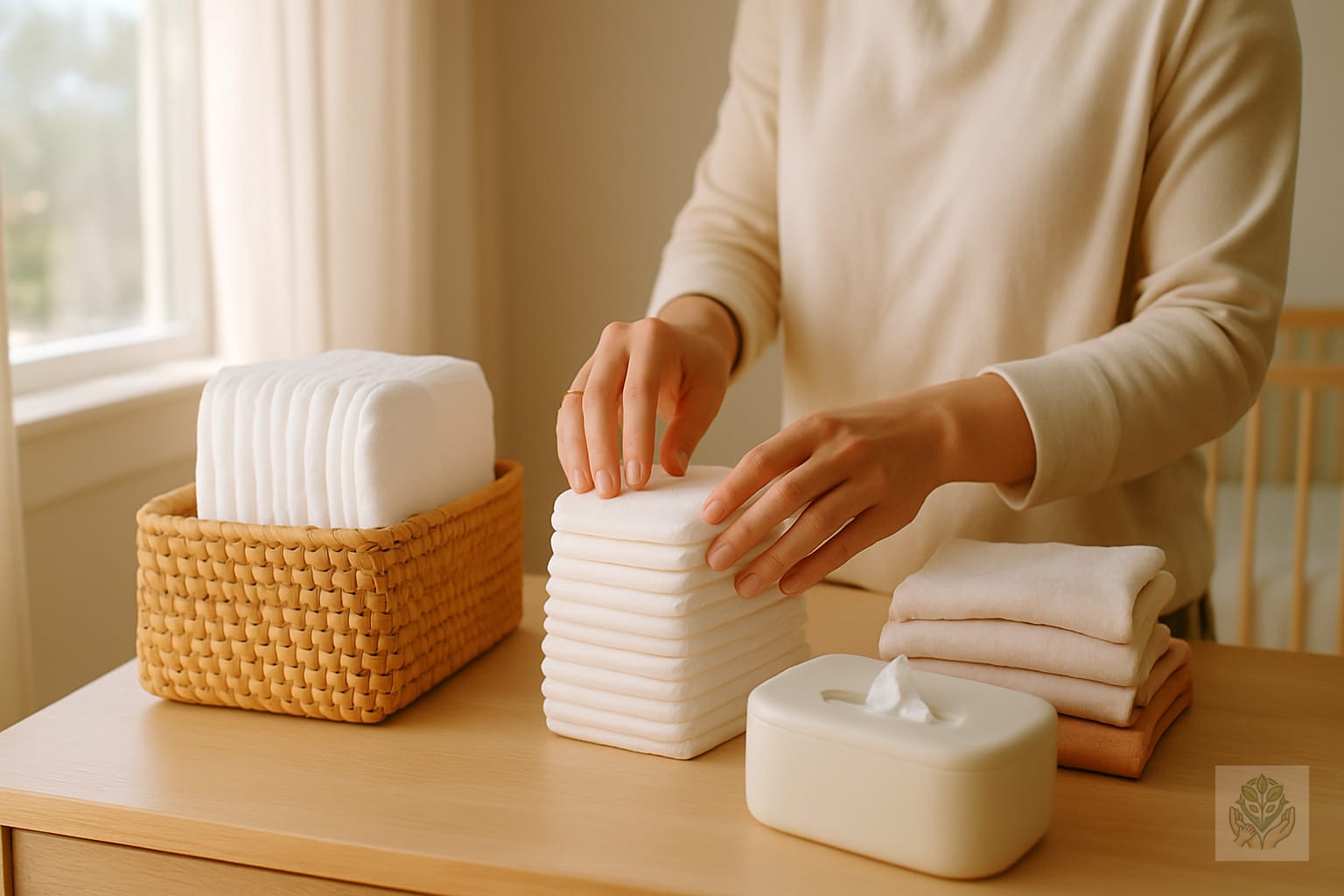
How to Prevent Diaper Leaks: The Ultimate Guide for Day and Night
If you are a parent, you have likely experienced the sudden, unwelcome discovery of a soaked onesie or wet crib sheets. The common frustration of diaper leaks is a rite of passage, but that does not mean you have to accept it as your new normal. Even with premium diaper brands, leaks can happen, often leaving parents scrambling for a solution in the middle of the night.
Understanding how to prevent diaper leaks is essential for maintaining your sanity and keeping your little one comfortable. In this guide, we will explore why these accidents occur and provide actionable tips to keep your baby dry and reduce the amount of laundry you have to do each week. For a comprehensive overview of routine tasks, check out our complete guide to baby diapering for new parents.
The Most Common Reasons for Diaper Leaks
Many parents assume that a leak is a failure of the diaper itself, but the issue is often related to sizing or application. Identifying the root cause is the first step toward dry nights and happy days.
Incorrect sizing: Too big vs. too small
Size charts are helpful, but they are not universal. If a diaper is too small, it will not have enough absorbent material to hold your baby’s output. Conversely, if the diaper is too big, there will be gaps around the legs and waist where liquid can easily escape. Always prioritize the weight range, but pay attention to the fit on your specific baby’s body type.
Improper application (the ‘ruffle’ check)
One of the most overlooked steps is checking the leg cuffs. After you secure the tabs, run your finger around the elasticized ruffles. They should be pulled outward, not tucked inside the diaper. If the ruffles are tucked inward, the diaper creates a channel for moisture to leak right onto your baby’s clothes.
Saturated diapers (capacity issues)
Sometimes, the diaper is simply full. Babies grow rapidly, and their fluid intake changes. If you are consistently finding a soaked diaper in the morning, your baby may have simply outgrown the absorbency capacity of their current daytime diaper.
Anatomy and movement: How baby’s shape affects fit
Every baby has a different body shape. A diaper that works perfectly for your friend’s chunky-thighed baby might leak on your long, lean baby. Pay attention to how your baby moves; an active crawler requires a different fit than a stationary newborn.
Daytime Diapering Success: Tips for Active Babies
Active babies are constantly on the move, which puts extra stress on the diaper’s seal. To ensure success, focus on the details of every diaper change.
- Master the ‘Leg Cuff’ flip: As mentioned, always sweep your finger around the leg holes to ensure the ruffle is facing outward.
- Ensure the waistband is snug but comfortable: You should be able to fit two fingers comfortably between the diaper and your baby’s belly. If the gap is wider, it is too loose.
- Watch for signs it is time to size up: If the tabs are reaching toward the edge of the diaper, if you see red marks on the skin, or if you are dealing with frequent leaks, it is likely time to move to the next size.
Nighttime Diaper Hacks: Getting Through the Night
Nighttime is when most parents face the biggest challenges. Longer stretches of sleep mean longer periods of time between changes, making overnight leaks a common occurrence. You can also explore our tips on how to help a child who fights bedtime to ensure your nights are as peaceful as possible.
Switching to overnight-specific diapers
Consider using diapers designed specifically for overnight use. These often feature extra absorbent polymers and enhanced leak guards to handle 10 to 12 hours of wetness. They are usually thicker than daytime versions and are specifically engineered for heavy wetters.
The ‘Booster Pad’ trick
If overnight diapers are not enough, you can try adding a diaper booster pad. These are thin, super-absorbent inserts that you place inside the diaper to provide an extra layer of protection without adding unnecessary bulk.
Layering tips for heavy wetters
Some parents find success in sizing up for the night, even if the baby is still in a smaller size during the day. A larger diaper provides more surface area for absorption. Additionally, ensure your baby is not wearing too many layers of clothing, which can trap heat and make the diaper feel less comfortable. Check out our guide on baby fitted sheets to ensure your crib setup is also comfortable.
Troubleshooting Specific Leak Patterns
The location of the leak often tells you exactly what is wrong with the fit or the usage.
Leaks out the back (the ‘blowout’ struggle)
Back leaks are often the result of the diaper being too low. Pull the back of the diaper up higher before securing the tabs. If the diaper is too low in the back, there is nowhere for fluid to go but up and out.
Leaks out the leg holes (gaps and fit issues)
Leg leaks usually point to a sizing issue or a failure to flip the leg ruffles. If the diaper feels secure but still leaks, your baby might have thin thighs, and you may need to try a different brand with more flexible elastic.
Leaks through the front (common in boy anatomy)
If you have a baby boy, make sure his anatomy is pointing downward when you fasten the diaper. If he is pointing upward, he will likely leak out the front waistband every single time.
Common Diaper Fitting Mistakes to Avoid
We all want to make the process quick, but small mistakes can lead to big messes. Avoid putting the diaper on too loose in anticipation of growth; a diaper should fit the baby as they are today. Additionally, do not ignore tab placement. If one side is significantly higher than the other, the diaper will be crooked and prone to gaps. Finally, avoid the urge to over-tighten, which can restrict blood flow and cause discomfort.
When to Contact a Pediatrician
While most leaks are just a laundry nuisance, persistent heavy wetness accompanied by other symptoms might warrant a call to your pediatrician. If you notice signs of skin irritation, persistent diaper rash, or if you are concerned about your baby’s hydration levels, always seek professional medical advice. For general hygiene and skin health, refer to our complete guide to baby skin care for new parents.
Conclusion
Learning how to prevent diaper leaks is a process of trial and error. By focusing on proper sizing, mastering the leg ruffle flip, and utilizing overnight-specific gear for longer stretches, you can reclaim your sleep and keep your baby dry. Remember that every baby is unique, and you will soon find the perfect combination of products and techniques that works for your family. If you want more tips for your newborn, read our complete roadmap to healthy newborn care from birth. Have a tried-and-true diaper hack? Share your tips in the comments below!
Frequently Asked Questions
Why does my baby leak out of their diaper every night?
Nighttime leaks usually happen because the diaper reaches its absorption capacity during long sleep stretches. Switching to a dedicated overnight diaper, sizing up for the night, or using a booster pad can help handle the extra fluid.
How do I stop leg leaks in diapers?
Leg leaks are typically caused by incorrect sizing or tucked-in leg ruffles. Always run your finger around the elasticized cuffs after fastening the diaper to ensure the ruffles are pulled outward, creating a proper seal.
Should I buy a bigger diaper size for overnight use?
Many parents find success in sizing up for the night because a larger diaper offers more absorbent surface area and better coverage, provided it still fits snugly around the waist and legs without large gaps.
Why is my baby boy leaking through the front of his diaper?
For baby boys, front leaks often happen because his anatomy is pointing upward when the diaper is secured. Always make sure to point his anatomy downward before fastening the tabs to prevent front waistband leaks.
How do I know if my baby’s diaper is too small?
Signs that a diaper is too small include frequent leaks, red marks on the skin, the diaper feeling overly heavy and saturated quickly, and the fastening tabs reaching toward the outer edges of the diaper.
How tight should a baby’s diaper be?
A diaper should fit snugly but comfortably. You should be able to fit two fingers between the waistband and your baby’s belly. Avoid over-tightening, which can cause discomfort, but ensure there are no loose gaps.


