

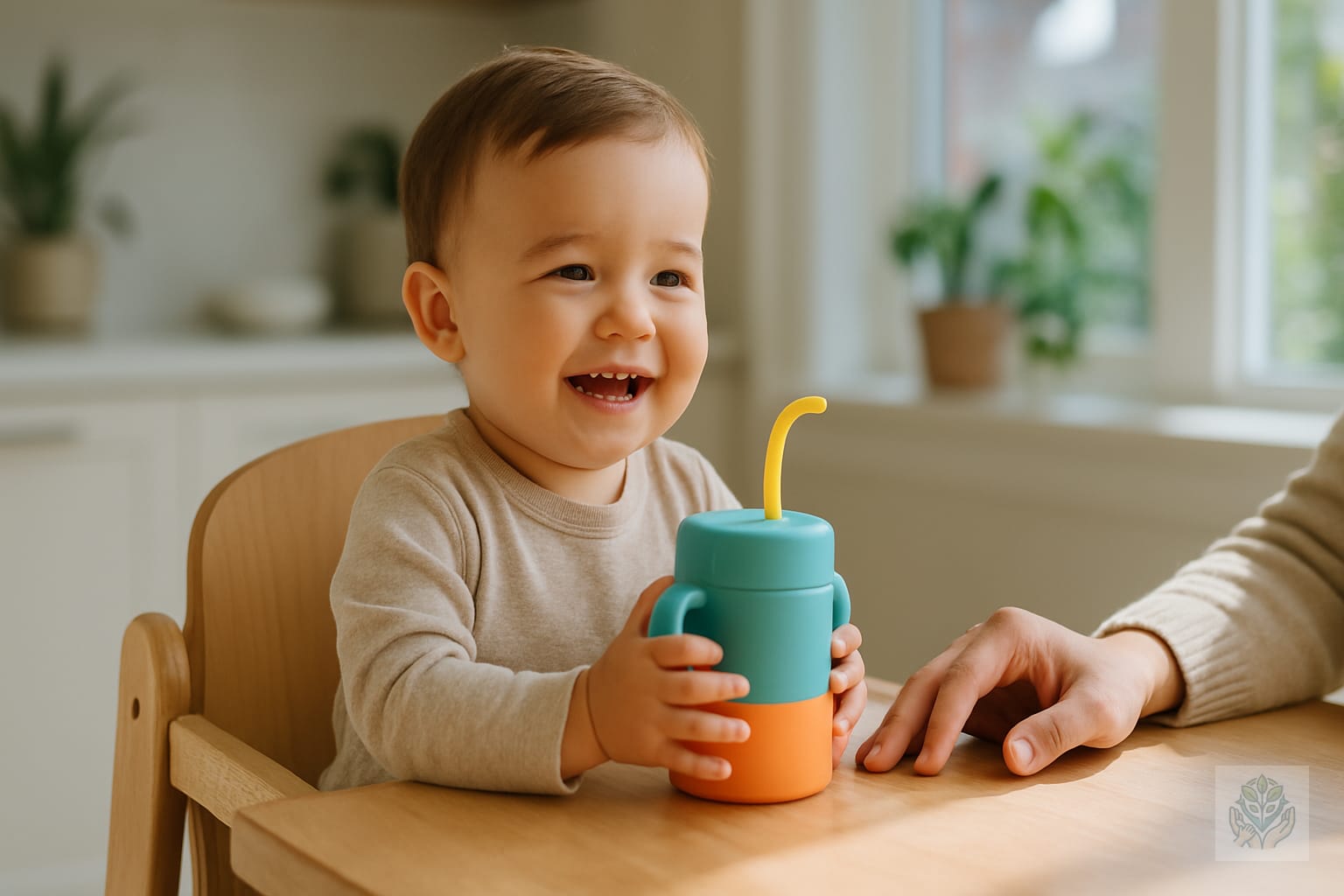
Straw Cups vs. Sippy Cups: Which Is Better for Your Toddler?
Transitioning away from the bottle is a major milestone in your little one’s development. As your baby grows, the search for the perfect transition cup begins. You have likely walked down the baby aisle and felt overwhelmed by the endless options of spouts, valves, and handles. When deciding between straw cups vs. sippy cups, it is important to understand that this is more than just a convenience choice—it is a decision that impacts your child’s long-term oral motor development and speech patterns.
Many parents gravitate toward the traditional hard-spouted sippy cup because of its leak-proof design and familiarity. However, pediatric professionals, including speech pathologists and dentists, are increasingly recommending alternatives. Choosing the right cup is an essential step in fostering healthy habits that last a lifetime. Let’s explore the differences and why the experts tend to favor one over the other. You may also want to check out our guide on choosing baby feeding accessories to ensure you have the best tools for mealtime.
What is a Sippy Cup? (Pros and Cons)
A sippy cup is generally defined by its spouted lid, which often includes a valve to prevent spills. These cups were designed primarily to bridge the gap between a bottle and an open cup, offering a mess-free experience for busy parents and toddlers on the move. They are incredibly convenient and durable, making them a staple in many diaper bags.
However, the convenience comes with a trade-off. Traditional sippy cups often encourage a suckling pattern similar to a bottle or a pacifier. This motion pushes the tongue forward rather than allowing it to rest in a more mature, retracted position. Over time, this can influence speech development and potentially lead to orthodontic issues. While they are not inherently harmful for occasional use, relying on them as a primary source of hydration can perpetuate immature swallowing patterns.
What is a Straw Cup? (Pros and Cons)
Straw cups come in various styles, from weighted straws that allow your child to drink at any angle, to simple silicone straw designs. Unlike the spouted sippy cup, a straw requires a different set of muscle movements. It encourages the lips to seal around the straw and the tongue to retract, which are foundational skills for speech and effective swallowing.
Pediatric professionals often celebrate the straw cup because it promotes the development of the oral motor skills necessary for eating a variety of food textures. It is an active exercise for the mouth. While some parents worry that straw cups might leak, many modern designs feature high-quality valves that offer the same spill-proof benefits as traditional sippy cups without the developmental downsides.
The Verdict: Why Straw Cups Usually Win
When comparing straw cups vs. sippy cups, straw cups usually win from a developmental standpoint. The act of drinking from a straw engages the cheeks, lips, and tongue in a way that mimics the mechanics of drinking from an open cup. This helps prepare the toddler for the ultimate goal: transitioning to a regular glass or plastic cup.
Beyond motor skills, there is the dental factor. Prolonged use of spouted cups can sometimes contribute to dental misalignments. By encouraging a mature swallow through straw use, you are supporting your child’s natural oral development. This simple switch can pay dividends for your child’s speech articulation and dental health, making the minor learning curve of teaching a baby to use a straw well worth the effort. For more development tips, read our article on hand strengthening activities for preschoolers which can also assist in building fine motor control.
How to Transition Your Toddler
Most children are ready to start moving away from the bottle between 6 and 12 months of age. If your little one can sit upright and shows an interest in your drinks, they are likely ready to start practicing with a straw cup. If you are also starting solids, review our ultimate guide to baby’s first foods to keep your transition period smooth.
To teach your baby to use a straw, try these steps:
- Use a straw to pick up a small amount of water or breastmilk, then place your finger over the top to trap the liquid.
- Place the straw tip in your child’s mouth and release your finger so a tiny drop falls onto their tongue.
- Repeat this until they understand the sensation of the straw.
- Once they master this, they will naturally begin to suck to pull the liquid up themselves.
If you are currently using a traditional spout, try replacing it during one mealtime per day. Gradually increase the frequency until your child is exclusively using the straw cup or an open cup. Consistency is the key to helping them adapt to the new flow and mouth position.
What to Look for When Buying Transition Cups
Not all cups are created equal. When browsing for the best options, keep safety and functionality at the forefront of your mind. Always look for BPA-free, PVC-free, and phthalate-free materials. Silicone is a favorite choice because it is soft on developing gums and teeth.
Ease of cleaning is another critical factor. Mold loves to grow in the nooks and crannies of complex valves, so choose cups that are easy to disassemble and dishwasher safe. A durable, leak-proof design will ensure you aren’t spending your day wiping up spills, while a weighted straw will make it easier for your toddler to drink comfortably while sitting in their high chair or playing on the floor. Check out our ultimate guide to baby safety for more tips on choosing non-toxic gear.
Common FAQs
Is it ever okay to use a traditional sippy cup? Yes, occasional use of a spouted cup is not cause for alarm. The goal is to avoid it becoming the primary way your child consumes liquids throughout the day.
Do straw cups cause cavities? Cavities are typically caused by prolonged contact with sugary liquids. Whether it is a straw cup or a bottle, it is best to put only water in the cup throughout the day to protect your child’s tooth enamel. If you are struggling with daily habits, our guide on teaching children good hygiene habits offers great advice.
When should my child transition to an open cup? Most pediatricians recommend introducing an open cup around 12 to 18 months. You can start practicing with small sips of water during mealtime long before that to get them comfortable with the process.
Conclusion
Navigating the world of transition cups can feel like a daunting task, but understanding the benefits of straw cups vs. sippy cups makes the decision much clearer. By choosing a straw cup, you are actively supporting your toddler’s oral motor development, setting them up for better speech outcomes, and paving the way for an easier transition to an open cup. Remember that every child develops at their own pace, so be patient with your little one as they master these new skills. With the right tools and a little bit of practice, you will successfully navigate this milestone together. You can also explore our daily routine for kids guide to help manage other developmental milestones effectively.
Frequently Asked Questions
Is it ever okay to use a traditional sippy cup?
Yes, occasional use of a spouted cup is completely fine. The main goal is to avoid letting it become the primary way your child consumes liquids throughout the day to protect their oral development.
Do straw cups cause cavities?
Cavities are typically caused by prolonged contact with sugary liquids. To protect your child’s tooth enamel, it is best to fill their transition cups only with water throughout the day.
When should my child transition to an open cup?
Most pediatricians recommend introducing an open cup around 12 to 18 months of age. You can start practicing with small sips of water during mealtime early on to help them get comfortable.
Are straw cups hard to clean?
Some straw cups can have complex valves, but many modern brands offer dishwasher-safe parts and easily removable silicone straws to prevent mold and make daily cleaning simple and quick.
When can my baby start using a straw cup?
Most babies are ready to practice with a straw cup between 6 and 12 months of age, provided they can sit upright independently and show interest in drinking from adult cups.
Why do speech therapists prefer straw cups over sippy cups?
Speech therapists prefer straw cups because they encourage lip sealing and tongue retraction, which build the crucial oral motor and muscle skills needed for proper speech articulation.


