

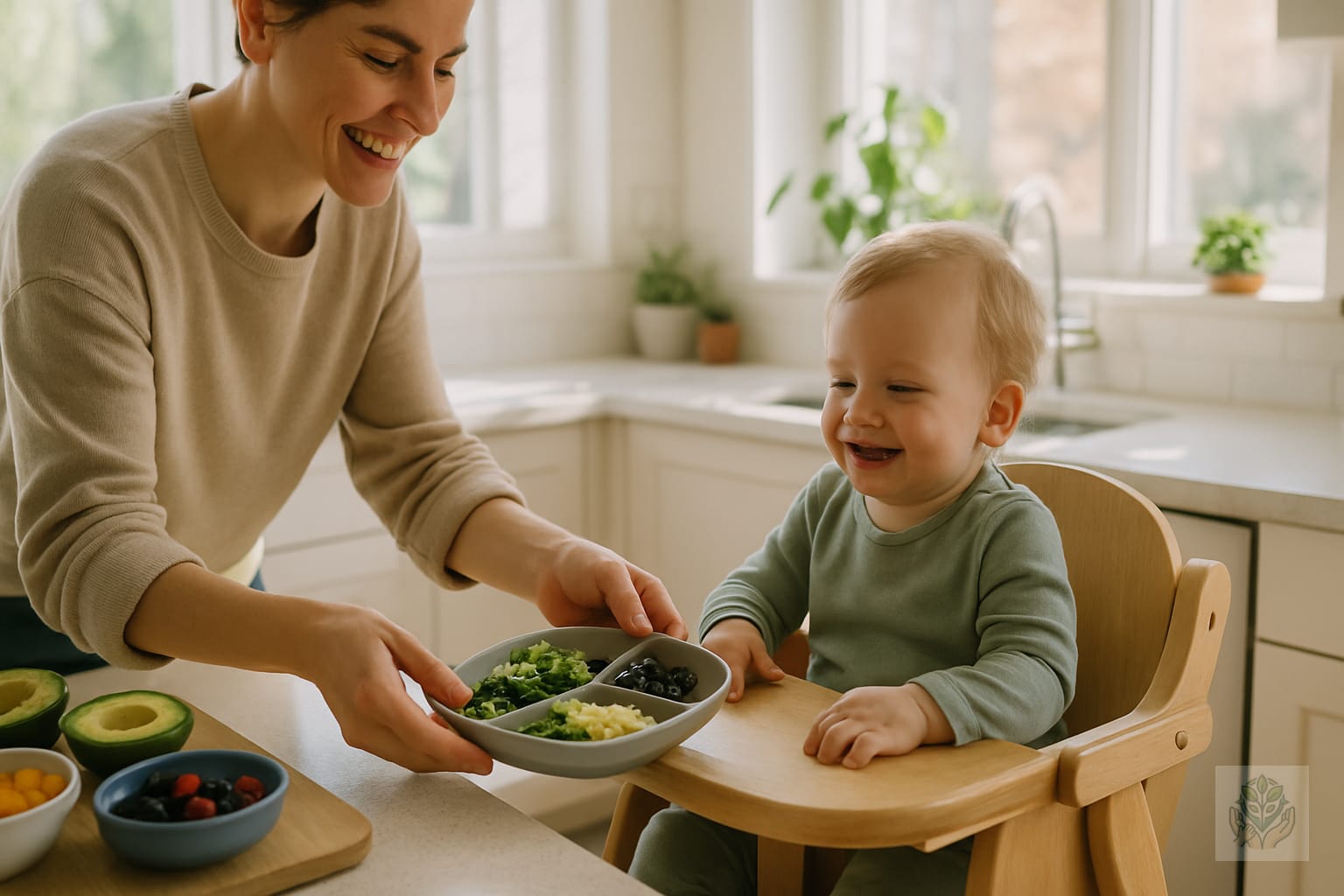
The Ultimate Age-Wise Baby Meal Planning Guide: From First Bites to Toddlerhood
Navigating the transition from liquid nourishment to solid foods is one of the most exciting milestones in parenthood. However, it can also be a source of significant anxiety. Creating an age-wise baby meal planning guide helps demystify the process, ensuring your little one receives the essential nutrients they need while developing healthy lifelong eating habits.
A structured approach to infant nutrition is not about perfection; it is about providing consistent exposure to a variety of flavors and textures. By understanding when and how to introduce new foods, you can confidently steer your baby through the various stages of development. Whether you are a first-time parent or a seasoned pro looking for a refresher, this guide will serve as your roadmap to success.
Phase 1: Getting Started (4–6 Months)
Most pediatricians recommend starting solids around six months, but some babies show signs of readiness slightly earlier. Before you pull out the high chair, look for key developmental markers. Your baby should be able to sit with minimal support, display good head and neck control, and show a genuine interest in your food by reaching out or watching you eat.
When it comes to the approach, you have two main options: traditional purees or Baby-Led Weaning (BLW). Purees allow for easy digestion and spoon-feeding, while BLW encourages babies to explore textures and self-regulate their intake by handling whole pieces of soft food. Both methods are effective as long as you prioritize iron-rich foods. Your baby’s iron stores from birth begin to deplete around this age, making foods like iron-fortified cereals, mashed lentils, or pureed meats excellent starting points. Learn more in our guide before starting baby’s first foods.
Phase 2: Expanding the Palate (6–9 Months)
Once your baby has mastered a few single-ingredient purees or soft finger foods, it is time to expand their palate. This stage is critical for flavor development. Introduce a wider range of vegetables, fruits, and grains. The goal here is to shift from single-ingredient meals to simple combinations that offer a complete nutritional profile.
As you introduce variety, you may be concerned about food allergies. The current consensus among pediatric experts is to introduce high-allergen foods, such as peanut butter (thinned or mixed into oatmeal), eggs, and dairy, early and often. Always observe your baby for any reaction after introducing a new allergen. Regarding hydration, breastmilk or formula remains the primary source of nutrition, but offering small amounts of water in an open cup or straw cup helps your baby develop motor skills. If you are looking for the right tools, check out our guide on the best sippy cups for babies learning to drink.
Phase 3: Building Independence (9–12 Months)
By nine months, many babies are ready to transition toward eating what the rest of the family eats. You can begin chopping food into bite-sized, manageable pieces rather than just pureeing. Focus on including healthy fats like avocado, olive oil, and full-fat yogurt, as these are essential for brain development during this rapid growth phase.
This is also a great time to stabilize your feeding schedule. Aim for three meals a day with the inclusion of one or two nutritious snacks as the baby’s appetite increases. If your baby seems interested in the family dinner table, let them sit with you. Modeling healthy eating behavior is one of the most effective ways to raise an adventurous eater. Remember, they are still learning, so keep portions small and expectations realistic. See our baby meal planning guide for six to twelve months for more practical ideas.
Phase 4: The Toddler Transition (12–24 Months)
Congratulations, you have reached the toddler phase! At this point, breastmilk or formula is no longer a nutritional necessity, and most toddlers transition to whole cow’s milk or a fortified plant-based alternative. Your child is becoming more active, requiring more energy-dense meals to sustain their constant movement.
Picky eating often surfaces during this period as toddlers assert their independence. Do not be discouraged if your child refuses a food they previously enjoyed. The key is to keep offering a variety of choices without pressure. The more you normalize different foods without making them a battleground, the more likely your toddler is to eventually try them. Consistency in your routine is your best ally in managing these challenging behaviors. You can find more tips in our guide on managing everyday behavior challenges in kids.
Safety First: Crucial Guidelines
Safety is the cornerstone of any effective baby meal planning guide. Choking is a common fear, so always ensure foods are soft, squishable, and cut into appropriate shapes. Avoid round, hard items like whole grapes, cherry tomatoes, or large chunks of meat, as these are high-risk choking hazards.
There are also specific items to avoid strictly before your child turns one. Honey, for instance, carries a risk of infant botulism. Additionally, do not add salt or sugar to your baby’s meals; their kidneys are still developing, and they do not need the extra sodium or processed sweeteners. When preparing meals in advance, follow food safety guidelines by cooling and refrigerating food immediately and using it within 48 hours, or freezing it for long-term storage. For more protection, review our ultimate guide to baby safety.
Expert Tips for Stress-Free Meal Prep
The secret to successful feeding is the one-meal philosophy. Instead of cooking separate meals, modify a portion of your own dinner to suit your baby’s stage—perhaps by mashing their portion or leaving out the added salt. This saves time and encourages the baby to appreciate family flavors.
If you have a hectic schedule, embrace batch cooking. Dedicate an hour on the weekend to prepare batches of healthy staples like steamed veggies, roasted sweet potatoes, or lentil mixtures. Use silicone ice cube trays to freeze individual portions, which can be popped out and warmed up in seconds during the week. By staying organized, you reduce the temptation to rely on pre-packaged snacks, ensuring your child gets the best nutrition possible even on your busiest days. Discover more in our guide on homemade healthy baby recipes.
Conclusion
The journey from first bites to toddlerhood is a marathon, not a sprint. Take comfort in knowing that your baby does not need to eat perfectly every single day. Focus on the weekly view rather than the daily intake. If you have any concerns regarding growth, severe allergies, or feeding difficulties, your pediatrician is always your best resource for personalized guidance.
You are doing a fantastic job guiding your child through these formative experiences. Embrace the mess, celebrate the new flavors, and enjoy this special time of discovery with your little one. For a comprehensive starting point, download our printable meal planning template and checklist to keep your kitchen organized and your baby well-fed.
Frequently Asked Questions
When should I start giving my baby solid foods?
Most pediatricians recommend starting solids around six months of age when your baby can sit with minimal support, has good head control, and shows interest in food.
What is the difference between purees and baby-led weaning?
Purees involve spoon-feeding smooth or mashed foods, while baby-led weaning allows infants to self-feed soft, manageable pieces of whole food, promoting motor skills.
When can I introduce high-allergen foods?
Current medical guidelines suggest introducing common allergens like peanuts, eggs, and dairy early and often, starting around six months, while watching for any adverse reactions.
How many meals should a nine-month-old baby eat?
By nine months, babies typically eat three meals a day along with one or two small, nutritious snacks, alongside breastmilk or formula.
What foods should I avoid giving my baby before one year?
You should strictly avoid giving honey due to the risk of infant botulism, as well as added salt, sugar, and high-risk choking hazards like whole grapes.
How can I simplify baby meal prep during a busy week?
Practice batch cooking on weekends, freeze individual portions in silicone ice cube trays, and adopt the one-meal philosophy by modifying family dinners for your baby.


