

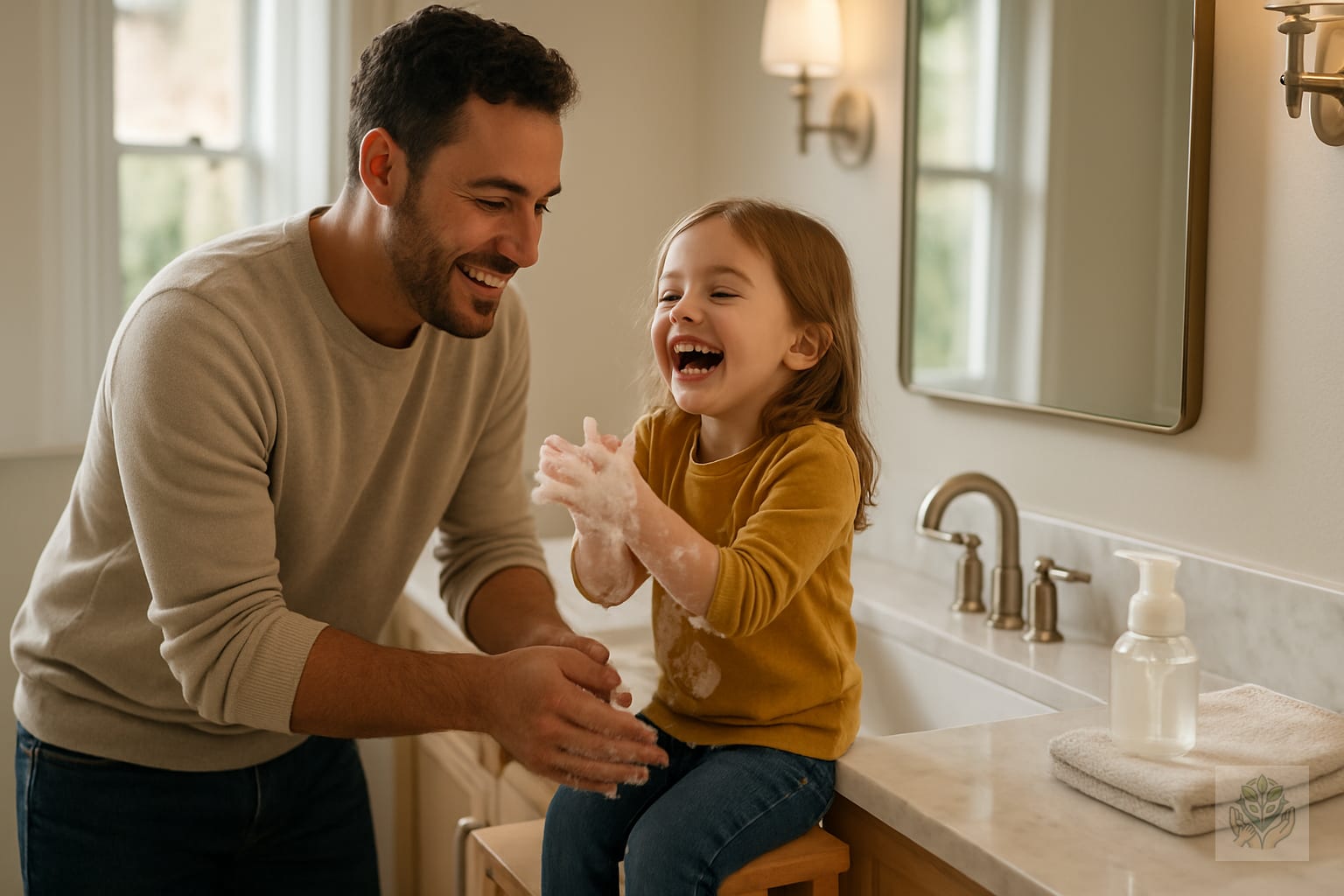
Handwashing for Kids: A Simple Guide for Parents
Introduction
As parents, we are constantly navigating the challenges of keeping our children healthy. Whether it is flu season or just the standard cycle of daycare colds, we all want to protect our little ones from unnecessary illness. When it comes to preventative care, the most effective tool in your arsenal is surprisingly simple: handwashing for kids. It is the number one defense against the spread of common germs that lead to illnesses like the common cold, the flu, and stomach bugs.
While the concept of washing hands seems basic, the reality of getting a toddler or young child to scrub their hands effectively is often a different story. Many parents view it as a daily chore that results in wet sleeves, puddle-filled bathrooms, and arguments. However, shifting the perspective from a forced chore to a fun, essential life skill can transform the way your child views hygiene. In this guide, we will explore practical, expert-backed strategies to turn handwashing into a seamless part of your child’s daily routine.
The Science of Clean: Why Handwashing Matters for Kids
Schools, daycares, and playdates are social environments where children constantly touch shared surfaces—toys, tabletops, and doorknobs. Because children are still learning about hygiene, they frequently touch their faces, eyes, and mouths before they have had a chance to clean their hands. This creates an easy pathway for bacteria and viruses to enter their systems.
By prioritizing hygiene habits early on, you can significantly reduce the frequency of sick days for your entire household. When children learn to wash their hands properly, they act as a buffer, preventing the transmission of germs from the classroom to the home. It is a small investment of time that pays off in fewer doctor visits and a healthier family overall. For more support, read our complete guide on teaching good hygiene habits.
When Should Children Wash Their Hands?
Consistency is key to forming a habit. Rather than just telling your child to wash up when they look dirty, try to build healthy habits around specific transition points in the day. These are the moments when exposure to germs is highest.
- Before and after eating meals or snacks.
- After using the bathroom.
- Immediately upon returning home from school, daycare, or the park.
- After petting animals or playing outside.
- After sneezing, coughing, or blowing their nose.
Integrating these moments into your family schedule—perhaps by saying, “We always wash our hands before we sit at the table”—takes the guesswork out of the process. Over time, this becomes second nature, and your child will begin to do it without needing a reminder. Discover how to encourage independent hygiene habits through consistent practice.
The 5-Step Handwashing Method (Simplified for Kids)
To teach children effective hygiene practices, break the process down into simple, memorable steps. Use the following five steps to guide them through the process until they can do it independently:
- Wet: Start by turning on the water and wetting the hands thoroughly.
- Lather: Apply soap and work it into a good foam, covering the fronts, backs, and between the fingers.
- Scrub: Spend at least 20 seconds scrubbing. This is the most crucial step for removing germs.
- Rinse: Rinse away all the soap and suds under clean, running water.
- Dry: Use a clean towel to dry hands completely, as germs travel more easily on wet skin.
If your child is a visual learner, consider creating a colorful chart to hang near the bathroom sink. Seeing the steps depicted in pictures helps children feel more in control of the process.
Creative Ways to Teach Handwashing
Making handwashing for kids engaging is the secret to getting them to actually participate. If you make it fun, they will want to do it.
Top 5 Fun Handwashing Songs
Since children should scrub for at least 20 seconds, singing a song is the easiest way to keep time. Try singing the “Happy Birthday” song twice, or use classics like “The ABCs” or “Twinkle, Twinkle, Little Star.” Keeping the time fun ensures they scrub long enough.
The Glitter Experiment
If your child is skeptical about why they need to wash, put a tiny bit of glitter on their hands and have them try to wash it off with water only. Then, have them use soap. They will see immediately that soap is necessary to remove the “germs” effectively. You can also explore engaging screen-free water activities to make water-based play a positive experience for your child.
Sensory-Friendly Options
Some children are sensitive to textures or smells. If your child dislikes the smell of traditional soaps, try fruit-scented options or foaming soaps, which are often easier for little hands to manage than thick gels.
Troubleshooting Common Handwashing Challenges
Even with the best intentions, you may run into resistance. If your child is afraid of loud, automatic hand dryers in public restrooms, carry a small pack of paper towels or tissues so they can dry their hands manually. If they rush the scrub time, use a sand timer or a digital timer on your phone to turn it into a game. If you find they are resistant to listening, our guide on strategies for children who refuse to listen can provide further help.
Frequent handwashing can sometimes lead to dry, cracked skin, which may make your child avoid the sink. Keep a gentle, fragrance-free moisturizer near the sink and make applying it part of the “post-wash” ritual. This teaches them that caring for their skin is just as important as cleaning it.
Hand Sanitizer: When Is It Safe to Use?
While soap and water are the gold standard for cleaning, an alcohol-based hand sanitizer is a great backup when you are on the go. However, remind your child that sanitizer is not a complete replacement for washing. It does not remove dirt or debris and is less effective when hands are visibly soiled. Always supervise younger children during application to ensure they do not ingest the product.
Conclusion
Ultimately, your children learn healthy hygiene habits by watching you. When you wash your hands consistently and openly, you set a standard that they will naturally want to follow. Remember that teaching handwashing for kids is a process, not a destination. Be patient, offer praise for their efforts, and keep the tone light. By focusing on consistency rather than perfection, you are giving your child the tools they need to stay healthy for years to come. For more ways to support their growth, check out our tips on positive parenting habits.
Frequently Asked Questions
Why is handwashing so important for kids?
Handwashing is the number one defense against the spread of common germs, preventing illnesses like colds, the flu, and stomach bugs.
How long should children wash their hands?
Children should scrub their hands with soap for at least 20 seconds, which is about the time it takes to sing the ABC song.
When should kids wash their hands?
Kids should wash their hands before and after eating, after using the bathroom, coming home from school, and playing outside.
What are the five steps of handwashing?
The five steps are wet, lather with soap, scrub for 20 seconds, rinse thoroughly under running water, and dry completely with a clean towel.
Is hand sanitizer a good substitute for soap and water?
Hand sanitizer is a great backup when you are on the go, but it does not remove dirt and is less effective than soap and water.
How can I stop my child’s hands from getting dry?
Frequent washing can dry out skin. Keep a gentle, fragrance-free moisturizer near the sink and apply it after drying their hands.


