

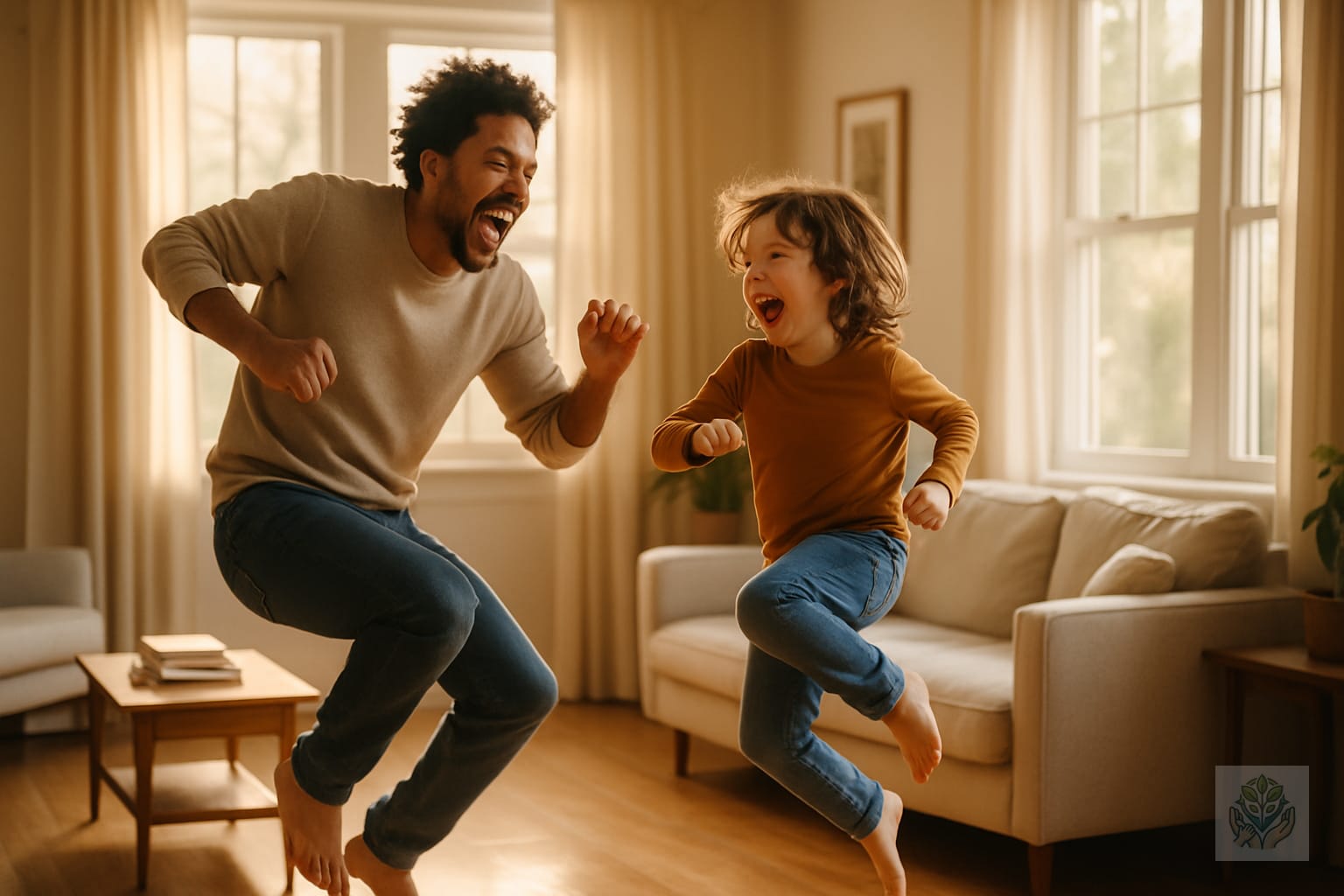
10 Fun Dance Activities That Help Kids Stay Active and Build Confidence
In our modern, screen-dominated world, finding ways to keep children physically active can feel like an uphill battle. Between tablets, gaming consoles, and streaming services, the lure of the couch is often stronger than the call of the backyard. However, there is a simple, rhythmic solution that transforms exercise from a chore into a celebration: dance.
Using 10 fun dance activities that help kids stay active and build confidence is one of the most effective ways to encourage movement without making it feel like a workout. Dance is essentially a stealthy form of cardiovascular exercise disguised as play. When children lose themselves in the music, they are not counting minutes or miles; they are simply having a blast while improving their physical coordination, heart health, and emotional well-being.
Why Dance is the Ultimate Kid-Friendly Cardio
Dance is far more than just jumping around to a beat. It is a complex developmental tool that engages the mind and the body simultaneously. When children move to music, they are actively developing their gross motor skills, learning how to balance, jump, leap, and shift their weight with control. You can find more ideas in our 15 easy movement activities for kids at home to burn energy.
Beyond the physical benefits, the connection between music and rhythm has profound effects on brain development. Research suggests that music activates the brain’s motor and auditory circuits, which helps improve pattern recognition and cognitive processing. Furthermore, dance provides a safe space for self-expression. In a world where kids are often told to sit still and be quiet, dance gives them permission to take up space and express their personality, which is a massive boost for their self-esteem.
5 Easy Dance Activities for Kids at Home
You do not need a professional studio or expensive equipment to start dancing today. Here are five simple, high-energy activities to get your living room rocking.
1. Freeze Dance
This is a classic for a reason. Play a high-energy song and let the kids dance their hearts out. When you pause the music, they must freeze in their current position. This game is fantastic for teaching impulse control and body awareness as they struggle to hold that awkward pose until the music starts again.
2. The Follow the Leader Dance Train
Line up and have a leader perform a specific dance move—perhaps a silly hop, a wiggle, or a high-knee march—while everyone else mimics them. Switch leaders frequently so every child gets a turn to be the choreographer.
3. Mirror, Mirror
Pair up your children or join in yourself. Stand face-to-face and try to copy each other’s movements in perfect synchronicity. This builds focus and coordination as children learn to observe and match the movements of their partner.
4. Animal Movement Dance
Put on a track and call out different animals. If you yell monkey, they have to swing their arms. If you say snake, they have to slither on the floor. This encourages creative movement and uses different muscle groups throughout the body.
5. DIY Dance Routine
Encourage your kids to choreograph their very own 30-second dance routine to their favorite pop song. Once they have practiced it, hold a little performance in the living room. Giving them creative control empowers them and makes the activity feel like a special event. For more ways to build lasting family memories, check out our guide to 50 family bonding ideas for creating lasting memories together.
Organized Dance Options for Social Engagement
While home dance sessions are wonderful for daily activity, organized classes offer unique social benefits. Joining a local dance studio allows children to learn discipline, teamwork, and the value of practice in a structured environment. Styles like Ballet offer grace and posture, Hip-Hop builds rhythm and confidence, and Jazz focuses on energy and expression. If you are struggling with keeping them on track, our daily routine for kids by age 1–6 years complete guide can help.
If you are not ready for a weekly commitment, explore virtual options. YouTube is packed with high-quality, kid-friendly dance tutorials and channels like GoNoodle, which specialize in short, active brain breaks for children of all ages. These resources are perfect for rainy days when outdoor play is not an option. You can also explore 15 engaging indoor activities that improve fine motor skills for kids for more rainy day inspiration.
Setting the Stage: How to Make Dance Time Exciting
To turn a boring afternoon into a high-energy dance party, you need to set the scene. Start by curating a playlist of songs that are upbeat, positive, and age-appropriate. When the music is high-energy, it is impossible not to move.
Next, use props to keep things fresh. Hand out silk scarves, ribbons, or even DIY glow sticks to add a visual layer to the experience. Finally, define your space. Even if it is just moving the coffee table aside, creating a designated dance floor tells your child that this time is dedicated to movement and fun.
Overcoming Resistance: Tips for Reluctant Movers
Some children might be shy or feel self-conscious about their dance moves at first. The best way to break the ice is to model the behavior yourself. If they see you dancing—even if you are being silly or doing the ‘dad dance’—they will realize that judgment is not a part of this activity. It makes dancing feel safe and ‘cool.’ You can also use 7 positive parenting habits for raising confident and caring kids to help encourage them gently.
If your child is still resistant, keep the sessions short. Ten-minute bursts of movement are often more effective than a long, drawn-out session that feels like a requirement. Focus entirely on fun, joy, and laughter. If they feel like they are being graded on their technique, the fun will evaporate instantly. Keep the pressure low and the spirits high. If you need to manage screen time while they dance, check out our guide on how parents can manage screen time at home.
Conclusion
Incorporating dance into your child’s daily routine is about so much more than physical exercise. It is about fostering a lifelong relationship with movement, building confidence, and creating memories of joy and laughter within your family. By using these 10 fun dance activities that help kids stay active and build confidence, you are setting the stage for healthier habits that will last a lifetime.
Why not start tonight? Clear a space in the living room, crank up the speakers, and invite your children to join you for an impromptu family dance party. We would love to hear from you. What is that one special song that gets your whole family moving every single time? Share your favorite family dance anthem in the comments below!
Frequently Asked Questions
How do dance activities help kids stay active?
Dance combines cardio exercise with play, making it fun for kids to burn energy while improving their strength, flexibility, and cardiovascular health without feeling like they are working out.
What age is appropriate to start dance activities for kids?
Toddlers and young children can start participating in simple movement and rhythm games as soon as they can walk and follow basic instructions.
How can I encourage a shy child to join in on dance games?
The best approach is to model the behavior yourself by dancing and being silly. Keeping the sessions short and free of judgment helps shy children feel safe.
Do I need special equipment for these dance activities?
No special equipment is required. All you need is an open space, a device to play music, and optionally fun props like scarves or glow sticks.
Are online dance resources good for children?
Yes, platforms like YouTube and GoNoodle offer fantastic, age-appropriate tutorials and short brain breaks that keep kids moving on rainy days.
How long should a kid’s dance session last?
Ten to fifteen-minute bursts of movement are often ideal for younger children, though sessions can be longer if the kids are having fun.


