

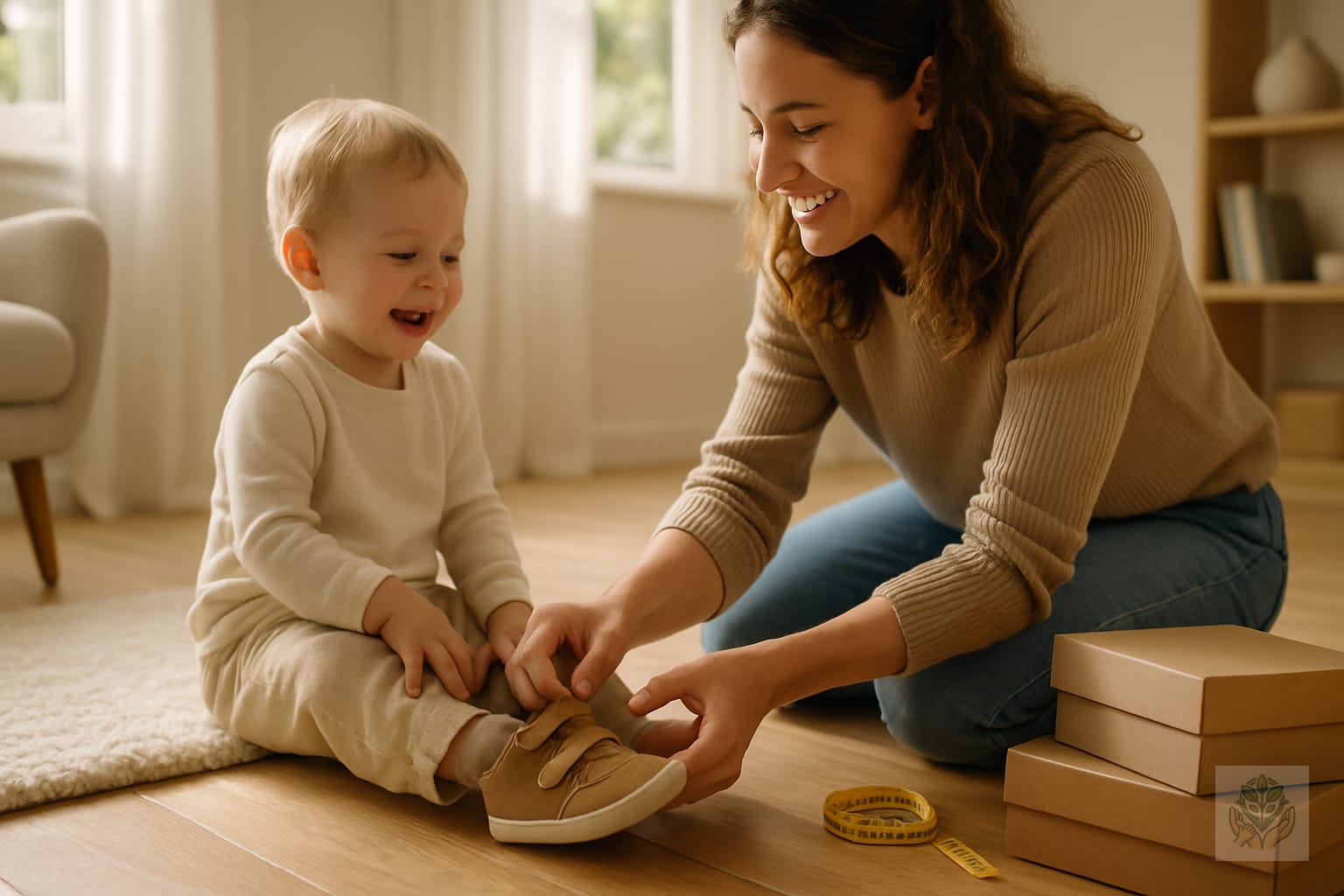
Comfortable Children’s Shoes: 7 Essential Features to Look For
As parents, we spend a lot of time watching our children grow, from their first hesitant steps to their high-speed dashes across the playground. Throughout these milestones, the shoes they wear play a pivotal role in their development. Choosing comfortable children’s shoes is not just about aesthetics; it is about providing the foundation for healthy bone growth and proper alignment. If you want to ensure your child remains active and comfortable during outdoor play, you may also want to explore our guide to the best outdoor toys for active toddlers.
Many parents believe that as long as a shoe isn’t too tight, it is fine. However, comfort goes much deeper than just the numerical size on the box. Poorly constructed footwear can lead to long-term foot health issues, affecting how your child walks, runs, and even carries their weight as they get older. In this guide, we will explore why prioritizing quality and comfort is the best investment you can make for your child’s feet.
Why Comfort Matters in Children’s Footwear
A child’s foot is not just a miniature version of an adult foot. It is largely composed of cartilage that is still in the process of ossification, meaning the bones are still forming and hardening. Because their feet are so malleable, they are highly susceptible to deformation if forced into restrictive or poorly designed shoes.
Proper footwear supports natural bone development by allowing the feet to function as they were intended. When a shoe is comfortable and well-fitted, it encourages a natural walking gait and maintains healthy posture. Conversely, rigid or ill-fitting shoes can cause common childhood foot problems, such as painful blisters, uncomfortable ingrown toenails, and unnecessary strain on the ankles and arches. You can find more comprehensive advice on selecting the right gear in our ultimate guide to finding comfortable footwear for kids.
Top 7 Features of Comfortable Children’s Shoes
When you are shopping for your little one, keep this checklist of features in mind to ensure you are choosing a pair that promotes healthy development.
1. Flexibility: Allowing the Foot to Bend Naturally
Children’s shoes should be flexible enough to bend at the ball of the foot. If you cannot easily bend the shoe with your hands, it is likely too stiff for a developing foot. Natural movement is key to strengthening the foot muscles.
2. Breathable Materials: Preventing Moisture Buildup
Active kids have active sweat glands. Choosing breathable materials like mesh, canvas, or soft, high-quality leather allows air to circulate. This prevents moisture buildup, which is the primary cause of fungal growth, odors, and skin irritation.
3. Proper Arch Support
While children often have naturally flat feet as they grow, they still require adequate internal structure. A shoe with a cushioned, contoured arch support helps stabilize the foot and prevents it from rolling inward, known as overpronation.
4. Lightweight Construction
Heavy boots or clunky sneakers can lead to premature muscle fatigue. Look for lightweight materials that do not add unnecessary weight to your child’s gait, allowing them to run and jump with ease throughout the day. For younger children, you can learn more about specific requirements in our guide on how to choose lightweight shoes for toddlers.
5. Adjustable Closures
Whether you choose Velcro straps or traditional laces, adjustable closures are vital. They allow you to customize the fit to your child’s specific foot volume. A secure fit ensures the heel does not slip out, which is essential for preventing trips and falls.
6. Wide Toe Box
The front of the shoe should be wide enough for your child to wiggle their toes freely. A cramped toe box can lead to deformities and discomfort over time. If your child’s toes cannot splay out naturally, the shoe is likely too narrow.
7. Cushioned Heel
Children put a lot of impact on their heels during play. A cushioned heel collar and sole provide the necessary shock absorption to protect growing joints and keep the wearer comfortable even on hard surfaces like pavement.
Materials Matter: Leather, Mesh, and Beyond
The materials used in a shoe define its longevity and performance. While synthetic materials are often more affordable, they may not offer the same breathability as natural options. Genuine leather is often preferred because it conforms to the shape of the foot over time and offers excellent durability.
However, high-quality synthetic mesh is a fantastic alternative for sports and summer play, as it maximizes airflow. Always check the lining of the shoe as well. Moisture-wicking linings are a game-changer for active kids, as they pull sweat away from the skin to keep feet dry and comfortable all day long.
How to Measure Your Child’s Feet Properly
Kids grow fast, sometimes seemingly overnight. To ensure you are buying comfortable children’s shoes, you should measure their feet every two to three months. You can easily do this at home by having your child stand on a piece of paper, tracing their foot, and measuring from the heel to the longest toe.
Always use the thumb-width rule: there should be about a thumb’s width of space between the end of the longest toe and the front of the shoe. This allows for the natural growth and movement of the foot without being so loose that the child loses stability.
Common Mistakes When Buying Kids’ Shoes
One of the biggest mistakes parents make is relying on hand-me-downs. While it may seem eco-friendly, a shoe that has already been worn in by another child has taken on the shape of their foot and has worn-down tread. This can hinder your child’s gait and offer inadequate support.
Additionally, avoid prioritizing style over structure. It is tempting to buy the trendy light-up shoes or those with characters, but if they lack structural integrity, they are a poor choice. Finally, never ignore the importance of socks. Always bring the type of socks your child will actually wear when trying on new shoes to get an accurate assessment of the fit. If you find your child is also struggling with other routines, you might find our strategies for helping kids follow a morning schedule very helpful.
Conclusion
Selecting comfortable children’s shoes is a fundamental aspect of supporting your child’s healthy physical development. By focusing on flexibility, a wide toe box, breathable materials, and proper support, you can ensure your little one stays active and pain-free. Remember, quality footwear is a long-term investment in your child’s well-being. Take a moment today to check your child’s current shoe fit—their feet will thank you for it! For more tips on maintaining a healthy lifestyle, check out our 7 positive parenting habits for raising confident and caring kids.
Frequently Asked Questions
Why are comfortable children’s shoes important for development?
Children’s feet are primarily composed of cartilage that is still hardening. Proper shoes support natural bone development, prevent structural deformities, and encourage a healthy walking gait.
How flexible should a child’s shoe be?
A good child’s shoe should be flexible enough to bend easily at the ball of the foot. If the shoe is too stiff to bend with your hands, it is likely too rigid for a developing foot.
Why is a wide toe box necessary?
A wide toe box gives your child room to wiggle and splay their toes naturally, preventing painful crowding, blisters, and long-term toe deformities.
How often should I measure my child’s feet?
You should measure your child’s feet every two to three months because children’s feet grow very quickly, often outgrowing shoes before they show outward signs of wear.
Is it okay for kids to wear hand-me-down shoes?
It is generally best to avoid hand-me-down shoes because they have already molded to the original owner’s foot shape and may have worn-down treads that lack proper support.
What materials are best for kids’ shoes?
Breathable materials like genuine leather, canvas, and high-quality synthetic mesh are ideal because they maximize airflow, prevent moisture buildup, and reduce the risk of odors and fungal growth.


