

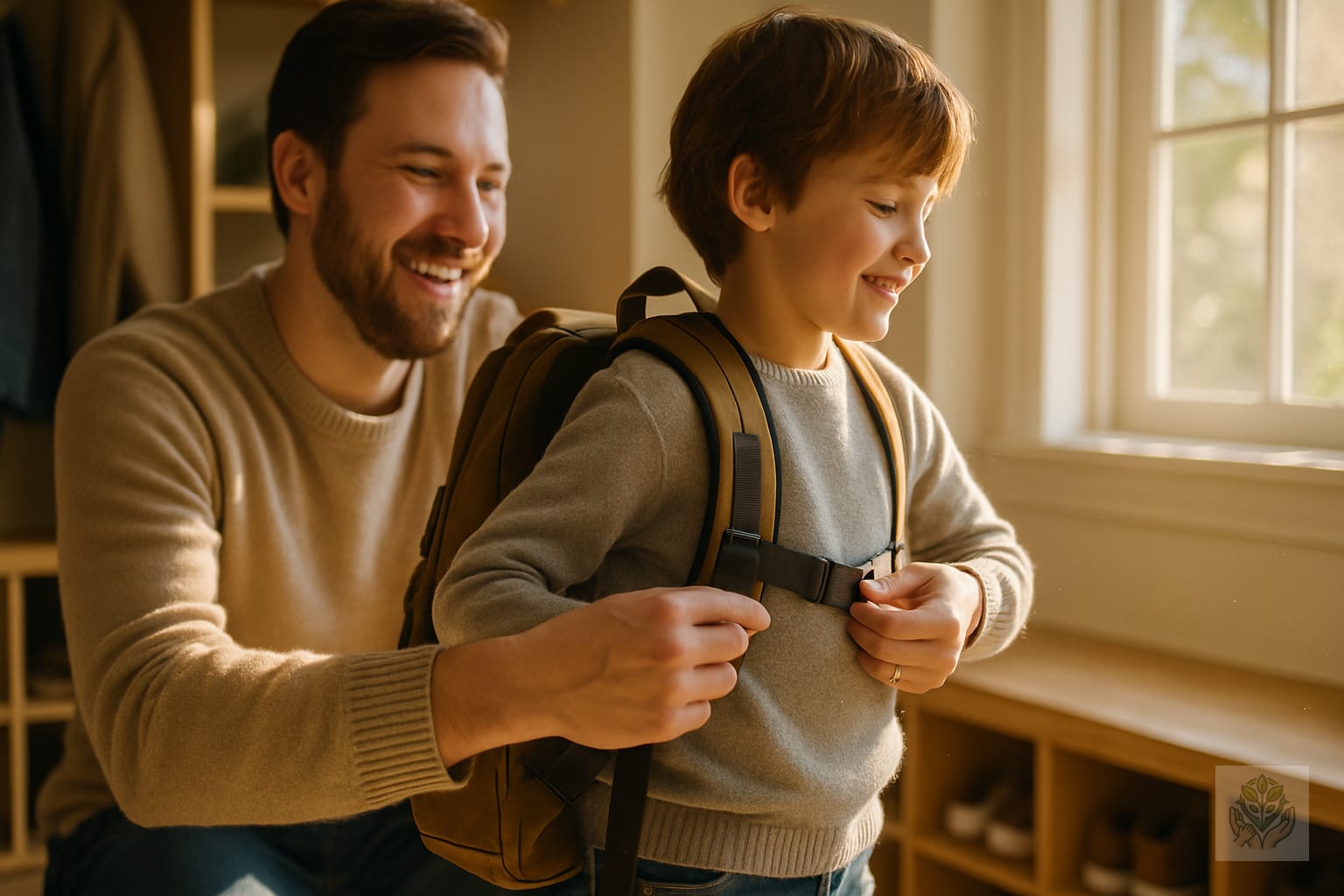
How to Choose a Durable School Bag for Kids: The Ultimate Parent’s Guide
Every parent knows the frustration of sending a child off to school only to have them return a few months later with a broken zipper, a frayed strap, or a gaping hole in the bottom of their backpack. Replacing torn school bags every semester is not just an annoyance; it is a drain on your household budget and a contributor to unnecessary waste. Knowing how to choose a durable school bag for kids is an essential skill that saves you time, money, and stress while ensuring your child has reliable gear for their daily adventures. You can also explore our curated list of the best school bags for kids in India for top-rated recommendations.
Investing in a high-quality, durable backpack is a classic example of quality over quantity. When you select a bag built to withstand the rigors of playground roughhousing and heavy textbook loads, you are making a smart long-term investment. In this guide, we will walk you through everything you need to consider before making your next purchase.
Why Durability Matters: More Than Just Fabric
When we talk about durable school bags for kids, we are looking at much more than just the exterior fabric. A truly reliable backpack acts as a protective shell for expensive school supplies like tablets, laptops, and notebooks. If a seam rips during a rainy commute, those supplies are instantly at risk.
Furthermore, a sturdy bag maintains its structure over time. A sagging, shapeless bag can shift the weight away from your child’s center of gravity, leading to poor posture and unnecessary muscle strain. By choosing a bag that holds its shape and integrity, you are protecting not only the gear inside but also your child’s physical health as they grow and carry heavier loads.
Key Materials to Look For
The secret to a long-lasting backpack lies in its construction materials. When shopping, ignore the flashy, low-quality options and look for these industry standards:
- Denier Polyester: Look for 600D (denier) polyester or higher. The higher the denier number, the thicker and more abrasion-resistant the fabric is.
- Ballistic Nylon: Originally designed for military use, this fabric is incredibly tough and highly resistant to tears and scuffs.
- Reinforced Stitching: Check the stress points, specifically where the straps meet the bag and where the base connects to the main compartment. Double or bar-tack stitching indicates a bag built to last.
- Heavy-Duty Zippers: Zippers are the first thing to fail on cheap bags. Look for brands that use YKK zippers, which are widely considered the gold standard for reliability and smooth operation.
Ergonomics: Protecting Your Child’s Back
A durable bag is useless if it is uncomfortable to wear. Ergonomics play a vital role in ensuring your child is willing and able to carry their bag properly for the entire school year. For more on this, review our school backpack safety tips for parents to help protect your child’s spine.
Look for backpacks featuring high-density foam padding in the shoulder straps to prevent digging. A chest strap or sternum buckle is an excellent feature, as it helps distribute the weight evenly across the torso rather than pulling on the shoulders. Additionally, a firm, padded back panel provides the necessary support to keep the contents of the bag from poking your child in the back, ensuring comfort during long walks or transit.
Size and Capacity: Choosing the Right Fit
Buying a bag that is too big in hopes that the child will grow into it is a common mistake. An oversized bag often results in improper weight distribution, which can lead to back pain and clumsiness in the hallways.
When measuring, the backpack should never be wider than your child’s torso and should hang no lower than four inches below their waistline. To test this, have your child put on the bag; the bottom of the pack should rest comfortably against the small of their back. Always check the internal capacity to ensure it fits their specific grade-level requirements—a middle schooler will clearly need more volume than a kindergartener.
Essential Features of a Long-Lasting Bag
Beyond the basics, certain features elevate a backpack from average to excellent. Consider these must-haves for maximum longevity:
- Water-Resistant Coatings: A polyurethane or DWR (Durable Water Repellent) coating protects books from accidental spills and light rain.
- Reinforced Bottom Panels: The bottom of the bag hits the floor constantly. A heavy-duty, abrasion-resistant base material, such as reinforced vinyl or double-layered nylon, is a game-changer.
- External Storage: Side pockets designed for water bottles prevent liquids from leaking inside the main compartment onto school work.
- Reflective Details: High-visibility strips are essential for safety, especially if your child walks to school or participates in after-school activities during the winter months.
Care and Maintenance Tips
Even the most durable bag needs a little love to survive the school year. Establish a routine of checking the backpack every Friday afternoon to remove forgotten food items or crumpled papers that could cause odors or stains. Keeping a tidy space is part of helping children encourage independent hygiene habits at home.
When it comes to cleaning, always check the manufacturer’s label. Many high-quality bags can be spot-cleaned with mild soap and a damp cloth, which is usually preferred over machine washing to maintain the integrity of the water-resistant coating. If you must machine wash, use a gentle cycle inside a mesh laundry bag and always air dry to prevent heat damage to zippers and straps.
When to Replace a School Bag
Despite your best efforts, even the sturdiest gear has a lifespan. Watch for these clear signs that it is time for an upgrade:
- Broken or Misaligned Zippers: If the zipper tracks are misaligned or the slider is missing teeth, the bag is no longer secure.
- Frayed or Detaching Straps: Any sign of the shoulder straps pulling away from the bag body is a safety hazard and indicates structural failure.
- Unrepairable Holes: If the fabric has developed large tears that cannot be patched, moisture and debris will inevitably ruin the contents.
- Persistent Odors: If a bag has been exposed to mold or chronic food spills that no amount of cleaning can remove, it is it time to refresh their school gear and ensure they have a comfortable study environment for better focus at home.
Conclusion
Learning how to choose a durable school bag for kids is one of the most effective ways to simplify your back-to-school preparations. By prioritizing high-quality materials, ergonomic design, and reinforced construction, you reduce the likelihood of mid-year replacements and give your child a reliable companion for their academic journey. Remember, while a quality backpack might cost a little more at the checkout, it will pay for itself many times over by lasting through the toughest school days. Maintaining a daily routine for kids can further help ensure they manage their belongings carefully throughout the year.
Frequently Asked Questions
What is the best fabric for a durable school bag?
High-denier polyester (600D or higher) and ballistic nylon are the best fabrics. They offer exceptional resistance to tears, scuffs, and daily wear and tear.
Why is ergonomic design important in kids’ backpacks?
Ergonomic designs with padded shoulder straps and sternum buckles distribute weight evenly across the torso, protecting your child from muscle strain and poor posture.
How do I know if a school bag is the right size?
A school bag should never be wider than your child’s torso and should hang no lower than four inches below their waistline to ensure proper weight distribution.
How can I make my child’s school bag last longer?
Regularly check for forgotten food items, spot-clean with mild soap instead of machine washing, and avoid overloading the bag beyond its recommended capacity.
What zippers are the most reliable for backpacks?
YKK zippers are widely considered the gold standard for durability and smooth operation, preventing one of the most common causes of backpack failure.
When should I replace my child’s school bag?
You should replace the bag if it has broken zippers, frayed or detaching shoulder straps, unrepairable holes, or persistent odors that cleaning cannot remove.


