

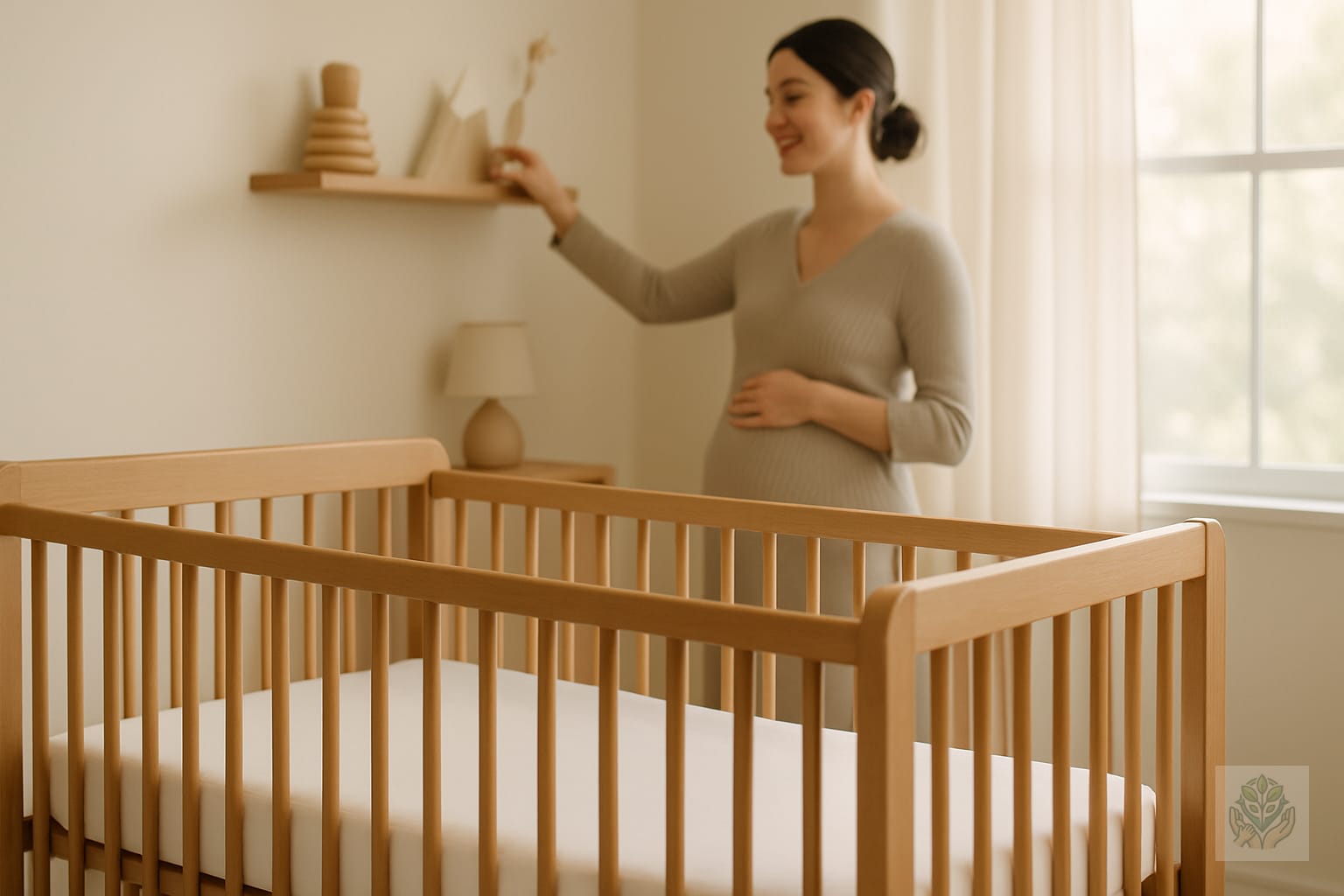
How to Choose a Crib for Your Baby’s Nursery: The Ultimate Safety & Style Guide
Preparing for a new arrival is an exciting time filled with nursery mood boards, color palettes, and careful planning. Among all the decisions you make, choosing the right crib for your baby’s nursery stands above the rest. It is the centerpiece of the room, but more importantly, it is the place where your baby will spend the majority of their early months sleeping. Prioritizing safety without compromising on your personal aesthetic is the ultimate goal.
In this guide, we will walk you through the essential safety standards, the different types of cribs available on the market, and how to select the perfect mattress. Whether you are working with a cozy apartment or a spacious nursery, we are here to help you navigate this process with confidence and peace of mind.
Crib Safety 101: What Every Parent Needs to Know
When you are learning how to choose a crib for your baby’s nursery, safety must be the non-negotiable priority. The Consumer Product Safety Commission (CPSC) has implemented strict regulations to ensure that cribs are safe environments for infants. Always look for a crib that bears a certification label from the Juvenile Products Manufacturers Association (JPMA), which indicates that the product has been tested to meet or exceed rigorous safety standards. For broader peace of mind, review our complete guide to baby safety.
One of the most critical developments in modern infant safety is the ban on drop-side cribs. These cribs, which featured a side that could be lowered to make picking up the baby easier, are no longer legal for sale due to the risk of hardware failure and entrapment. If you are browsing for nursery furniture, avoid any secondhand models that feature this design.
While vintage furniture has undeniable charm, it is generally recommended to buy a new crib. Older models may not meet current slat spacing requirements. The rule of thumb is that slats should be no more than 2 3/8 inches apart—roughly the width of a soda can. If a gap is wider, a baby’s head could become entrapped. A brand-new crib ensures that all parts are intact and meet the latest safety requirements.
Types of Cribs: Which Style Fits Your Lifestyle?
Your lifestyle and living space will play a major role in determining which type of crib is best for your family. Understanding the different categories will help you narrow down your choices quickly. Beyond the bed itself, you can explore essential nursery furniture to complete your space.
- Standard Full-Size Cribs: These are the classic choice. They provide a spacious, sturdy sleeping area and are designed to be used for the first two to three years of a child’s life.
- Convertible Cribs: These are popular as a long-term investment. Many 3-in-1 or 4-in-1 models transition from a crib to a toddler bed, and sometimes even a full-size headboard for your child’s teenage years.
- Mini-Cribs: If you live in an urban apartment or have a small nursery, a mini-crib is a lifesaver. They offer a smaller footprint while still providing a safe, comfortable sleeping space.
- Portable or Travel Cribs: While not meant for everyday use in the nursery, having a lightweight, foldable crib is essential for travel or keeping at a grandparent’s house.
Key Features to Look For
Beyond the style, consider the functional features that will make your daily life easier. Adjustable mattress heights are a must-have feature. You will want the highest setting for a newborn to save your back when lifting them, and you must lower it as your baby begins to sit up and pull themselves to stand to prevent falls.
Material quality is another factor to consider. Solid wood cribs are durable and often hold up well over time, but ensure the finishes are non-toxic and lead-free. If you choose a crib with wheels for portability, ensure they have high-quality locking mechanisms that are easy to engage and disengage.
Ease of assembly is often overlooked, but remember that you will be putting this together before the baby arrives. Look for models that receive positive reviews regarding the clarity of their assembly instructions, or consider hiring a professional service if building furniture is not your forte.
Don’t Forget the Mattress: Pairing Your Crib Correctly
Choosing the right mattress is just as important as choosing the crib itself. A crib mattress should be significantly firmer than an adult mattress to reduce the risk of SIDS (Sudden Infant Death Syndrome). A soft, plush mattress is a safety hazard for a sleeping baby. For tips on creating a secure space, see our guide on how to create a safer sleep environment for babies.
Measurement is vital. When you place the mattress in the crib, there should be no more than two fingers of space between the mattress edge and the crib side. If there is a larger gap, your baby’s limbs could get stuck. Invest in a high-quality, waterproof cover to protect the mattress from inevitable accidents, and look for materials that are breathable to keep your baby cool and comfortable. You can find helpful advice on selecting the right options in our baby fitted sheets buying guide.
Budgeting for Your Nursery: What’s Worth the Splurge?
There is often a misconception that a higher price tag guarantees more safety, but when it comes to cribs, every manufacturer sold in the U.S. must meet the same CPSC safety regulations. A budget-friendly crib that meets all safety standards is just as safe as a designer model.
If you choose to save money on the crib frame, you might consider putting those extra funds toward a higher-quality mattress or extra crib sheets. When budgeting, keep an eye out for seasonal sales or holiday promotions at major baby retailers. Often, you can find premium nursery furniture at significant discounts if you are willing to wait for the right time to buy.
Frequently Asked Questions (FAQ)
How long can a baby stay in a crib?
Most children stay in a crib until they are between two and three years old. The transition usually depends more on the child’s height and their ability to climb out than on their exact age.
When should I move my baby from the crib to a toddler bed?
You should move your child to a toddler bed when they start attempting to climb out of the crib, as this becomes a significant fall risk. Most parents make this switch around age two or three.
Are bumper pads safe for newborns?
No, bumper pads, blankets, and pillows should never be placed in a crib. The American Academy of Pediatrics recommends a bare crib to prevent the risk of suffocation or entanglement.
Do I need to buy a crib conversion kit at the same time as the crib?
It is often a wise idea. Some manufacturers stop producing specific models after a few years, making it difficult to find the matching conversion kit later on. Buying it upfront ensures you have the pieces ready when you are finally ready to convert the bed.
Conclusion
Choosing a crib for your baby’s nursery is a significant milestone in your pregnancy journey. By focusing on CPSC safety standards, selecting the right size for your space, and pairing it with a firm, safe mattress, you are setting the foundation for your baby’s healthy sleep habits. Remember to check your crib regularly for loose hardware as your baby grows, and keep the sleeping area free of clutter.
Creating a beautiful, safe nursery is a labor of love that pays off in peace of mind. For more help organizing your space and checking off those final items, check out our Ultimate Nursery Registry Checklist to ensure you have everything you need for your little one’s arrival. You can also explore calm and cozy nursery decor ideas to add those final personal touches.
Frequently Asked Questions
How long can a baby stay in a crib?
Most children stay in a crib until they are between two and three years old. The transition typically depends on the child’s height and climbing abilities rather than their age.
When should I move my baby from a crib to a toddler bed?
You should switch to a toddler bed once your child begins attempting to climb out of the crib, as this poses a serious fall hazard. This usually happens around age two or three.
Are bumper pads safe for newborns?
No, bumper pads, pillows, and loose blankets are not safe. The American Academy of Pediatrics strongly recommends keeping the crib completely bare to reduce the risk of suffocation.
Do I need to buy a crib conversion kit immediately?
Buying the conversion kit at the same time as the crib is recommended. Manufacturers sometimes discontinue specific models, making it difficult to find matching parts later.
What is the standard slat spacing for a safe baby crib?
Crib slats should be no more than 2 3/8 inches apart, which is roughly the width of a soda can, to prevent a baby’s head from becoming entrapped.
How firm should a crib mattress be?
A crib mattress must be significantly firmer than an adult mattress. A firm surface is essential for reducing the risk of SIDS and providing proper support for an infant.


