

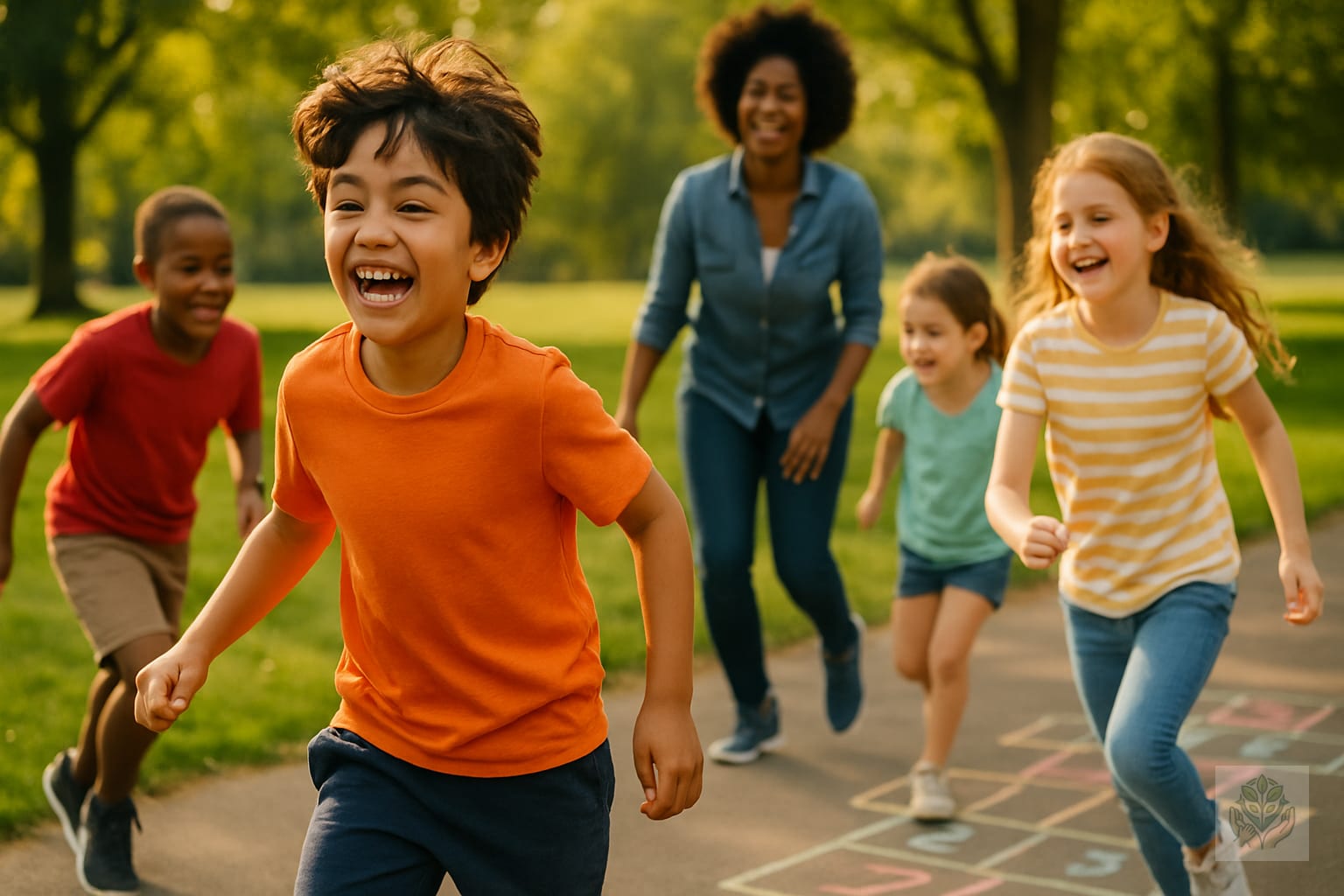
15 Classic Playground Games Every Child Can Enjoy (Screen-Free Fun)
In our modern digital era, the lure of glowing screens and virtual games is undeniably strong. However, nothing quite replaces the joy of a sunny afternoon spent outdoors with friends. Classic playground games offer more than just a break from technology; they provide a vital foundation for childhood development that screens simply cannot replicate. Learning how parents can manage screen time at home is an essential first step in prioritizing this active play.
When children engage in 15 classic playground games, they aren’t just running around. They are navigating social hierarchies, learning to negotiate rules, and pushing their physical limits in a safe, controlled environment. These activities prove that you do not need expensive toys or batteries to create unforgettable memories. All you need is a bit of space, some imagination, and a few eager participants.
The Benefits of Traditional Playground Games
Why do these games remain popular decades after they were first invented? The secret lies in their simplicity and the multifaceted developmental advantages they offer. When children participate in outdoor play, they are building physical strength, coordination, and agility. These gross motor skills are essential for healthy growth and long-term confidence.
Beyond the physical, these games serve as a training ground for social-emotional growth. In a game of tag or hopscotch, children learn the nuances of teamwork, the necessity of following rules, and the art of conflict resolution. They must communicate clearly to keep the game moving, fostering leadership and empathy along the way. Furthermore, these activities enhance cognitive function by requiring kids to think on their feet, anticipate the moves of others, and devise strategies in real-time. For more ideas on how to encourage physical movement, explore our guide on 15 easy movement activities for kids at home to burn energy.
Category 1: High-Energy Chase Games
Chase games are the heart of the playground. They burn off excess energy and get the heart rate up, providing an immediate mood boost for kids of all ages.
- Tag: The quintessential playground activity. Variations like Freeze Tag, where being tagged requires standing still until freed, add a layer of strategy. Shadow Tag involves trying to step on someone else’s shadow, turning the sunlight into a game element.
- Red Light, Green Light: This game is a fantastic tool for teaching impulse control. Players must stop instantly when the leader calls Red Light, which helps children develop self-regulation and focus.
- Duck, Duck, Goose: A classic for younger groups, this game helps children practice social anticipation and waiting for their turn. It builds a sense of group cohesion and excitement that is contagious.
Category 2: Games Requiring Minimal Equipment
You don’t need a shed full of sports gear to stay active. These classics prove that simple tools are often enough to facilitate hours of fun. If you want to organize your play space, check out our 15 genius sports equipment storage ideas to tame the garage clutter.
- Hopscotch: With just a piece of chalk and a rock, children can develop balance, rhythm, and coordination. It is a wonderful way to practice motor planning while having fun.
- Four Square: Using a rubber ball and a paved square, children learn about cooperative play and sportsmanship. It is a fast-paced game that keeps everyone engaged and waiting for their next turn.
- Jump Rope: Whether performing solo tricks or jumping in a long rope held by friends, this activity is an excellent workout for the cardiovascular system. It also teaches rhythm and timing through classic jump rope rhymes.
Category 3: Imaginative & Social Play
Sometimes the best play is social and cognitive rather than purely physical. These games rely on listening and patience. Engaging in this type of play also highlights the educational benefits of pretend play explained as it relates to imagination and child development.
- Hide and Seek: This is the ultimate test of patience and spatial awareness. Children learn to assess their environment and manage their emotions while waiting to be found or searching for their peers.
- Follow the Leader: This game builds leadership and listening skills. The leader must create a sequence of actions, and the followers must pay close attention, encouraging focus and memory retention.
- Simon Says: A brilliant way to develop concentration and attention to detail. Children learn to distinguish between auditory cues and impulsive reactions, which helps improve listening comprehension.
Tips for Encouraging Inclusive Play
Playgrounds are diverse spaces, and inclusion is key to a positive experience. As an adult, you can modify games to ensure every child feels included. For instance, if you have children of varying ages, allow older kids to act as mentors or referees, or adjust the boundaries of a game to accommodate different physical abilities. You can further support their growth by incorporating 7 positive parenting habits for raising confident and caring kids during these social interactions.
Promote a culture of sportsmanship by highlighting effort rather than just the outcome of a game. If a child feels overwhelmed, encourage them to take a “referee” role so they can stay involved without the pressure of direct competition. Your role as an adult is primarily to act as a facilitator. Step in when conflicts need mediation, but step back to allow children the freedom to negotiate and learn from their own interactions.
Safety First: Playground Etiquette for Kids
Safety is the foundation of fun. Teach your children to be aware of their surroundings and to look out for younger or smaller peers. Basic etiquette, like taking turns on equipment and respecting personal space, goes a long way in preventing accidents. For outdoor play safety tips, you can also review our guide on 10 outdoor activities to boost toddler development naturally.
It is equally important to discuss how to handle winning and losing gracefully. Remind your child that the purpose of playing 15 classic playground games is to enjoy the process and the company of friends. A good sport celebrates their teammates’ successes and accepts a loss with a shrug and a smile, knowing that they can always play again another time.
Conclusion
The impact of traditional play on childhood development is profound. By engaging in 15 classic playground games, children build the resilience, empathy, and physical fitness they need to thrive. These moments of screen-free fun create lasting memories and foster a sense of community that digital interactions simply cannot match.
This weekend, I challenge you to step away from the devices and join your children at the local park. Whether you are leading a round of Simon Says or chalking out a hopscotch grid, you are showing them that life is meant to be lived actively. Share your favorite childhood playground memories with your family and spark a new tradition of outdoor fun today.
Frequently Asked Questions
What are the benefits of classic playground games?
Classic playground games help children build physical strength, coordination, and agility. They also teach vital social skills such as teamwork, communication, conflict resolution, and impulse control.
Why is screen-free outdoor play important for kids?
Screen-free outdoor play promotes healthy physical growth, enhances cognitive function, and reduces screen time. It encourages imagination and allows children to form genuine connections with peers.
What equipment is needed for traditional playground games?
Many traditional games require little to no equipment. Simple items like chalk, a rubber ball, a jump rope, or just an open space are often all you need for hours of entertainment.
How can I make playground games inclusive for all children?
You can include children of all abilities by modifying game rules, adjusting boundaries, or assigning support roles like refereeing to accommodate different physical needs and ages.
What are some high-energy chase games for kids?
Popular high-energy chase games include Tag, Freeze Tag, Shadow Tag, Red Light, Green Light, and Duck, Duck, Goose, which help children burn off energy and improve focus.
How do games like Simon Says help child development?
Games like Simon Says and Follow the Leader improve listening comprehension, concentration, and attention to detail by teaching kids to follow specific auditory cues and instructions.


