

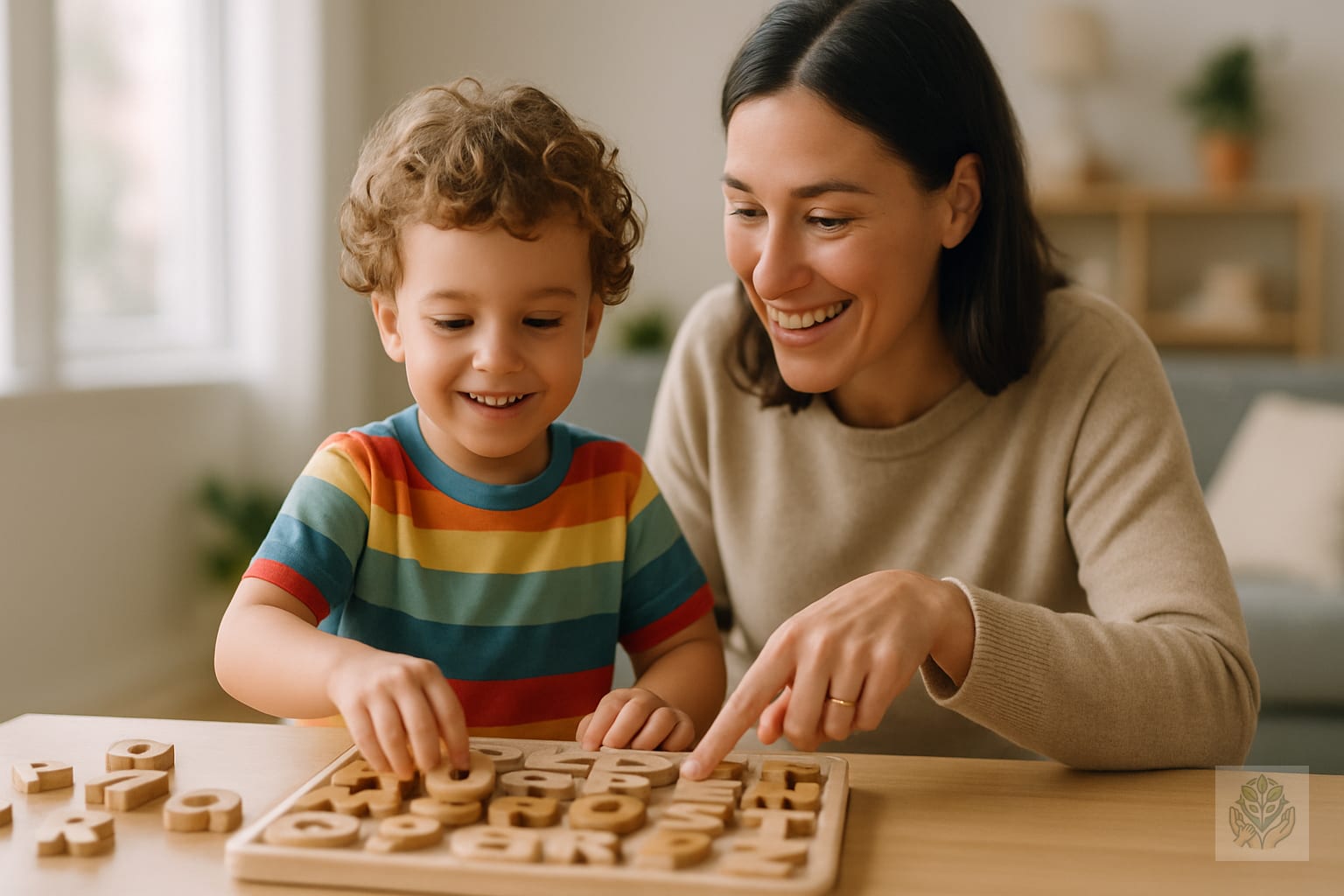
How to Help Kids Recognize Uppercase Letters: A Fun, Step-by-Step Guide
Watching your child begin their journey toward reading is a milestone every parent cherishes. One of the very first steps in this literacy journey is helping them identify the alphabet. Specifically, figuring out how to help kids recognize uppercase letters is a foundational skill that opens the door to future reading and writing success.
Many parents wonder why we start with capital letters. Unlike lowercase letters, which often have confusing similarities—think about how easily a child can mix up b, d, p, and q—uppercase letters are distinct and bold. They are easier for young eyes to differentiate, making them the perfect starting point for early literacy. Remember, every child learns at their own pace. What matters most is creating a supportive environment where your child feels confident, not pressured.
The Building Blocks: What to Know Before You Start
Before you dive into teaching letter recognition, it is helpful to understand how children process information. Children are natural scientists who learn best through tactile and visual experiences. While some children might show an interest in letters as early as age two or three, others may need more time to develop the visual tracking skills necessary to distinguish shapes. You can further support their development with 15 Engaging Indoor Activities That Improve Fine Motor Skills for Kids.
Focus first on letter shapes rather than phonics or sounds. While it is tempting to teach the sound a letter makes simultaneously, your child needs to master the visual identification of the symbol first. Keep sessions short and lighthearted. If a child senses anxiety or high expectations, they may shut down. By keeping the learning environment relaxed and play-based, you turn a potential chore into a bonding experience. Check out our tips on Why Family Bonding Matters for Young Children: Building a Foundation for Life to strengthen your connection during these sessions.
5 Hands-On Activities to Teach Uppercase Letters
The most effective way to teach letter recognition is through play. When children engage their senses, they retain information much more effectively than when they are simply shown a worksheet. For more inspiration, explore our 10 Simple Letter Recognition Games for Toddlers (Playful Learning).
1. Sensory Play: Salt or Sand Letter Tracing Trays
Pour a thin layer of salt, sand, or even sugar onto a tray. Ask your child to use their finger to trace a letter in the material. The resistance of the salt provides tactile feedback that reinforces the physical shape of the letter in their muscle memory.
2. Gross Motor Fun: Alphabet Hunt
Write various uppercase letters on sticky notes and hide them around your living room. Ask your child to go on a scavenger hunt to find specific letters. This combines physical activity with cognitive work, which is a fantastic strategy for high-energy learners.
3. Building Letters
Use building materials like LEGO bricks, playdough, or popsicle sticks to construct letters. Asking a child to build an A out of three sticks helps them analyze the components of the letter, such as the two diagonal lines and the horizontal bar. This analytical approach makes the shape much more memorable.
4. Visual Cues: Using Flashcards and Letter Magnets
Letter magnets on the refrigerator are a classic for a reason. They are always accessible and allow for low-pressure exposure throughout the day. Try sorting magnets into categories, such as letters with straight lines versus those with curved lines.
5. Artistic Expression: Painting and Decorating Letters
Print out large, hollow uppercase letters and have your child decorate them with glitter, paint, or stickers. Focusing on one letter a day or a week allows them to spend significant time interacting with the shape of that specific character. These crafts are also excellent for 10 Fun DIY Crafts That Improve Fine Motor Skills in Toddlers and Preschoolers.
Tips for Making Letter Recognition Stick
To ensure your child truly retains what they learn, prioritize high-frequency letters first. Start with the letters in their own name. A child is naturally more invested in learning letters that hold personal meaning. This builds immediate confidence and provides a “hook” for them to learn the rest of the alphabet.
Consistency is more powerful than intensity. Spend ten minutes a day engaging in letter-related play rather than forcing a long hour once a week. Incorporate alphabet books into your bedtime routine, pointing out the capital letters on the page. We recommend selecting titles from our The Ultimate Guide to Age-Appropriate Books for Toddlers and Preschoolers. By making these interactions a seamless part of your daily rhythm, you remove the pressure of “schooling” and replace it with natural curiosity.
Common Challenges and How to Overcome Them
If your child seems disinterested, take a step back. It is possible they aren’t ready, or the activity you have chosen isn’t a good fit for their learning style. Try shifting to a more active, physical game like those found in our guide to 15 Easy Movement Activities for Kids at Home to Burn Energy.
You may also notice letter confusion, particularly with letters that look similar, like M and W or O and Q. This is completely normal and developmentally appropriate. Simply point out the difference using descriptive language: “Look, the M has a peak in the middle, but the W has a valley.” If your child continues to struggle after months of patient practice, feel free to speak with their teacher or a pediatrician, but remember that most children simply need more time and repetition.
Conclusion
Learning the alphabet is a marathon, not a sprint. By exploring how to help kids recognize uppercase letters through play and curiosity, you are laying the groundwork for a lifelong love of reading. Be patient, stay positive, and celebrate every small victory. Do you have a favorite way to teach your little one their ABCs? Share your go-to activity in the comments below; your idea might be the spark another parent needs. For more educational resources, browse The Ultimate Complete Guide to Preschool Activities for Early Learning.
Frequently Asked Questions
Why should I teach uppercase letters before lowercase?
Uppercase letters have distinct, bold shapes with fewer confusing similarities, making them easier for young eyes to differentiate and a great starting point for early literacy.
At what age should kids start recognizing letters?
Children can show interest as early as age two or three, but every child develops at their own pace. Focus on play rather than rigid timelines.
Which letters should I teach first?
Start with high-frequency letters, especially the letters in your child’s own name, as personal meaning boosts engagement and confidence.
How can I make letter recognition fun?
Use hands-on activities like sensory salt trays, scavenger hunts with sticky notes, building letters with LEGO bricks, and painting large letter templates.
What should I do if my child confuses similar letters?
This is completely normal. Use descriptive language to point out differences, such as explaining that an M has a peak while a W has a valley.
How much time should we spend practicing each day?
Consistency matters more than intensity. Spend about ten minutes a day on letter-related play to keep learning fun and avoid burnout.


