

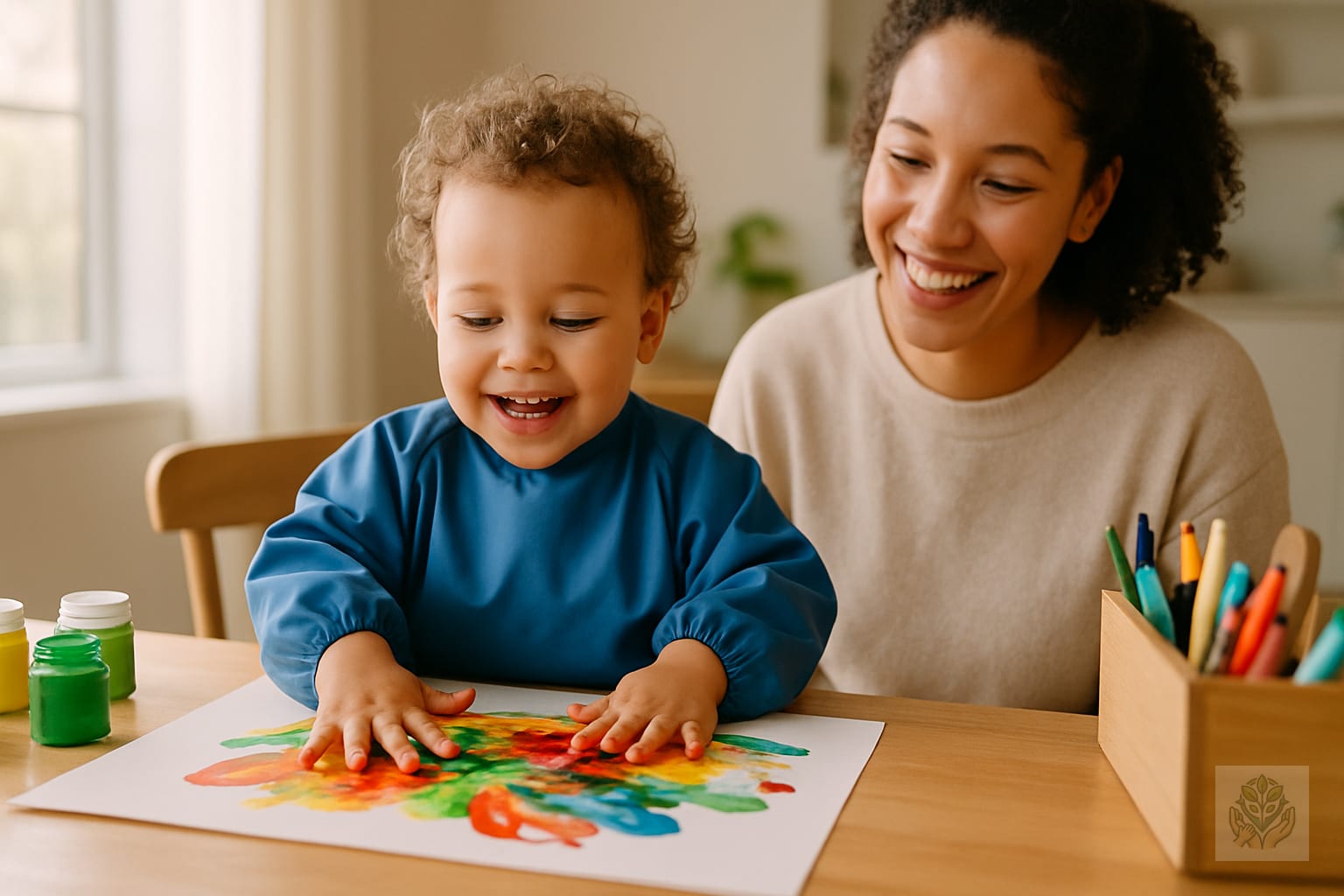
10 Creative Finger Painting and Coloring Activities for Toddlers (Mess-Free Tips Included!)
As a parent, watching your child discover the joy of color and texture is a magical experience. However, the prospect of paint on your carpet or markers on your walls can feel daunting. Integrating creative finger painting and coloring activities for toddlers into your routine is not just about keeping them busy; it is a vital step in their early childhood development.
Creativity is a core pillar of cognitive and emotional growth. When your little one engages in sensory art, they are learning to process the world around them. This guide will walk you through ten engaging activities that foster imagination while providing you with expert, mess-free strategies to keep your home clean and your sanity intact. For more ways to keep them busy, check out our ultimate guide to indoor toddler activities.
The Benefits of Finger Painting and Coloring for Toddlers
Art is much more than just making a picture. It is a full-body learning experience that impacts several areas of a child’s development. By practicing creative finger painting and coloring activities for toddlers, you are helping them build essential skills that will serve them well as they grow.
Fine motor skill development
Holding a crayon, dipping fingers into paint, and maneuvering brushes all require precision. These movements strengthen the small muscles in their hands and fingers, which serves as the foundation for future skills like writing, tying shoes, and using utensils. You can further support this growth with 11 easy hand strengthening activities for preschoolers.
Color recognition and early cognitive growth
Art provides a tangible way to teach color theory. When you name the colors they use, your child begins to categorize the world. Understanding that red and blue can mix to create purple is a high-level cognitive discovery that happens right on the page.
Emotional expression and self-soothing
Toddlers often lack the vocabulary to express complex feelings. Painting and coloring allow them to release energy and express emotions in a safe, non-verbal environment. The repetitive motion of coloring or the tactile feel of paint can actually have a calming, meditative effect on an overstimulated child.
Preparation: Setting Up Your Toddler Art Station
The secret to enjoying art time is preparation. If you have a system, the mess becomes manageable. Creating a dedicated space for creative finger painting and coloring activities for toddlers signals to your child that it is time to focus and create. If you are looking to design a permanent area, follow our guide on how to build a simple preschool learning corner.
- The low-mess zone: Use a plastic shower curtain or a vinyl tablecloth on the floor. If you are doing table art, keep a stack of paper towels nearby at all times.
- Essential tools: Keep washable markers, non-toxic finger paints, jumbo crayons, and a water bowl for rinsing brushes in a designated caddy.
- Supply selection: Always check labels for non-toxic and washable certifications. Investing in high-quality toddler-specific supplies saves you hours of scrubbing later.
Top 5 Engaging Finger Painting Activities
Ready to get creative? These five finger painting ideas offer a variety of textures and experiences for your little one.
- Classic Paper Finger Painting: Use thick construction paper or heavy cardstock. Tape the edges down to the table to prevent sliding, and let them explore the feel of paint on paper.
- Mess-Free Ziploc Bag Painting: Squirt small amounts of paint inside a sealed Ziploc bag, tape it to the table or a window, and let your toddler push the paint around with their fingers without touching it directly.
- Bathtub Finger Painting: The ultimate cleanup hack. Let your toddler paint on the shower walls using washable paint during bath time. When they are done, just rinse the walls with the showerhead.
- Texture Painting: Introduce sponges, foam brushes, or even bubble wrap to add unique textures to their art pieces. This helps toddlers understand how different tools create different results.
- Edible Yogurt Paint: For younger toddlers who still explore everything with their mouths, mix plain yogurt with food coloring. It is safe, tactile, and provides a fun sensory experience.
Top 5 Creative Coloring Activities
Coloring does not have to mean sitting at a table with a standard coloring book. Try these dynamic ways to encourage artistic expression, including these 7 creative texture coloring activities for toddlers.
- Giant Floor Mural: Roll out a long piece of butcher paper on the floor. A larger canvas encourages more movement and allows your child to use their whole arm rather than just their wrist.
- Sticker-Resist Coloring: Place stickers on a sheet of paper, let your child color over them, and then peel the stickers off to reveal the white silhouettes underneath.
- Cardboard Box Creations: Never throw away shipping boxes! Give your toddler markers and let them decorate the walls of their own cardboard castle.
- Nature Rubbing: Go for a walk to collect leaves, twigs, or bark. Place them under a sheet of paper and have your child rub crayons over them to reveal the hidden textures.
- Window Coloring: Use window markers to color directly on glass or sliding doors. This vertical surface creates a unique drawing experience and is easily wiped clean with a damp cloth.
Expert Tips for Managing the Mess
Accepting that creative finger painting and coloring activities for toddlers might get a little messy is part of the journey. However, you can minimize the stress with these expert tips:
Always perform a little prep work. If you prepare the environment before you bring your toddler to the station, you will be much calmer. Keep an “art smock” or an old oversized t-shirt for your child to wear to protect their clothes.
Reframing the mess is also key. View the stray paint marks as evidence of your child’s exploration rather than a cleaning chore. Focus on the learning process rather than the final product. Your child is not trying to create a masterpiece; they are learning about their own influence on the physical world. For more ways to build a routine that includes these activities, read our article on how to create a daily activity routine for preschoolers.
FAQs About Toddler Art
Parents often have questions about safety and age-appropriateness when starting these projects.
- At what age can toddlers start? Most children can start finger painting around 12 to 18 months, provided you use non-toxic, food-grade materials.
- Are all paints safe? Not necessarily. Always look for the AP (Approved Product) seal or “non-toxic” on the label.
- What if they put paint in their mouth? If you are concerned, stick to homemade paints like yogurt-based paints or even whipped cream colored with food dye until they grow out of the oral exploration phase.
Conclusion
Incorporating creative finger painting and coloring activities for toddlers into your daily life is a wonderful way to bond and support your child’s development. Whether you are painting in the bathtub or drawing on cardboard boxes, the memories you make are worth every bit of the cleanup. Focus on the fun, embrace the process over perfection, and watch your toddler’s creativity soar. Do you have a favorite art activity? Share your toddler’s latest creation with us on social media using our hashtag!
Frequently Asked Questions
At what age can toddlers start finger painting?
Most children can safely start finger painting around 12 to 18 months old, provided you use non-toxic, child-safe, or washable materials.
Are all commercial paints safe for toddlers?
No, not all paints are safe. Always check product labels for non-toxic certifications or the AP seal before letting your toddler use them.
What should I do if my toddler puts paint in their mouth?
If your child is still in the oral exploration phase, use edible, homemade alternatives like yogurt mixed with food coloring or colored whipped cream.
How can I keep finger painting mess-free?
You can keep messes manageable by using a Ziploc bag painting method, setting up art time in the bathtub, or laying down a vinyl tablecloth beforehand.
What are the developmental benefits of coloring for toddlers?
Coloring helps develop fine motor skills, strengthens hand muscles for future writing, improves color recognition, and provides a healthy outlet for emotional expression.
How do I protect my toddler’s clothes during art activities?
Always have your child wear a dedicated art smock or an oversized, old adult t-shirt to protect their everyday clothing from paint and marker stains.


