

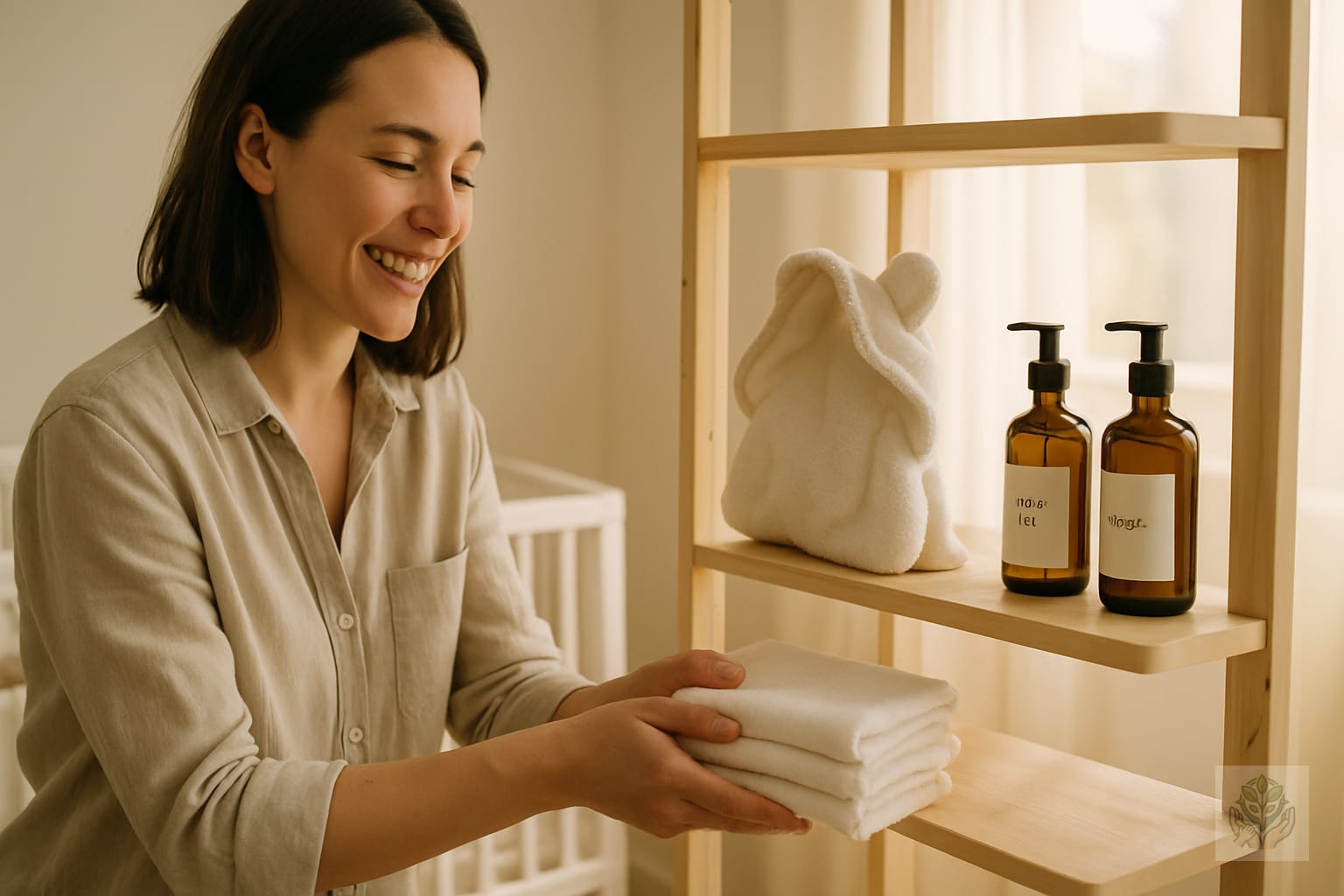
Best Baby Bath Products for Sensitive Skin: A Dermatologist-Recommended Guide
There are few things more heartbreaking for a new parent than seeing your baby struggle with red, itchy, or irritated skin. Whether it is a stubborn patch of cradle cap or persistent dryness, baby skin issues are incredibly common and often leave parents feeling helpless. The truth is, the culprit is frequently hiding in plain sight—right inside the bottle of baby wash you use every evening. To better understand these common concerns, you can refer to our everything parents should know about baby skin care: the ultimate guide.
Choosing the best baby bath products for sensitive skin is about more than just picking a cute bottle off the shelf. It requires a commitment to non-toxic, gentle ingredients that protect your baby’s delicate skin barrier. When you understand why your baby’s skin reacts the way it does, you can make informed choices that provide relief. In this guide, we will break down exactly how to navigate labels and select the safest, most effective products for your little one.
Understanding Baby Skin Sensitivity: Why It Happens
To understand why your baby needs special care, we must look at how their skin differs from yours. A baby’s skin is significantly thinner than adult skin and is still developing its natural protective barrier. Because it is more permeable, it absorbs substances more easily and loses moisture at a much faster rate.
Many common bathroom products are loaded with triggers that disrupt this fragile balance. Fragrances are the most frequent offender, even those labeled as natural. Sulfates, which create that bubbly lather we associate with being clean, can be incredibly stripping. Harsh preservatives like parabens can also trigger contact dermatitis. If you notice persistent redness, dry patches that do not go away with simple moisturizer, or persistent flakiness, your baby likely has sensitive skin that requires a minimalist approach.
What to Look for in Baby Bath Products (The ‘Clean’ Checklist)
Navigating the baby care aisle can feel like learning a new language. To simplify your shopping, use this checklist to ensure you are buying the safest options available.
- Fragrance-Free vs. Unscented: Always choose fragrance-free. The term unscented can be misleading, as it often means a masking fragrance was used to neutralize the smell of other chemicals. Fragrance-free means no fragrance ingredients are present at all.
- Avoid the Big Four: Steer clear of products containing parabens, phthalates, Sodium Lauryl Sulfate (SLS), and synthetic dyes. These ingredients have no place in a newborn’s skincare regimen.
- Look for Trustworthy Certifications: When in doubt, look for the National Eczema Association (NEA) seal of acceptance. This means a panel of experts has verified the product is safe for sensitive and eczema-prone skin. EWG Verified and USDA Organic certifications also provide excellent peace of mind regarding ingredient transparency.
Top 5 Recommended Baby Bath Products for Sensitive Skin
Based on dermatologist recommendations and parent feedback, these products are standouts for their gentle profiles.
- Best Overall: Aveeno Baby Eczema Therapy Wash. This cleanser is a staple for a reason. It uses colloidal oatmeal to soothe inflammation while gently cleansing without soap.
- Best Budget-Friendly: Baby Dove Sensitive Skin Moisture Wash. It is hypoallergenic, fragrance-free, and leaves the skin feeling soft without a heavy residue. It is easy to find at most local pharmacies.
- Best for Eczema-Prone Skin: Mustela Stelatopia Cleansing Gel. Formulated specifically for extremely dry or eczema-prone skin, this gel helps replenish the skin’s natural lipids during the bath.
- Best Natural/Plant-Based Option: Earth Mama Baby Wash. If you prefer plant-based ingredients, this is a top-tier choice. It is made without synthetic preservatives or artificial foaming agents.
- Best Multi-Purpose (Wash & Shampoo): Pipette Baby Shampoo & Wash. This product uses squalane derived from sugarcane, which mimics the natural oils babies are born with, ensuring their head-to-toe skin stays hydrated.
How to Build a Gentle Bath Routine for Sensitive Skin
Even the best baby bath products for sensitive skin will be ineffective if your routine is too harsh. Keep these steps in mind to maintain your baby’s skin health. For more general advice on maintaining your little one’s well-being, explore our everything parents need to know about baby bath time: the ultimate guide.
Keep Water Temperature Mild
Hot water strips away natural oils, even in adults. For babies, ensure the water is lukewarm. If you can test the water with your inner wrist, it should feel comfortable, not hot. Keep the bath duration short—five to ten minutes is plenty of time for a thorough clean.
The Pat-Dry Method
Resist the urge to scrub your baby dry with a towel. Instead, gently pat the skin until it is almost dry. Leaving a tiny bit of moisture on the skin helps with hydration before you apply any follow-up treatments. For help managing specific concerns like scalp health, see our tips on how to wash your baby’s hair without tears: a stress-free guide for parents.
The 3-Minute Rule
The best time to apply a gentle moisturizer is within three minutes of taking your baby out of the tub. By trapping the residual water into the skin with a fragrance-free lotion or balm, you prevent the moisture from evaporating, which is crucial for sensitive skin types.
Frequently Asked Questions (FAQs)
- How do I know if my baby is having an allergic reaction? Watch for sudden hives, swelling, or extreme redness immediately after using a new product. If the reaction is severe or accompanied by difficulty breathing, seek medical help immediately.
- Are organic baby products always better for sensitive skin? Not necessarily. Natural ingredients like essential oils can sometimes be potent allergens. Focus on products that are fragrance-free and hypoallergenic first, regardless of whether they are labeled organic.
- Can I use adult soap on my baby in an emergency? It is best to avoid it. Adult soaps often have a different pH balance and higher levels of detergents that are too harsh for a baby’s developing skin barrier.
- When should I consult a pediatrician about skin irritation? If you notice cracked, bleeding, or weeping skin, or if the rash does not respond to gentle, fragrance-free care after a few days, it is time to consult your pediatrician. To stay prepared for other common issues, review our common childhood illnesses every parent should know: a symptom guide.
Conclusion
Caring for a baby with sensitive skin is a journey that requires patience and a bit of detective work. By prioritizing ingredient transparency and focusing on the best baby bath products for sensitive skin that are free from harsh chemicals, you can keep your baby comfortable and happy. Always remember to patch-test new products on a small area of skin for 24 hours before applying them all over. Do you have a go-to brand that saved your baby’s skin? Share your experiences in the comments below or join our parenting newsletter for more tips on navigating your child’s health and wellness journey. For a comprehensive look at ensuring your nursery is ready for your little one, visit our everything parents need to know about baby safety: the ultimate guide.
Frequently Asked Questions
How do I know if my baby is having an allergic reaction?
Watch for sudden hives, swelling, or extreme redness immediately after using a new product. If the reaction is severe or accompanied by difficulty breathing, seek medical help immediately.
Are organic baby products always better for sensitive skin?
Not necessarily. Natural ingredients like essential oils can sometimes be potent allergens. Focus on products that are fragrance-free and hypoallergenic first, regardless of whether they are labeled organic.
Can I use adult soap on my baby in an emergency?
It is best to avoid it. Adult soaps often have a different pH balance and higher levels of detergents that are too harsh for a baby’s developing skin barrier.
When should I consult a pediatrician about skin irritation?
If you notice cracked, bleeding, or weeping skin, or if the rash does not respond to gentle, fragrance-free care after a few days, it is time to consult your pediatrician.
How often should I bathe a baby with sensitive skin?
Bathing your baby two to three times a week is usually sufficient for sensitive skin. Frequent bathing, especially with warm water, can strip natural oils and worsen dryness.
Is colloidal oatmeal safe for baby eczema?
Yes, colloidal oatmeal is widely recommended by dermatologists and pediatricians to soothe inflammation, relieve itching, and protect sensitive, eczema-prone baby skin.


