

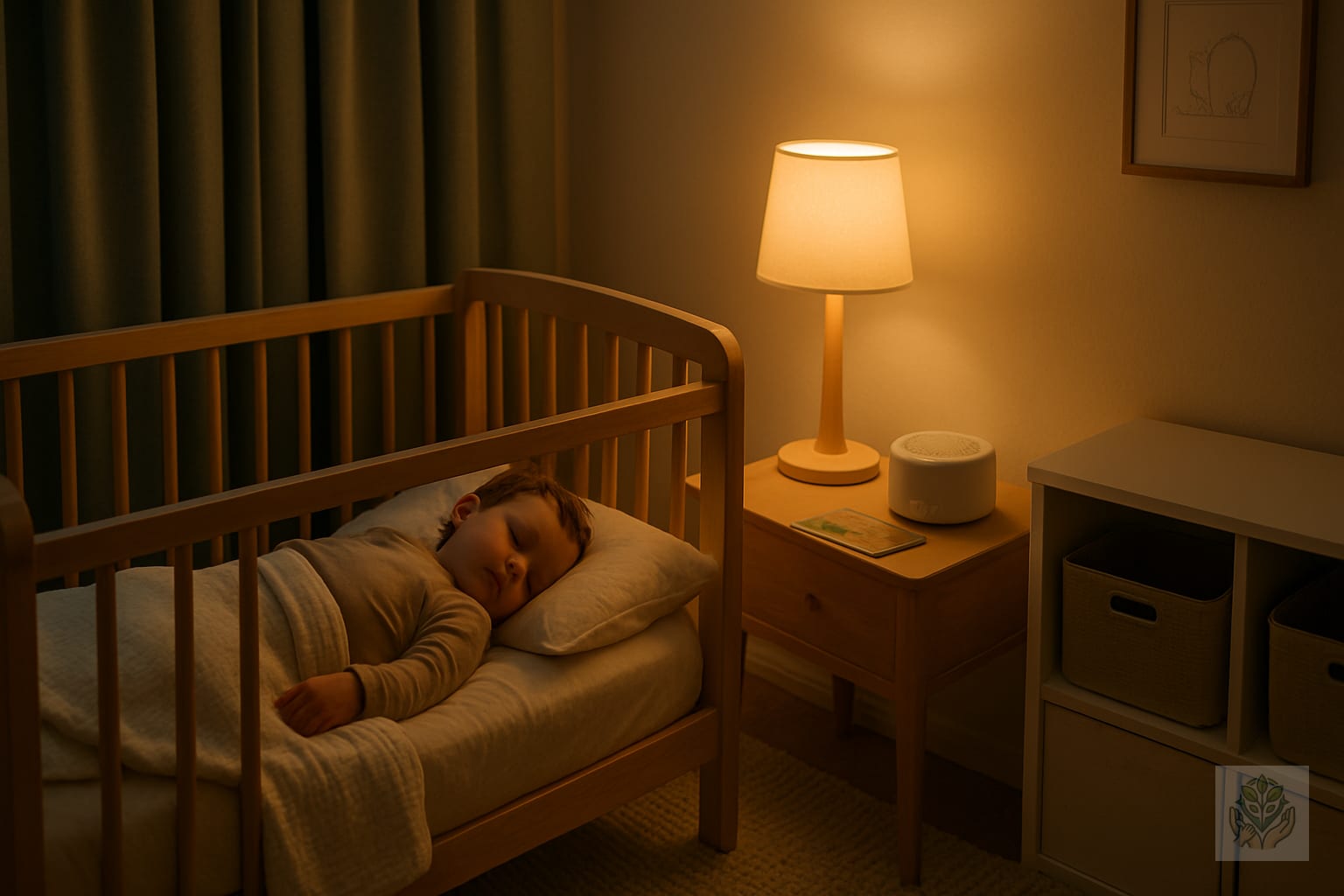
How to Create a Calm and Comfortable Sleep Environment for Kids
If you have ever spent hours pacing the floor with a wide-awake toddler or soothing a restless child in the middle of the night, you know that quality sleep is the foundation of family happiness. We often focus on sleep training methods or nap schedules, but one of the most overlooked factors is the physical space where your child rests. Learning how to create a calm and comfortable sleep environment for kids is one of the most effective ways to support healthy sleep hygiene and long-term well-being.
Why Your Child’s Sleep Environment Matters
Children are far more sensitive to their surroundings than adults. A room that feels too bright, too noisy, or overly stimulating can trigger their alertness, making it difficult for them to drift into deep sleep. By curating a dedicated sleep sanctuary, you send a biological signal to your child’s brain that it is time to wind down. A well-designed room acts as a bridge between the chaos of the day and the restoration of the night. If you are struggling with consistent rest, check out our guide on how much sleep do children need by age.
1. Mastering the Bedroom Atmosphere: Light and Darkness
The Importance of Blackout Curtains
Darkness is a crucial trigger for the production of melatonin, the hormone responsible for sleep. Even small amounts of street lighting or morning sunlight can disrupt your child’s internal clock. Investing in high-quality blackout curtains is one of the most impactful changes you can make. These curtains block out external light sources, keeping the room dark enough to encourage sleep during early summer sunsets or late morning sunrises.
Choosing the Right Night Light (Red vs. Blue Light)
For children afraid of the dark, a night light is a necessity. However, not all light is created equal. Avoid blue-tinted LED lights, which mimic daylight and inhibit melatonin production. Instead, opt for a night light that emits a warm, soft red or amber glow. These warmer tones are much gentler on the eyes and are less likely to interfere with your child’s ability to fall back asleep if they wake up during the night.
2. Controlling Sound for Uninterrupted Sleep
Using White Noise Machines to Mask Household Sounds
Quiet homes rarely stay quiet for long. Between creaky floorboards, a barking dog, or television noise from the living room, sudden sounds can easily startle a sleeping child. A white noise machine provides a consistent, soothing background hum that effectively masks these jarring disruptions. This creates a sound buffer, allowing your child to drift through sleep cycles without being woken by the ambient noise of a busy household.
Tips for Minimizing Echo and Outside Noise
Beyond white noise, the physical layout of the room matters. Hard surfaces, like hardwood floors or bare walls, reflect sound and create echoes. You can dampen these sounds by adding soft furnishings. Thick area rugs, heavy curtains, or even wall hangings can absorb noise, making the room feel quieter and more insulated from the rest of the house.
3. Temperature and Bedding: Creating a Cozy Sanctuary
The Ideal Temperature Range for Kids’ Sleep
Pediatric sleep experts generally agree that the ideal temperature for a child’s bedroom is between 65 and 70 degrees Fahrenheit (18 to 21 degrees Celsius). A room that is too hot can cause discomfort and restlessness, while a room that is too cold can be jarring. Keeping the bedroom at a cool, stable temperature helps the body regulate itself for optimal rest.
Selecting Breathable Fabrics and Bedding
Bedding choice is just as important as the room’s thermostat. Choose natural, breathable fabrics like organic cotton or bamboo. These materials wick away moisture and help regulate body temperature throughout the night. Avoid heavy synthetic materials that trap heat, as overheating can lead to discomfort and frequent middle-of-the-night wakings. To ensure you have the right setup, refer to our tips on baby fitted sheets: what parents should look for.
4. The Psychology of Space: Decluttering and Calm Decor
Why Less is More: Reducing Visual Stimulation
A room overflowing with toys, bright posters, and scattered gear can be visually stimulating, keeping a child’s mind active when it should be powering down. Aim for a minimalist approach in the sleeping area. Use bins or closed storage to hide toys away, ensuring the room feels tidy and peaceful when it is time for bed. The less clutter a child sees, the less their brain has to process. For better organization, explore these 10 clever shelf organization ideas for children’s rooms.
Choosing Calming Colors for Bedroom Walls
The color palette of a room influences mood. For a child’s bedroom, prioritize soft, muted colors like sage green, pale blue, or warm neutrals. These colors are scientifically linked to feelings of tranquility. Avoid high-energy, vibrant colors like bright red or neon orange, which can be visually loud and distracting for a child trying to settle down.
5. Beyond the Physical: Establishing a ‘Sleep-Ready’ Routine
Limiting Screen Time Before Bed
The blue light emitted by tablets, televisions, and smartphones is the enemy of sleep. It suppresses melatonin production and keeps the brain in a state of high alert. Establish a strict technology cutoff at least 60 minutes before bedtime. Replace screen time with quiet activities such as reading a book, coloring, or low-key conversation to help the nervous system settle. You can learn more about managing this in our guide on creating a balanced screen time routine for kids.
Incorporating Calming Scents (Lavender) and Sensory Cues
Sensory cues are powerful tools for conditioning the brain for sleep. Incorporating a subtle, calming scent like lavender—either through a diffuser or a pillow spray—can become a recognizable trigger for bedtime. Pairing this scent with a consistent routine, such as a warm bath or soft bedtime music, helps your child associate these sensory inputs with the safety and comfort of sleep.
Troubleshooting Common Sleep Environment Challenges
Even with the best environment, you might face challenges. If your child is still struggling, check for hidden sources of discomfort. Are their pajamas itchy? Is the mattress too firm? Is there a draft near the window? Often, small, simple adjustments are all it takes to turn a difficult sleeper into a restful one. Remember to keep the environment consistent; if you travel, try to replicate the same lighting, noise, and routine settings as closely as possible to maintain their sense of security. If behavioral issues persist, read our strategies on how to help a child who fights bedtime.
Conclusion: Consistency is the Key to Better Sleep
Learning how to create a calm and comfortable sleep environment for kids is a journey, not a quick fix. By focusing on the fundamentals—light, sound, temperature, and comfort—you are laying the groundwork for healthy sleep habits that will last a lifetime. Be patient with the process, stay consistent with your routines, and enjoy the peace of mind that comes with a well-rested, happy child. For more ways to maintain a peaceful home, see our advice on setting clear rules without constant arguments.
Frequently Asked Questions (FAQs)
- Is it okay to use a night light for my baby? Yes, provided it is a warm-toned, low-wattage light that doesn’t shine directly into their eyes.
- How soon should I turn off screens before bed? Experts recommend at least one hour of screen-free time before sleep to allow melatonin levels to rise.
- What if my child prefers a completely quiet room? If your child is sensitive to sound, ensure the house is quiet, but a white noise machine is usually still beneficial for masking sudden, unexpected household noises.
- Can essential oils help a child sleep? Lavender is generally safe and effective for many children, but always check with your pediatrician and ensure you are using high-quality, child-safe products in a well-ventilated space.
Frequently Asked Questions
Is it okay to use a night light for my baby?
Yes, provided it is a warm-toned, low-wattage light that doesn’t shine directly into their eyes.
How soon should I turn off screens before bed?
Experts recommend at least one hour of screen-free time before sleep to allow melatonin levels to rise.
What if my child prefers a completely quiet room?
If your child is sensitive to sound, ensure the house is quiet, but a white noise machine is usually still beneficial for masking sudden, unexpected household noises.
Can essential oils help a child sleep?
Lavender is generally safe and effective for many children, but always check with your pediatrician and ensure you are using high-quality, child-safe products in a well-ventilated space.
What is the ideal bedroom temperature for kids?
Pediatric sleep experts recommend keeping the bedroom between 65 and 70 degrees Fahrenheit for optimal rest and comfort.
Why are blackout curtains important for children’s sleep?
Blackout curtains block external light sources, keeping the room dark enough to encourage melatonin production and prevent early morning wakings.


