

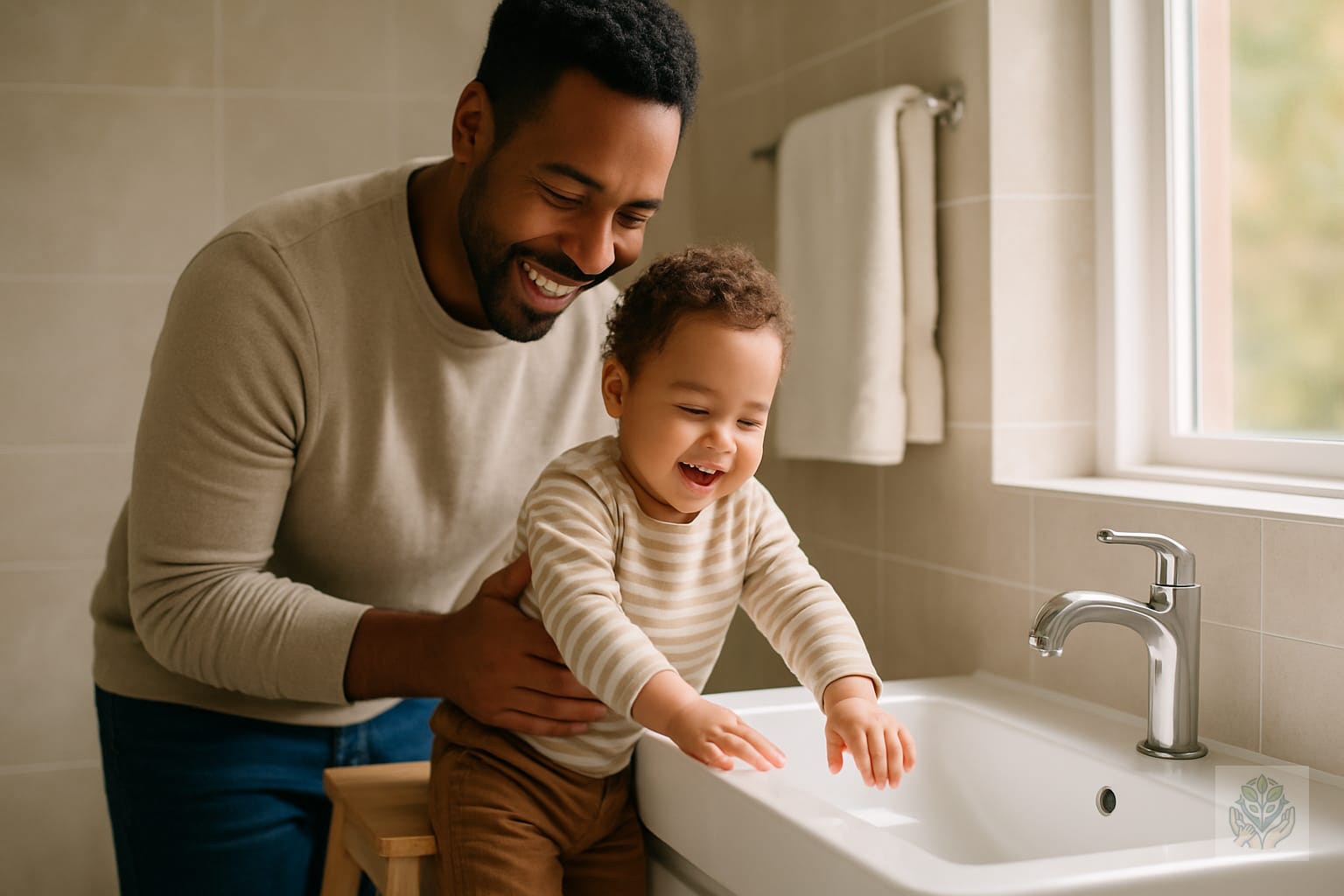
How to Teach Children To Wash Their Hands Properly: A Fun, Step-by-Step Guide
As parents, we are constantly navigating the challenges of keeping our little ones healthy. From the moment they start exploring the world with their hands, they are also picking up germs. Teaching children how to wash their hands properly is one of the most effective ways to prevent illness, yet it often feels like a daily battle. By transforming this essential hygiene task into a positive and engaging experience, you can help your child build a lifelong habit that protects their health and the health of those around them.
Early childhood is the perfect window for habit formation. When we integrate proper hand hygiene into the daily routine early on, it becomes second nature rather than a chore. The goal is to make the process simple, consistent, and—most importantly—fun. You can explore more healthy hygiene habits every child should learn to support their overall well-being.
The Science of Clean: Why Handwashing Matters
Explaining germs to children can be tricky. We want to teach them the importance of cleanliness without making them anxious about the world around them. Instead of focusing on scary microscopic monsters, try describing germs as tiny, invisible hitchhikers that like to travel on our hands. When we touch our eyes, noses, or mouths, these hitchhikers jump off and can make us feel sick. Discover more about how to support your child’s immune system naturally through healthy daily practices.
By framing it this way, you explain that effective handwashing is simply the way we help these tiny visitors find a new home down the drain. This understanding is key to improving school and daycare attendance. When children understand the why behind the action, they are much more likely to follow through on their own.
The 6-Step Guide to Proper Handwashing
To ensure your child is truly clean, they need a clear, repeatable process. Follow these steps to master the art of handwashing:
- Step 1: Wetting hands with clean water. Start by turning on the faucet and wetting hands under running water. Ensure the temperature is comfortable—not too hot and not too cold.
- Step 2: Using soap effectively. Encourage your child to use enough soap to cover all surfaces of their hands. Foaming soap dispensers are often easier for little ones to use independently.
- Step 3: Scrubbing. This is the most important part. Instruct your child to scrub their palms, the backs of their hands, between their fingers, and especially under their fingernails where dirt likes to hide.
- Step 4: The 20-second rule. Scrubbing needs time to break down the germs. Twenty seconds is the magic number, which is roughly the time it takes to sing the Happy Birthday song twice.
- Step 5: Thorough rinsing. Rinse all the soap away under clean, running water. Ensure they rinse until no bubbles remain.
- Step 6: Drying hands completely. Germs thrive in moisture. Teach your child to dry their hands thoroughly with a clean towel or paper towel.
Making Handwashing Fun: Creative Strategies for Parents
If handwashing feels like a burden, kids will naturally resist it. You can change the dynamic by using a few creative, parent-tested strategies. For more inspiration on building routines, check out our guide on how parents can encourage independent hygiene habits.
Try the glitter germ experiment to show the power of soap. Put a little lotion on your child’s hands and sprinkle them with glitter. Show them how difficult it is to remove the glitter with just water, then watch how easily it washes away with soap and friction. This provides a visual confirmation that soap is the secret weapon against germs.
Music is another fantastic tool. Curate a handwashing playlist featuring 20-second songs that your child enjoys. When the music plays, they scrub. When the song ends, they rinse. You can also utilize visual timers or cute, kid-friendly soap dispensers shaped like their favorite characters. Making the bathroom environment accessible with a sturdy step stool ensures they can reach the sink easily, removing physical barriers to good hygiene.
Troubleshooting Common Challenges
Every child is different, and you might face specific hurdles. If you have a water-shy toddler, start by using a bowl of warm water or letting them play with a toy in the sink to build confidence. If your child struggles with the texture of certain soaps, look for fragrance-free or hypoallergenic options that feel smoother on the skin.
Consistency is key to forming habits. Make sure to prompt handwashing after specific transition points: returning from the playground, after using the bathroom, before eating meals, and after petting animals. You can integrate these steps into a daily routine for kids to ensure consistent habit building. Keep these prompts gentle and routine-focused rather than nagging.
Expert Tips for Success
As a parent, you are your child’s greatest role model. When you wash your hands with them, you demonstrate that hygiene is a universal practice, not just a rule for kids. Positive reinforcement—like high-fiving after a job well done—works wonders compared to punishment. If they forget to wash up, simply remind them with a smile: Oh, let’s go get those germs off before we eat! You can also utilize positive parenting techniques to make cooperation easier.
Remember that while hand sanitizer is a convenient backup, soap and water are the gold standard. Reserve sanitizer for when you are on the go, but prioritize the sink whenever you are at home to ensure their hands are truly clean.
Conclusion
Teaching your children how to wash their hands properly is an investment in their health that pays dividends for years to come. By turning the 6-step process into a fun, rewarding daily habit, you are empowering your child with the skills to take care of themselves. Stay consistent, model the behavior, and keep the experience positive. With time and patience, your kids will master this essential life skill with ease.
What is your child’s favorite 20-second song to sing while washing up? Share your best handwashing tips in the comments below—let’s learn from each other!
Frequently Asked Questions
At what age should I start teaching my child to wash their hands?
You can start as early as toddlerhood by helping them wash their hands with soap and water after messy activities or before eating, building the foundation for independent hygiene habits.
How long should children wash their hands?
Children should scrub their hands for at least 20 seconds, which is roughly the time it takes to sing the ‘Happy Birthday’ song twice.
What is the best way to make handwashing fun for toddlers?
You can use foaming soaps, kid-friendly step stools, singing fun 20-second songs, or trying the glitter germ experiment to make handwashing an engaging activity.
Are hand sanitizers as effective as soap and water?
Soap and water are the gold standard because they physically remove germs and dirt. Hand sanitizers are a great convenient backup when you are on the go.
When should children always wash their hands?
Children should wash their hands after using the bathroom, returning from the playground or school, before eating meals, and after touching pets.
What should I do if my child resists washing their hands?
Keep the experience positive, use gentle prompts, and lead by example by washing your hands together as a family routine rather than a chore.


