

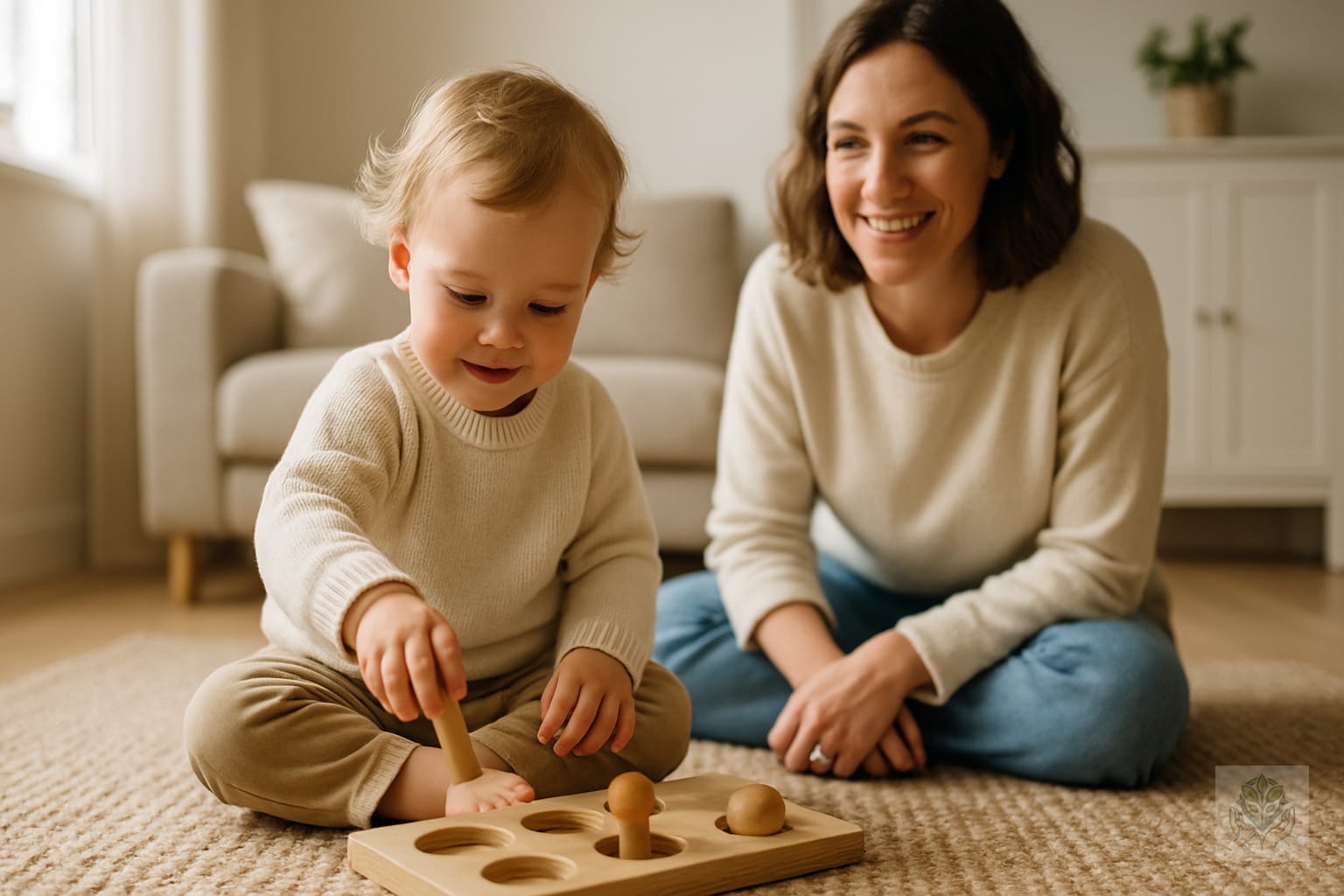
Wooden vs. Plastic Puzzle Games: Which is Better for Your Child’s Development?
As parents, we are constantly making decisions about the items we bring into our homes. From the furniture in the nursery to the toys scattered across the living room floor, every choice influences our child’s growth. Puzzles are a staple in early childhood development, serving as essential tools for building problem-solving skills, spatial awareness, and fine motor dexterity. However, the common dilemma remains: should you choose classic wooden vs. plastic puzzle games?
While both material types serve the same primary goal, their impact on a child’s sensory experience and environmental footprint varies significantly. By comparing the durability, sensory value, and long-term developmental benefits of these materials, we can help you make an informed decision that aligns with your family values.
The Case for Wooden Puzzle Games
Wooden puzzle games have stood the test of time for a reason. There is an undeniable quality to natural materials that connects a child to the physical world. Unlike synthetic alternatives, wood offers unique sensory feedback. The weight, the subtle grain patterns, and the scent of natural timber provide a grounding sensory experience that many experts believe fosters a deeper appreciation for nature and physical objects.
One of the strongest arguments for choosing wooden toys is their durability. A high-quality wooden puzzle can last for generations, often becoming an heirloom that can be passed down from one sibling to another or even to the next generation. These puzzles do not crack or snap easily under the pressure of a toddler’s enthusiastic play. From a safety perspective, parents often prefer wooden options to avoid the risk of microplastics and potential exposure to harmful chemicals like BPA or phthalates, provided the wood is finished with non-toxic, water-based paints or oils. You can also explore wooden Montessori toys vs. plastic toys to understand how these materials fit into different pedagogical approaches.
The Case for Plastic Puzzle Games
Plastic puzzle games serve an important role in many modern households, primarily due to their accessibility and affordability. Because plastic manufacturing allows for mass production, these puzzles are often budget-friendly and widely available. They are also highly versatile, allowing for intricate designs, vibrant, high-contrast colors, and the integration of popular character branding that can excite toddlers who are just starting to show interest in specific shows or themes.
Maintenance is another area where plastic often wins. For parents of younger children who are still prone to mouthing toys or making messes, the ability to wash a puzzle with soap and water or sanitize it quickly is a major convenience. Plastic puzzles are also generally lightweight, which makes them easier for small, developing hands to manipulate, especially for younger children who are still perfecting their grasp.
Head-to-Head Comparison
When stacking these two materials against each other, the decision often comes down to your personal priorities:
- Durability and Longevity: While plastic can be durable, it is susceptible to warping, cracking, and fading. Wooden puzzles generally maintain their structural integrity longer, surviving the accidental tumbles and ‘toddler tests’ better than most plastic alternatives.
- Environmental Impact: Wood is a renewable resource. If a wooden puzzle is sourced sustainably and finished safely, its carbon footprint is significantly lower than that of mass-produced, petroleum-based plastics.
- Educational Value: Both styles offer immense educational value. However, the tactile, weighted nature of wooden pieces provides more meaningful feedback to a child’s nervous system, helping them gauge force and precision. Learn more about puzzle games that improve memory and focus.
- Safety Standards: Always check for labels. Both plastic and wood can be safe, but you must ensure that plastic is BPA-free and that wooden puzzles use non-toxic, lead-free paints that are safe for toddlers who might still explore the world with their mouths.
How to Choose Based on Your Parenting Philosophy
Your parenting style should guide your purchasing habits. If you lean toward a minimalist or Montessori-inspired home, you might prefer wooden puzzle games. These toys align with the Montessori principle of using natural materials to help children concentrate and engage with their environment in an undistracted, purposeful way. You can find more inspiration in our guide to 10 Montessori toys that encourage independent play.
If you are a budget-conscious family or someone who travels frequently, do not discount plastic. A small, lightweight plastic puzzle set can be a lifesaver during a long flight or a visit to a restaurant. The key is to curate a collection that serves different needs. You might choose wooden puzzles for quiet play at home and plastic-free sets for portable convenience. To keep your adventures smooth, review our list of essential travel accessories for kids.
Best Practices for Puzzle Maintenance
No matter which material you choose, proper care ensures your puzzles remain safe and usable for years to come. For wooden puzzles, avoid submerging them in water, which can cause the wood to expand or warp. Instead, use a damp cloth with mild vinegar or a natural wood cleanser. If the wood feels dry over time, a light rub with food-grade beeswax can restore its luster.
To prevent the frustration of lost pieces, move away from original cardboard boxes that tear easily. Consider using clear, zippered mesh bags or labeled wooden trays to keep specific puzzles contained. If a puzzle is missing too many pieces to be functional, it is time to retire it. Consider donating it for parts or crafting, rather than simply sending it to a landfill.
Conclusion
Deciding between wooden vs. plastic puzzle games does not have to be an all-or-nothing proposition. Both materials offer valid benefits depending on your child’s developmental stage, your home environment, and your family’s lifestyle. Wooden puzzles offer a timeless, sensory-rich experience that stands the test of time, while plastic puzzles provide affordability and ease of care that can make daily life simpler.
Ultimately, the most important aspect of a puzzle is not what it is made of, but the quality time you spend helping your child work through it. By intentionally curating your collection with a mix of durable, sustainable, and functional options, you create an environment where your child can thrive. We encourage you to browse our complete guide to puzzle games for kids to find high-quality pieces that will bring joy and learning to your home for years to come.
Frequently Asked Questions
Are wooden puzzle games better for child development than plastic ones?
Wooden puzzles offer superior tactile and sensory feedback, which helps children develop fine motor skills and spatial awareness. However, both materials provide excellent cognitive benefits.
Which puzzle material is safer for toddlers?
Both can be safe if certified non-toxic. High-quality wooden puzzles avoid microplastics and chemical softeners, while safe plastics are explicitly labeled BPA-free and phthalate-free.
Do wooden puzzle games last longer than plastic ones?
Yes, wooden puzzles are generally much more durable, resisting cracks and warping better than plastic alternatives, often lasting as heirlooms for generations.
Are plastic puzzle games easier to clean?
Plastic puzzles are typically easier to sanitize because they can be washed with soap and water without risking water damage or warping.
Why do Montessori methods favor wooden puzzle games?
Montessori education emphasizes natural materials like wood because they provide authentic sensory experiences that ground children and encourage focused, purposeful play.
How should I maintain and clean wooden puzzle games?
Wipe wooden puzzles with a damp cloth and mild natural cleanser. Avoid submerging them in water, and occasionally apply food-grade beeswax to maintain the wood.


