

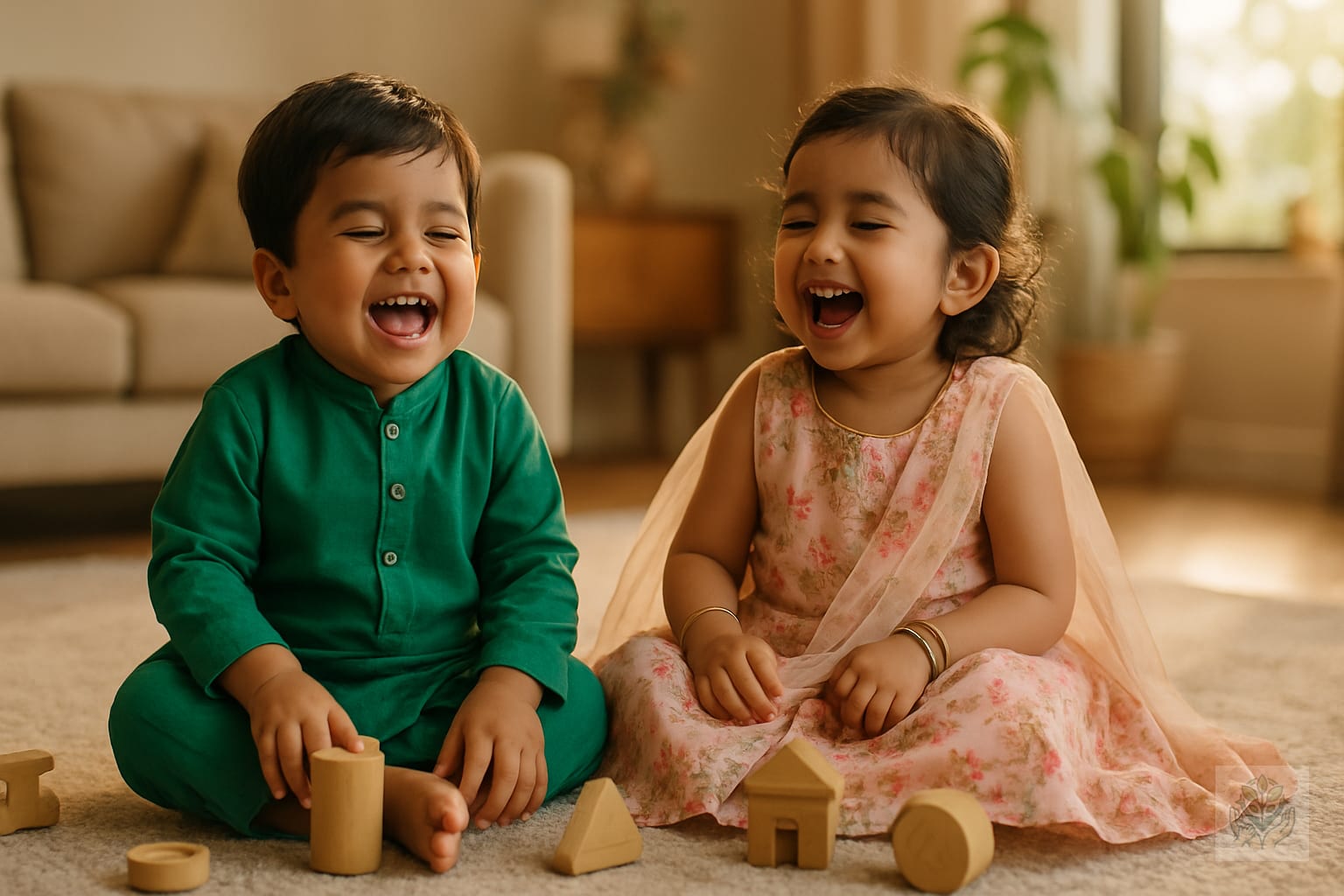
10 Adorable Ethnic Wear Ideas for Toddlers and Preschoolers for Every Occasion
There is something undeniably heartwarming about seeing a toddler dressed in vibrant, traditional attire. Whether it is a family wedding, a religious festival, or a cultural celebration, ethnic wear adds a special layer of magic to childhood memories. However, for parents, the excitement of shopping for these outfits often comes with a practical challenge: balancing high-fashion festive style with the active, unpredictable nature of toddlers and preschoolers.
As a parent, you know that your little one is constantly on the move. They are running, sitting, crawling, and exploring. When selecting ethnic wear ideas for toddlers and preschoolers, it is crucial to prioritize soft, skin-friendly fabrics that allow for movement. Below, we guide you through everything you need to consider to ensure your child looks adorable without compromising their comfort or safety. For more inspiration on festive dressing, check out our 10 Best Traditional Indian Festival Outfits for Kids.
Key Factors to Consider Before Buying
Before you get swept away by the intricate embroidery and bright colors, take a moment to evaluate the practical side of the clothing. The most beautiful outfit in the world is useless if your child is uncomfortable, itchy, or restricted in their play.
Fabric Choice: Putting Comfort First
Avoid heavy synthetic materials that can trap heat and cause skin irritation. Instead, prioritize breathable cottons, lightweight chanderi, or soft silks. These fabrics are not only gentle on sensitive skin but also drape beautifully, giving the outfit an authentic look while remaining cool for the child. If you are also shopping for daily essentials, learn about Best Baby Bath Products for Sensitive Skin to ensure their skincare routine is just as gentle.
Ease of Wear
Look for thoughtful design details such as elastic waistbands instead of complex drawstring closures. Snap buttons are a lifesaver for quick diaper changes or emergency bathroom breaks, while concealed zippers are better than hooks that might catch on soft skin. The easier an outfit is to put on and take off, the happier your child will be during the changing process.
Safety First
Toddlers are inquisitive and often put things in their mouths. Always inspect garments for loose beads, sequins, or long hanging strings that could pose a choking hazard. Ensure that all decorative elements are securely stitched and that the inner lining of the garment is made of soft cotton to prevent any scratchiness against the skin.
Ethnic Wear Ideas for Toddler Girls
When it comes to dressing your little princess, there are plenty of options that bridge the gap between tradition and playfulness.
- Lehenga Choli with Soft-Net Dupattas: Choose a lightweight lehenga with a soft-net dupatta. Ensure the choli has a wide neck for easy wear and minimal heavy embroidery near the armpits.
- Anarkali Suits: These are perfect for a twirl-worthy look. The flare provides ample room for movement, making them ideal for long festive days.
- Kurta-Palazzo Sets: These offer maximum mobility. Palazzos are loose and airy, allowing toddlers to sit comfortably on the floor during prayers or family gatherings.
- Cotton Pattu Pavadai: A classic for temple visits or family pujas, the cotton variant of this traditional skirt-and-blouse set is breathable and durable for all-day wear.
Ethnic Wear Ideas for Toddler Boys
Boys’ ethnic fashion has evolved significantly, offering styles that are both dapper and highly functional for energetic boys.
- Kurta-Pyjama Sets with Nehru Jackets: This is a timeless combination. The Nehru jacket adds an extra layer of style, and you can easily remove it if the child gets too warm.
- Sherwani-Style Rompers: For infants and young toddlers, sherwani-style rompers provide the aesthetic of a royal outfit with the convenience of a snap-button bodysuit.
- Dhoti-Kurta Sets: Opt for pre-stitched dhotis that have elastic waists. These provide the traditional look of a dhoti without the stress of managing yards of fabric.
- Pathani Suits: These offer a modern, cool ethnic vibe. They are generally very comfortable to wear and allow for easy running and playing.
Styling and Accessorizing for Preschoolers
The secret to accessorizing preschoolers is keeping it minimal. Overloading a child with heavy jewelry or uncomfortable accessories can make them irritable.
Minimalist Jewelry
Instead of heavy bangles or necklaces, consider a simple soft headband or a single pair of lightweight, clip-on earrings. If your child is older, a delicate silk thread bracelet can add a pop of color without being heavy or distracting.
Comfortable Footwear
Shoes can make or break the day. Choose soft-soled juttis or mojaris that come with extra padding or soft insoles. Avoid stiff heels or hard soles that might cause blisters, as your child will likely spend a lot of time walking or dancing. For everyday comfort, read our expert advice on how to choose the right shoes for toddlers.
Layering
Weather can be unpredictable. If the event is in the evening or a cooler climate, have a coordinating stole or a light jacket ready to layer over the ethnic outfit. This keeps the look cohesive while ensuring your child stays warm. When preparing for travel, don’t forget to include these 15 Essential Travel Accessories for Kids to ensure a stress-free trip.
Maintenance and Care Tips
High-quality ethnic wear deserves proper care to stay in good condition for future events or younger siblings.
- Hand-washing: Always hand-wash outfits with delicate embroidery or zari work. Avoid wringing the fabric, as this can damage the fine threads.
- Storage: Store garments in cotton bags rather than plastic to prevent moisture buildup. Keep them away from direct sunlight to prevent color fading.
- Managing Itchy Linings: If you find that the lining of a beautiful outfit is slightly rough, don’t worry. Simply make your child wear a thin, soft cotton slip or a basic vest underneath to create a barrier between the skin and the fabric.
Conclusion
Finding the perfect ethnic attire for your child is a beautiful way to celebrate your heritage and create lasting memories. By focusing on breathable fabrics, secure closures, and age-appropriate designs, you can ensure that your toddler or preschooler feels confident and comfortable in their traditional wear. Remember, the most important part of the day is your child’s happiness, so prioritize comfort above all else. Whether you choose a simple kurta or a vibrant lehenga, your little one is sure to steal the show. What is your favorite ethnic style for your child? If you are looking for more ways to keep them engaged, browse our 15 Engaging Family Game Night Ideas for Toddlers and Preschoolers. Share your thoughts and photos in the comments below!
Frequently Asked Questions
What is the best fabric for kids’ ethnic wear?
The best fabrics for children are breathable, natural materials like cotton, soft chanderi, or high-quality silk blends. These allow for airflow, prevent skin irritation, and ensure the child stays cool and comfortable during long events.
How can I make ethnic outfits comfortable for toddlers?
Prioritize outfits with elastic waistbands, soft cotton linings, and minimal heavy embroidery. Avoid stiff materials or complex closures, and always test the garment for scratchiness before a long event.
Are pre-stitched dhotis good for boys?
Yes, pre-stitched dhotis are excellent for toddlers and preschoolers. They offer the traditional look of a classic dhoti but come with elastic waists and easy slip-on designs, making them much more practical for energetic children.
How to handle itchy linings in festive clothes?
If an outfit has a slightly rough lining, simply have your child wear a soft, thin cotton undershirt or slip underneath. This creates a protective, comfortable barrier between the delicate skin and the festive fabric.
What accessories are safe for preschoolers?
Keep accessories minimal to avoid discomfort or safety hazards. Use soft headbands, lightweight clip-on earrings, or simple silk thread bracelets. Avoid heavy jewelry that can cause irritation or pose a choking risk.
How should I wash delicate ethnic clothing?
Hand-wash outfits with delicate embroidery or zari work using a mild detergent. Avoid wringing the fabric to protect the fine threads, and store them in breathable cotton bags away from direct sunlight.


