

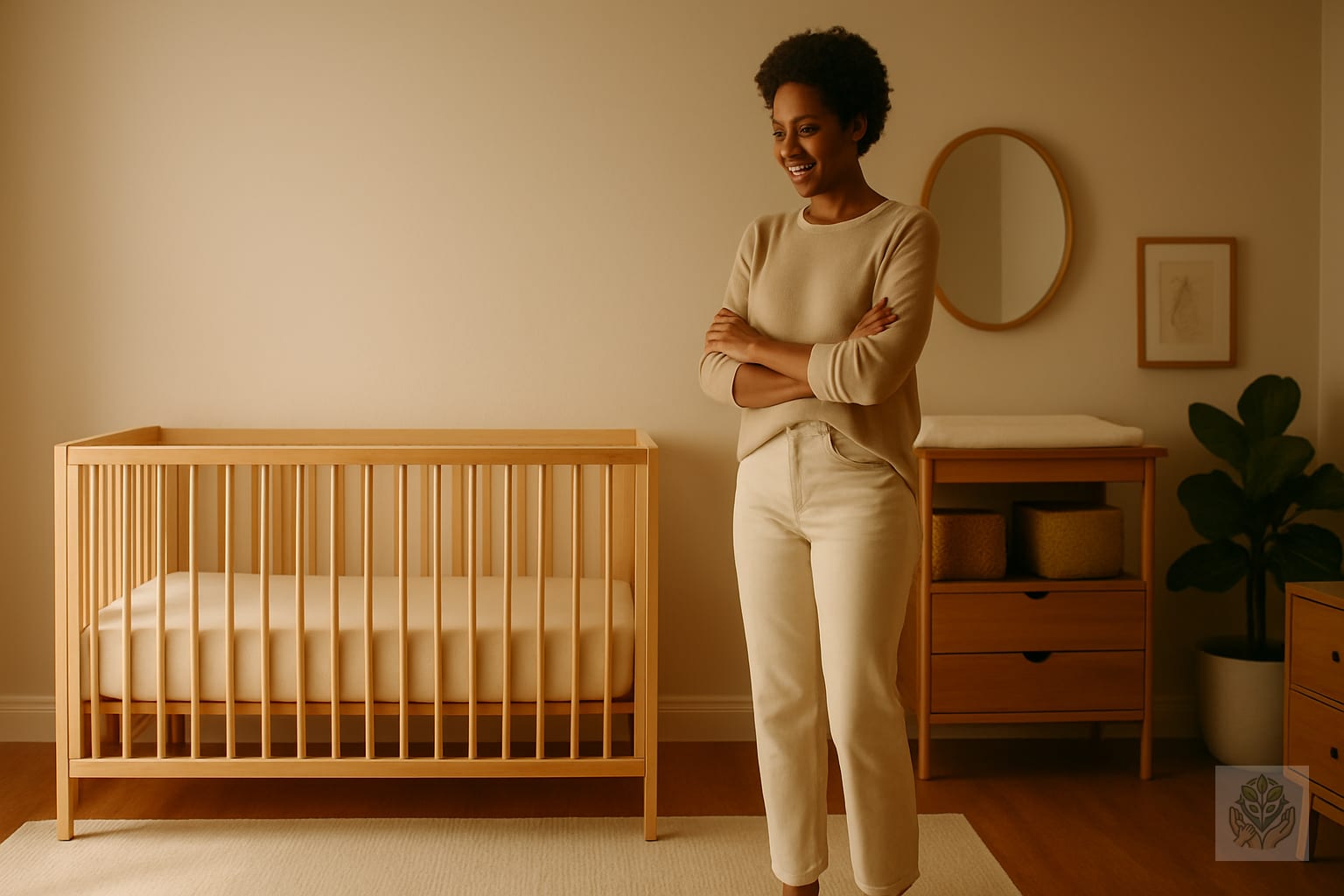
Crib Placement Tips for a Safe Nursery: The Ultimate Guide for New Parents
Preparing for a new arrival is an exciting time filled with nursery mood boards and late-night research. While choosing the right paint color or theme is fun, the most critical decision you will make involves the physical layout of the room. Mastering crib placement tips for a safe nursery is not just about interior design; it is a foundational step in ensuring your baby’s sleep space is secure and healthy. For more tips on setting up your space, explore our how to choose safe baby furniture for your home guide.
A properly positioned crib significantly reduces the risk of accidental injury and SIDS (Sudden Infant Death Syndrome). By intentionally planning where you place your baby’s bed, you can minimize environmental risks and ensure that their sanctuary is protected from hazards. This guide will walk you through how to optimize your nursery layout for both safety and daily functionality.
The Golden Rule: Keeping the Crib Away from Hazards
When you start mapping out your nursery, the first priority is distance. Your crib should function as an island of safety, tucked away from anything that could pose a potential risk to a curious or growing infant. The most important of our crib placement tips is to keep the crib away from windows.
Windows are magnets for danger. Blind cords, curtains, and decorative ribbons present significant strangulation hazards. Even if you secure the cords, windows can introduce unwanted drafts or excessive sunlight that may disrupt your baby’s internal clock. Furthermore, glass can shatter or become dangerously hot or cold depending on the season and exterior conditions. For a comprehensive look at sleep safety, see our crib safety essentials every parent should know.
Beyond windows, look at your walls. Avoid placing the crib near electrical outlets, lamps, or power cords. Babies are expert grabbers; as they grow, their reach expands, and they will eventually be able to pull items into the crib. The same logic applies to wall hangings, heavy mirrors, or shelving units. If a frame or a shelf could fall, it should not be mounted on the wall directly above the crib.
Environmental Factors: Temperature and Air Quality
Infants are sensitive to their surroundings, and maintaining a comfortable environment is key to safe sleep. Nursery safety involves keeping the sleeping area away from heating and cooling sources. Placing a crib directly under or near a vent, radiator, or space heater can lead to overheating, which is a known risk factor for SIDS. You can learn more about creating the right atmosphere in our guide on how to create a calm and comfortable sleep environment for kids.
Air quality and temperature regulation go hand-in-hand. You want a consistent, mild environment in the crib. Avoid positioning the crib where the heater will blow hot air directly onto your baby. Similarly, avoid drafty areas where the baby might get too cold in the winter. A calm, neutral corner of the room, away from the direct path of HVAC output, is generally the safest bet for maintaining an optimal temperature.
Additionally, avoid direct sunlight exposure. While a sunny room looks beautiful in photos, prolonged exposure to direct sunlight can heat up the mattress or the baby’s skin while they are napping. If the room has large windows, consider blackout curtains or blinds to keep the space cool and dark during the day.
Functionality: Creating an Efficient Nursery Flow
Safety is the priority, but functionality matters for your own mental well-being as a parent. A well-designed nursery layout makes those midnight feedings and diaper changes much smoother. When planning, consider your path through the room.
Keep your changing table and diaper station within a comfortable distance of the crib, but ensure that any supplies—like lotions, wipes, or diapers—are well out of the baby’s reach. You want to be able to reach these items quickly without having to turn your back on the baby for an extended period. For guidance on selecting the right furniture style to match your layout, check our how to choose a crib for your baby’s nursery guide.
Ensure you have a clear, unencumbered path to the crib. You will be visiting this room in the dark, often while tired. Avoid creating an obstacle course of furniture. Finally, try to position the crib so that you can easily see your baby from the doorway. Being able to peek in without fully entering the room allows you to check on them without risking waking them up.
Common Crib Placement Mistakes to Avoid
Even well-intentioned parents sometimes make errors in nursery design. One common mistake is placing the crib directly under a ceiling fan. While fans can promote air circulation, which is generally good for nursery air quality, a fan positioned directly over the bed can collect dust that might drop onto the baby, and it can also create a direct draft that feels too strong for a newborn. You can also look into genius shelf organization ideas for children’s rooms to keep the rest of the furniture safe and clutter-free.
Another issue is placing the crib against an exterior wall in extreme climates. Exterior walls are often colder or warmer than interior ones, depending on the insulation of your home. If possible, opt for an interior wall to provide a more stable temperature for your baby.
Finally, avoid the temptation to group furniture too closely to the crib. As your baby develops, they will eventually learn to stand and pull themselves up. If a rocking chair, toy chest, or nightstand is too close, it becomes a literal step stool. Keep the perimeter around the crib completely clear of any objects they could use to climb out once they hit those toddler milestones.
Quick Checklist: Is Your Crib Placed Safely?
Once you have finished assembling the nursery, walk through this checklist to ensure everything is secure:
- Is the crib at least three feet away from all windows and window treatments?
- Are there no power cords, lamp wires, or electrical outlets within reach of the crib rails?
- Have you removed all wall hangings, mirrors, or heavy shelves from directly above the crib?
- Is the crib away from direct airflow from vents, radiators, or ceiling fans?
- Can you move freely through the room in the dark without bumping into furniture?
- Is there any furniture nearby that could serve as a step for the baby to climb out?
Conclusion
Creating a safe sleep environment is one of the most loving things you can do for your child. By following these crib placement tips for a safe nursery, you are laying the groundwork for many nights of peaceful, secure rest for your baby. Remember that as your baby grows and reaches new milestones, you should reassess the room layout to ensure it remains a hazard-free zone. As your child transitions, you might also find our step-by-step guide on how to choose a color theme for a baby nursery helpful for future room updates.
A well-planned nursery leads to better sleep for both parents and the baby. We would love to hear how you set up your space! Share your nursery setup photos with us, or subscribe to our newsletter for more expert baby-proofing tips as your little one grows.
Frequently Asked Questions
Where is the safest place to put a baby’s crib?
The safest place is against an interior wall, away from windows, direct sunlight, drafts, heating vents, and any electrical cords. This positioning helps maintain a stable temperature and keeps the baby away from potential strangulation or entanglement hazards.
Can I put a crib near a window?
No, it is highly recommended to keep the crib at least three feet away from windows. Windows pose risks such as drafts, direct sun exposure, and access to blind cords or curtains, which are significant strangulation hazards for infants.
Should the crib be near a heater or air vent?
You should avoid placing a crib near heaters, radiators, or air conditioning vents. Direct airflow can lead to overheating or chilling, both of which are environmental factors that can increase the risk of SIDS.
Is it safe to hang pictures or shelves above a crib?
No, you should never hang heavy mirrors, shelves, or wall art directly above a baby’s crib. If these items fall, they pose a serious risk of injury to the baby.
Why shouldn’t I place furniture near the crib?
As your baby grows and starts to stand, nearby furniture like nightstands or rocking chairs can act as a step-stool. This makes it easier for the baby to climb out of the crib, creating a fall risk.
How can I check if my nursery layout is safe?
Perform a ‘crawl-through’ or reach test. Ensure no power cords are reachable from the crib, check that no furniture creates a tripping hazard in the dark, and verify that the crib is clear of any climbable surfaces.


