

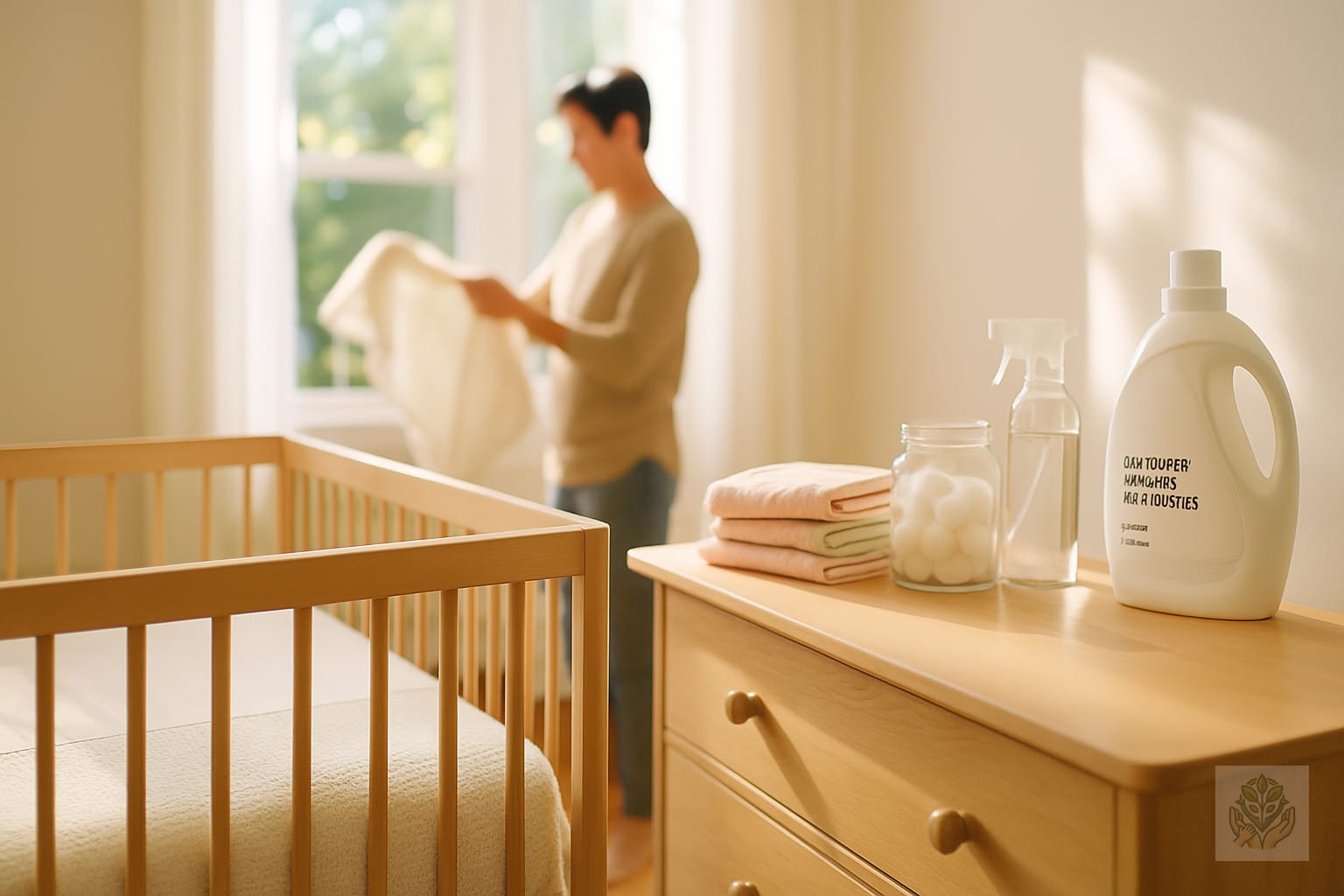
Best Ways to Keep Baby Bedding Clean and Fresh: A Complete Guide
As a new parent, few things are as peaceful as watching your baby drift off to sleep in a cozy, clean crib. However, maintaining the cleanliness of your little one’s sleeping space involves more than just a quick change of sheets. Because newborns and infants have incredibly sensitive skin and developing immune systems, understanding the best ways to keep baby bedding clean and fresh is a critical part of nursery management.
Nursery hygiene is a top priority for parents, not just for the sake of aesthetics, but for the health and comfort of your baby. From managing inevitable diaper leaks to preventing dust mite accumulation, a consistent routine makes all the difference. This guide will walk you through the essential steps to keep your baby’s bedding safe, soft, and hygienic. To create an optimal sleep space, you may also want to read our guide on how to create a calm and comfortable sleep environment for kids.
How Often Should You Wash Baby Bedding?
It is common for parents to wonder how often they should actually be tackling the nursery laundry. A good rule of thumb is to wash your baby’s crib sheets and wearable blankets at least once a week. If your baby tends to spit up often or has a messy diaper, you should increase that frequency to ensure their environment remains sanitary. For guidance on sizing your supply, check out our tips on how many crib sheets you really need.
Certain situations call for an immediate sheet change. If you notice any visible stains, dampness from spit-up, or signs of a diaper blowout, replace the bedding immediately. Allowing moisture to sit on the fabric can encourage bacterial growth and might irritate your baby’s skin. Establishing a consistent nursery laundry routine—perhaps picking a specific day of the week—helps ensure you never fall behind, even during the chaos of newborn life.
Choosing the Right Products: Safe Detergents for Newborns
When selecting a detergent, the health of your baby comes first. The best ways to keep baby bedding clean and fresh start with choosing the right cleaning agents. You should always opt for fragrance-free, hypoallergenic detergents specifically formulated for sensitive skin. To further protect your baby’s delicate body, you can explore recommendations in our ultimate baby skin care checklist for every season.
Many conventional detergents contain dyes, optical brighteners, and harsh synthetic fragrances that can trigger contact dermatitis or respiratory irritation. When you are shopping, look for labels that explicitly state they are free from enzymes, phosphates, and artificial scents. If you want to use laundry boosters, stick to simple, natural options like half a cup of distilled white vinegar, which acts as a gentle fabric softener and odor neutralizer.
Step-by-Step: How to Wash Baby Bedding Properly
The method you use to wash your baby’s linens is just as important as the detergent you choose. Always start by pre-treating any stains before they hit the wash cycle. If you are dealing with a fresh mess, a quick rinse with cold water can prevent the stain from setting into the fibers.
When loading the machine, select a warm water cycle unless the care label dictates otherwise. Warm water is generally better at sanitizing than cold water, but it is not hot enough to cause excessive shrinking. One of the most overlooked steps is the ‘extra rinse’ cycle. This final rinse helps ensure that every trace of detergent is washed away, leaving the fabric completely residue-free. When drying, tumble dry on a low heat setting to preserve the integrity of the fabric, or air dry in the sun for a natural, antibacterial boost.
Stubborn Stains: How to Remove Messes Without Harsh Chemicals
Every parent knows the struggle of dealing with diaper blowouts and spit-up. The good news is that you do not need aggressive, chemical-heavy stain removers to get the job done. Natural household staples are often more effective and significantly safer for your baby. To help manage leaks at the source, you can also read our expert tips on how to prevent diaper leaks.
For organic stains like spit-up or breastmilk residue, make a paste out of baking soda and water. Gently rub the paste into the stained area and let it sit for about fifteen minutes before washing. For lingering odors, white vinegar is your best friend. Adding it to the rinse cycle works wonders for neutralizing smells without leaving any synthetic fragrance behind. If you are dealing with a particularly stubborn yellow stain, a little lemon juice applied to the spot before washing can act as a natural, mild bleaching agent.
Maintaining Freshness Without Synthetic Sprays
It is tempting to use dryer sheets or fabric softeners to keep bedding smelling ‘fresh,’ but these products often coat fabrics in a thin layer of chemicals. These chemicals can be harsh on a baby’s skin and may reduce the absorbency of the fabric. Instead, consider using wool dryer balls. They naturally soften the bedding, reduce static, and cut down on drying time without adding any artificial ingredients to your nursery.
Another important aspect of freshness is proper storage and ventilation. Never store extra sheets in a damp or dusty closet. Instead, use breathable cotton bags or open shelving. Ensuring your nursery is well-ventilated helps prevent the buildup of stale air, keeping the entire room feeling clean and inviting.
Expert Tips for Crib Mattress Maintenance
While washing the sheets is important, the mattress itself requires care, too. A high-quality, waterproof mattress protector is a absolute game-changer. It acts as a barrier against moisture, allergens, and dust mites, making your cleaning routine significantly easier. For additional safety pointers when setting up the sleeping area, browse through our crib safety essentials every parent should know.
If you need to clean the mattress surface, use a damp cloth with a very mild, baby-safe soap solution. Never soak the mattress, as moisture trapped inside can lead to mold and mildew. Always allow the mattress to air dry completely in a well-ventilated area before putting the sheets back on. By protecting the mattress core from the start, you extend the life of your nursery furniture and keep the sleeping environment much healthier.
Conclusion
Mastering the best ways to keep baby bedding clean and fresh does not have to be a source of stress. By using gentle, fragrance-free products, establishing a consistent washing routine, and relying on natural solutions for stains, you can create a safe and comfortable haven for your little one. Remember that simplicity is key—the fewer chemicals you introduce, the better it is for your baby’s delicate skin.
You are doing a great job managing the daily tasks of parenthood. Stay consistent with your routine, and do not hesitate to simplify when you can. What is your favorite go-to hack for removing baby stains naturally? Share your tips in the comments below!
Frequently Asked Questions
How often should I wash my baby’s bedding?
You should wash your baby’s crib sheets and wearable blankets at least once a week. If your baby spits up frequently or experiences a diaper leak, change and wash the bedding immediately.
What type of detergent is safest for newborn bedding?
Always choose a hypoallergenic, fragrance-free detergent specifically formulated for sensitive skin. Avoid products containing dyes, synthetic scents, optical brighteners, and harsh enzymes.
How can I remove stubborn baby stains naturally?
You can make a simple paste using baking soda and water for organic stains like spit-up. Apply it to the stain, let it sit for fifteen minutes, and then wash as usual.
Should I use fabric softeners or dryer sheets?
It is best to avoid standard fabric softeners and dryer sheets because they coat fabrics in chemicals that can irritate sensitive skin. Instead, use wool dryer balls to soften fabrics naturally.
How do I clean a baby crib mattress?
Wipe the surface of the mattress using a damp cloth with a mild, baby-safe soap solution. Never soak the mattress, and ensure it dries completely before putting sheets back on.
Can I use white vinegar on baby laundry?
Yes, adding half a cup of distilled white vinegar to the rinse cycle works as a natural fabric softener and effectively neutralizes odors without using synthetic fragrances.


