

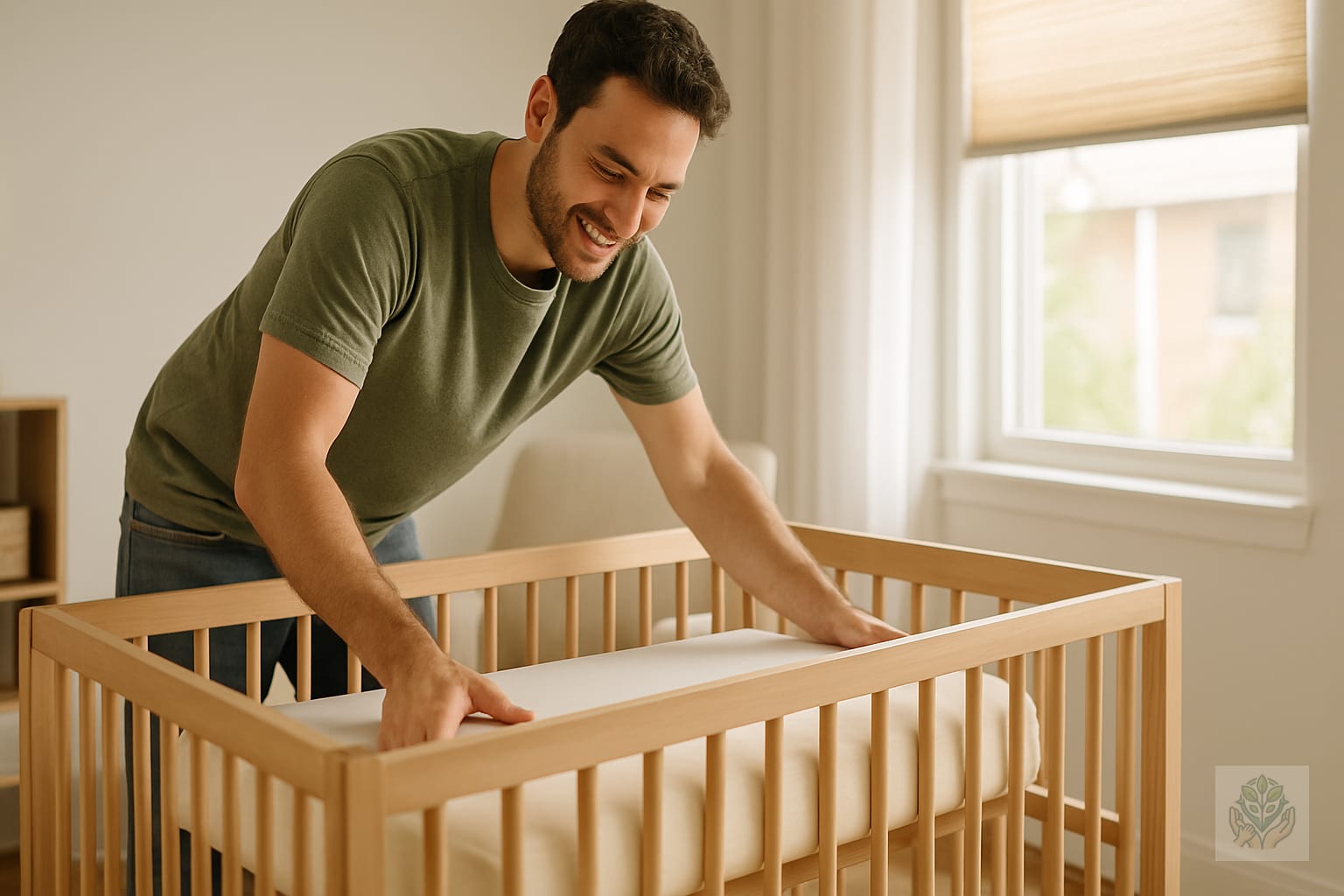
How to Choose a Safe Crib for Your Baby: The Ultimate Parent’s Safety Checklist
Welcoming a new baby brings a whirlwind of emotions, preparations, and decisions. Among the most critical choices you will make is selecting a safe crib for your baby. Sleep is the foundation of infant development, and providing a secure environment is every parent’s primary goal. However, with the overwhelming amount of baby gear on the market, it is easy to feel intimidated by technical standards and marketing claims.
The good news is that by focusing on a few essential criteria, you can cut through the noise and create a space that promotes restful sleep while adhering to evidence-based safety practices. Following guidelines established by the American Academy of Pediatrics (AAP) and the Consumer Product Safety Commission (CPSC) will help you make a choice that gives you peace of mind every time you lay your child down for a nap. To explore broader options and styles, check out our ultimate safety & style guide on choosing a baby crib.
The Non-Negotiables: Understanding CPSC Safety Standards
When shopping for a crib, federal regulations are your best friend. The CPSC has implemented strict requirements for manufacturers to ensure that every crib sold in the United States meets rigorous safety benchmarks. These rules are designed to prevent injuries related to entrapment, falls, and structural failure.
One of the most important rules is to avoid older cribs, particularly drop-side models. These were banned in 2011 because the hardware was prone to malfunction, creating dangerous gaps between the mattress and the side rail. For this reason, experts strongly recommend buying a new crib rather than relying on second-hand gear. If you do accept a hand-me-down, you must verify that the model has not been recalled and still meets current federal standards.
Look for the Juvenile Products Manufacturers Association (JPMA) certification seal. This logo indicates that the product has been independently tested to meet or exceed government safety standards. While this certification is voluntary, manufacturers who display it are signaling a deep commitment to quality and consumer safety. For more insights on evaluating overall home security for infants, read our complete guide on choosing safe baby furniture.
Key Physical Features to Inspect
Once you have selected a model that meets safety regulations, perform a physical inspection of the crib’s design. The spacing of the slats is a critical safety feature. You should never be able to fit a soda can between the bars of the crib; if you can, the gap is wider than 2 3/8 inches and poses a serious entrapment hazard for your baby’s head.
Check the corner posts and hardware for any potential snag points. Clothing items like hoodies or necklaces can easily get caught on decorative corner posts, creating a strangulation risk. Ensure the crib is free of any cutouts in the headboard or footboard that could pose a similar threat.
Structural integrity is just as important as the design itself. A high-quality crib should feel solid and stable. Look for a durable frame that does not wobble when you apply gentle pressure. Finally, always verify that the manufacturer uses non-toxic, lead-free paints and finishes. Babies explore with their mouths, and you want to ensure that no harmful chemicals are present on the surfaces they might chew or touch.
Selecting the Right Crib Mattress
The crib is only as safe as the mattress placed inside it. When it comes to bedding, firmness is the golden rule. While a soft mattress might seem more comfortable to an adult, it is dangerous for infants because it increases the risk of SIDS and can obstruct breathing if a baby rolls onto their stomach.
The mattress must fit snugly against the sides of the crib. Use the two-finger test: if you can fit more than two fingers between the edge of the mattress and the side of the crib, the mattress is too small. A gap this large can lead to a limb or head becoming stuck, which is a significant danger. To learn more about maintaining your nursery’s sleep essentials, refer to our guide on keeping baby bedding clean and fresh.
Prioritize breathability and clean, non-toxic materials. Organic cotton covers or specialized breathable mattress pads can help improve airflow, but avoid any products that claim to completely eliminate suffocation risks. A firm, tight-fitting mattress is the gold standard for a safe nursery. For additional tips on figuring out sheet quantities, consult our guide on how many crib sheets you really need.
Proper Crib Placement and Room Safety
Where you place the crib in the nursery is just as vital as the crib itself. Never position the crib near window blinds or curtains. The cords used to operate these items are major strangulation hazards. Keep the crib at least a few feet away from all cords, electrical wires, and baby monitors to ensure your child cannot reach them. For a deeper dive into room layout, review our crib placement tips for a safe nursery.
Maintain a stable temperature in the room by keeping the crib away from heat sources like radiators, space heaters, and direct sunlight. Avoid placing the crib directly under or in front of air conditioning vents or ceiling fans that might blow directly on the baby.
Adopt a minimalist approach to the nursery. The mantra for a safe sleep environment is truly ‘bare is best.’ Remove all pillows, heavy blankets, crib bumpers, stuffed animals, and positioning devices. These items serve no developmental purpose for a newborn and significantly increase the risk of suffocation or overheating.
Assembly and Maintenance Checklist
Proper assembly is a crucial step in keeping your baby safe. Always follow the manufacturer’s instructions exactly as written, even if you have assembled furniture before. Keep the manual in a safe place, such as taped to the underside of the crib frame or in a nursery file, for future reference.
If you lose hardware pieces, do not attempt to replace them with generic bolts or screws from a hardware store. Contact the manufacturer directly to order the specific parts designed for your model. Tighten all hardware periodically. Cribs endure a lot of wear and tear, and vibrations or normal use can cause bolts to loosen over time. Make it a habit to check the structural integrity of the crib every time you change the crib sheet.
Common Questions Parents Ask About Crib Safety
Many parents wonder if used cribs are ever safe. While it is generally safer to buy new, if you must use an older crib, ensure it was manufactured after the 2011 federal ban on drop-side models. Inspect every inch of the wood and metal for cracks, sharp edges, or loose connections.
Regarding the transition to a toddler bed, most children are ready when they begin attempting to climb out of the crib or when they reach the height limit specified by the manufacturer. This usually happens between the ages of 18 months and 3 years.
If you find that your crib is part of a recall, stop using it immediately. Visit the CPSC website to check your specific model and brand. Manufacturers are required to provide a fix, a replacement, or a refund for recalled products, so take advantage of those protections rather than continuing to use potentially unsafe gear. For further peace of mind regarding standard protective measures, consult our overarching crib safety essentials guide.
Conclusion
Choosing a safe crib for your baby is one of the most proactive steps you can take to ensure a healthy start for your little one. By prioritizing federal safety standards, opting for a firm and snug-fitting mattress, and keeping the sleep environment clear of clutter, you are creating a sanctuary that protects your child while they grow.
Remember that you are doing an incredible job navigating these choices. Safety is a journey that continues long after the crib is assembled. Stay informed by checking the CPSC website regularly for updates, and remember that when it comes to your baby’s sleep, simple and standard-compliant is always the best path forward. For more tips on nursery safety and infant development, subscribe to our newsletter and join our community of supportive parents.
Frequently Asked Questions
Are used baby cribs safe to use?
It is generally recommended to buy a new crib. If you use a used one, ensure it was made after the 2011 drop-side ban, has no recalls, and features sturdy, undamaged parts.
What are the CPSC standards for crib slats?
Crib slats must be no more than 2 3/8 inches apart to prevent a baby’s head from becoming trapped between the bars.
How do I know if the crib mattress is firm enough?
A safe crib mattress should maintain its shape and not depress easily when pressed. Soft mattresses increase the risk of suffocation and SIDS.
How tight should the crib mattress fit?
The mattress should fit snugly against all four sides of the crib. If you can fit more than two fingers between the mattress and the crib wall, it is too small.
When should my baby transition from a crib to a toddler bed?
Most children are ready to transition when they begin trying to climb out of the crib or reach a height of 35 inches, typically between 18 months and 3 years old.
What items should be kept inside a baby crib?
Nothing except a fitted sheet. Pillows, blankets, bumpers, and stuffed animals must be removed to maintain a safe, bare sleep environment.


