

How to Choose the Right Bicycle Size for Your Child: The Ultimate Parent’s Guide
Finding the perfect bicycle for your little rider is an exciting milestone. Whether they are graduating from a balance bike or upgrading to their first multi-speed model, selecting the correct fit is the most critical step in the process. When you learn how to choose the right bicycle size for your child, you aren’t just buying a toy; you are investing in their safety, confidence, and enjoyment on the road or trail.
Many parents fall into the trap of buying a bike that is too large, thinking their child will eventually grow into it. This is a common and dangerous mistake. A bike that is too big is difficult to maneuver, hard to stop, and intimidating for a young rider. In this guide, we will walk you through the essential steps to ensure your child has the best cycling experience possible.
Why Bike Sizing Matters: Safety and Skill Development
Cycling is a complex motor skill that requires coordination, balance, and quick reflexes. When a bike doesn’t fit properly, your child has to work significantly harder just to keep it upright. An oversized bike makes the frame heavy and the reach to the handlebars excessive, which drastically reduces their ability to steer effectively.
If the bike is too tall, the child cannot easily place their feet on the ground to stabilize themselves during a stop. This lack of control often leads to hesitation and fear, which can quickly extinguish a child’s enthusiasm for riding. By prioritizing the correct fit, you minimize the risk of accidents and ensure that your child feels in command of their vehicle, allowing them to focus on developing their cycling skills. Explore our guide on how to teach your child to brake safely on a bike for additional safety tips.
The Golden Rule: Wheel Size vs. Frame Size
Unlike adult bikes, which are categorized by frame size, children’s bikes are almost exclusively measured by the diameter of their wheels. This measurement, expressed in inches, dictates the geometry of the bike. Understanding this distinction is the foundation of learning how to choose the right bicycle size for your child.
The standard wheel sizes you will encounter on the market include 12, 14, 16, 20, and 24 inches. As the wheel size increases, so does the frame, the distance to the pedals, and the weight of the bike. It is important to remember that wheel size is just a starting point; the physical proportions of your child are the ultimate deciding factor.
Step-by-Step: How to Measure Your Child
To get an accurate fit, you need two primary measurements: height and inseam. Forget the old-fashioned guessing game based solely on age; children grow at different rates, and their leg lengths vary significantly.
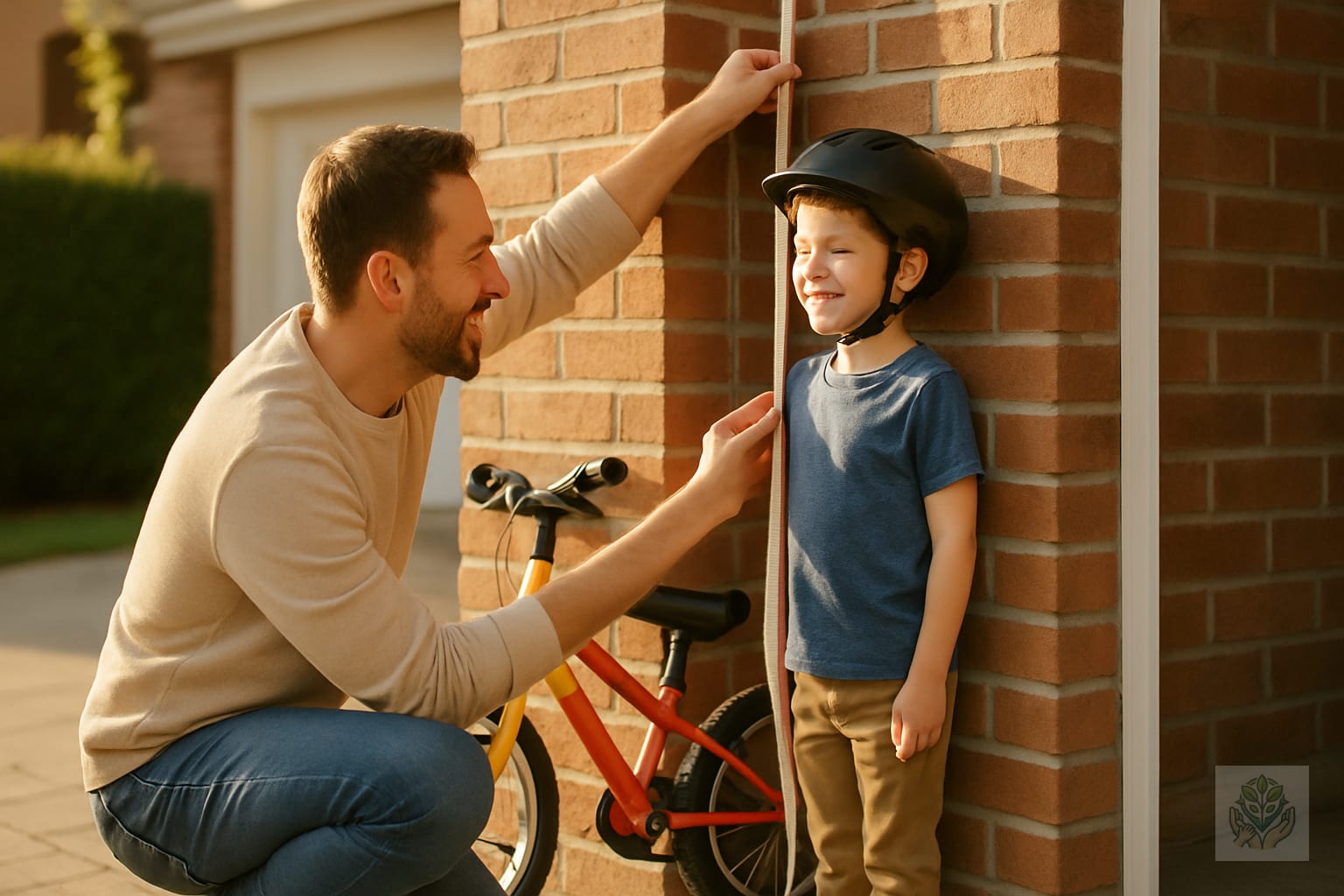
First, measure their total height by having them stand against a wall without shoes. Make a mark at the top of their head and measure from the floor. Second, measure their inseam. Have your child stand against a wall with their feet slightly apart. Place a book between their legs, pushing it gently up until it simulates a bike seat. Measure from the top of the book to the floor. This inseam measurement is the most reliable way to ensure your child can comfortably straddle the top tube.
Kids Bike Size Chart by Age and Height
While measurements vary by brand, the following chart provides a general guideline to help you narrow down your search. Always cross-reference these numbers with the specific manufacturer’s geometry chart, as some bikes are built larger or smaller than others.
| Wheel Size | Approx. Age | Height Range |
|---|---|---|
| 12-inch | 2-4 years | 30-38 inches |
| 14-inch | 3-5 years | 36-44 inches |
| 16-inch | 4-6 years | 40-50 inches |
| 20-inch | 6-9 years | 46-56 inches |
| 24-inch | 9-12 years | 52-60+ inches |
Note: Age is merely a reference point. Always prioritize your child’s specific height and inseam measurements over their age when selecting a bike.
The Test Ride Checklist
Once you have selected a potential bike, a physical test ride is mandatory. Use this quick checklist to confirm the fit:
- Stand-over height: Your child should be able to straddle the bike with both feet flat on the ground. There should be at least one to two inches of clearance between their inseam and the top tube.
- Reach: When sitting on the saddle, your child should be able to reach the handlebars with a slight bend in their elbows. If they are reaching forward with straight, locked arms, the frame is too long.
- Braking: Ensure their fingers can easily reach and squeeze the brake levers. If the levers are too far away, they will not be able to stop safely in an emergency.
Common Signs Your Child Needs a Bigger Bike
Even if a bike fit you well a year ago, children grow quickly. Watch for physical cues that it is time for an upgrade. If your child’s knees are consistently hitting the handlebars while pedaling, or if they appear hunched and cramped, the bike is now too small. Additionally, if they are losing their sense of stability because their center of gravity is now too high relative to the bike, it is time to move up to the next wheel size.
Expert Tips for Buying Used vs. New
Buying a quality bike is an investment. High-quality, lightweight bikes (often found at local bike shops) offer a much better experience than heavy, budget-friendly steel frames from big-box stores. A lighter bike is significantly easier for a child to pedal and control. Make sure they are also equipped with the right gear, such as the items recommended in our guide on best bicycle gloves for young cyclists.
If you choose to buy used, inspect the bike for structural integrity. Check the brakes, ensure the tires have good tread, and make sure the gears shift smoothly. Always avoid bikes with excessive rust or frame damage, as these can be safety hazards. A well-maintained, high-quality used bike will often perform better and retain more resale value than a cheap new one.
Conclusion
Selecting the right bicycle size for your child is a simple way to set them up for a lifetime of outdoor adventure. By focusing on inseam measurements and ensuring proper reach and stand-over height, you provide them with the security they need to gain confidence on two wheels. Do not rush the process, and remember that a properly fitted bike is the safest bike. Take a moment today to measure your child and see if their current ride is still the right fit for their growing body.
Frequently Asked Questions
Why shouldn’t I buy a larger bike for my child to grow into?
Buying an oversized bike is dangerous because it makes the bike difficult to maneuver, hard to stop, and intimidating, which can lead to accidents and hesitation in young riders.
How are children’s bike sizes measured compared to adult bikes?
Unlike adult bikes that use frame sizes, children’s bikes are categorized primarily by the diameter of their wheels, measured in inches ranging from 12 to 24 inches.
What measurements do I need to find the correct kids bike size?
You need your child’s total height and inseam measurement. Always prioritize height and leg length over age when selecting a bicycle.
How much clearance should there be for stand-over height?
Your child should be able to straddle the bike with both feet flat on the ground, leaving at least one to two inches of clearance between their inseam and the top tube.
What are the common signs that my child needs a bigger bike?
Signs include your child’s knees hitting the handlebars while pedaling, appearing hunched and cramped, or losing stability because their center of gravity is too high.
Should I buy a new or used bike for my child?
Both options work well, but prioritizing a lightweight bike with good structural integrity and working brakes is more important than whether it is brand new.


