

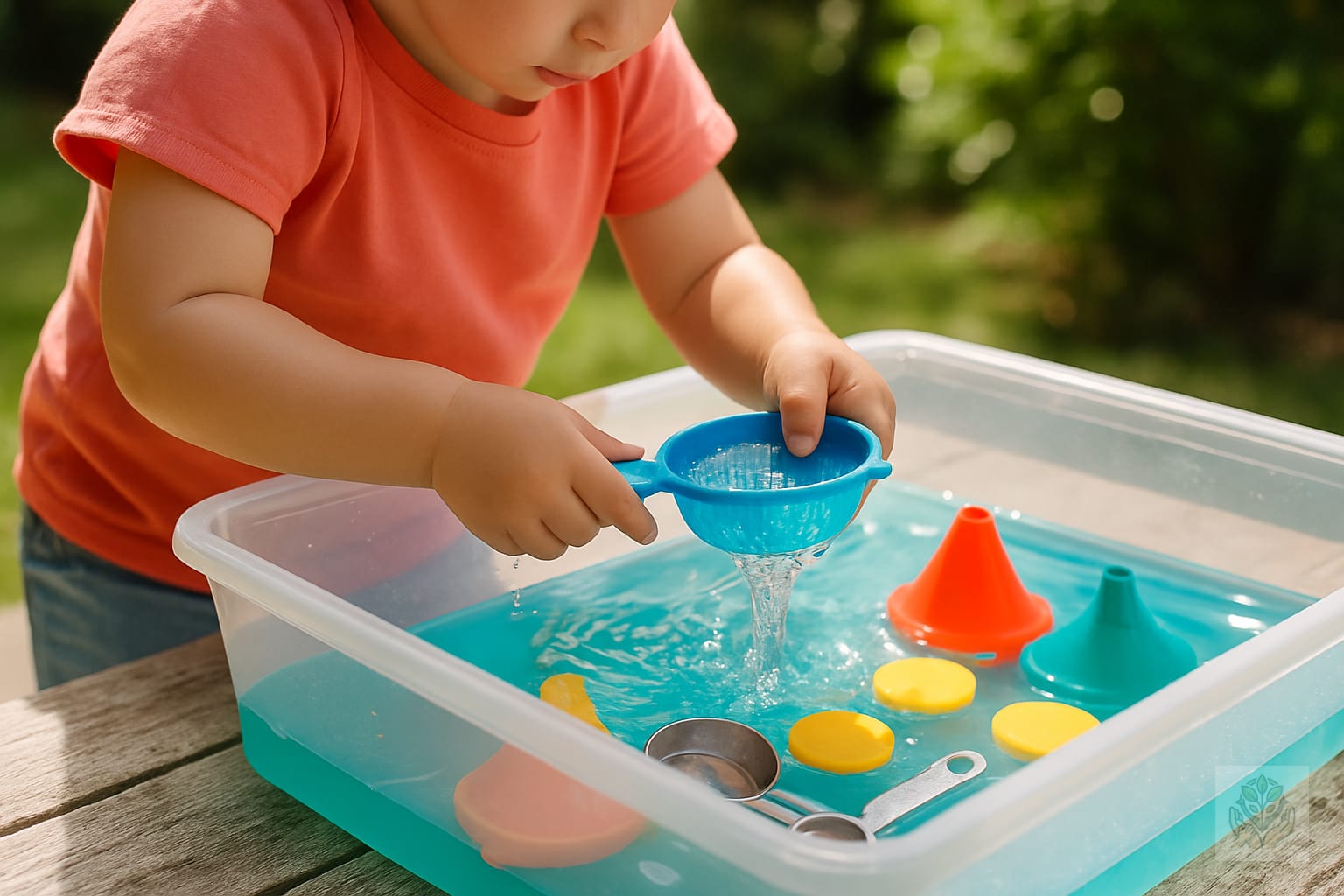
10 Simple Water Sensory Bins for Toddlers: Easy DIY Ideas for Hours of Fun
Every parent knows the feeling of searching for a quick, engaging activity that will hold a toddler’s attention for more than five minutes. When the toys are scattered and screen time is not the answer, the solution is often simpler than you think. Water sensory bins for toddlers are the ultimate way to turn a boring afternoon into an educational adventure.
Sensory play is a cornerstone of early childhood development, helping children explore their world through sight, touch, and sound. Water bins act as a perfect gateway into this world. They require very little preparation, use materials you likely already have in your kitchen, and offer endless possibilities for creativity. For more ideas on tactile play, check out our guide on 15 fun sensory bin fillers for toddlers. In this guide, we will explore simple, budget-friendly ways to set up water sensory bins today that will keep your little one happily occupied.
Why Choose Water Sensory Bins?
Beyond being a sanity-saver for busy parents, water sensory bins for toddlers offer significant developmental advantages. When a child splashes, pours, and manipulates water, they are actively refining their fine motor skills. Learning to control a dropper, hold a scoop, or manipulate a sponge builds the muscle strength and coordination necessary for later tasks like writing and feeding themselves.
Furthermore, these bins serve as a gentle introduction to early science concepts. Toddlers learn about volume as they pour water between containers, observe cause and effect when items sink or float, and explore temperature through icy experiments. Perhaps most importantly, water play has a naturally calming effect. The repetitive motion of splashing or the soothing sound of pouring can help regulate a toddler’s nervous system, making it an excellent activity for winding down before a nap or transitioning out of a chaotic afternoon.
Essential Supplies for Your Sensory Bin Toolkit
You do not need an expensive craft store haul to create engaging play experiences. A basic bin kit starts with a plastic storage container—the rectangular clear types work best. Aim for a bin with a shallow depth so your child can easily reach the bottom, and if possible, use one with a lid to keep your supplies together between sessions.
To round out your toolkit, look for items you already have on hand:
- Measuring cups and stainless steel ladles
- Plastic funnels and sieves
- Empty squeeze bottles or baby food pouches
- Turkey basters or child-safe eye droppers
- Plastic colanders for straining
Always prioritize safety. Even with shallow water, constant adult supervision is non-negotiable. Ensure the water depth remains low, usually just a few inches, to encourage play without unnecessary risk.
10 Simple Water Sensory Bin Ideas
Ready to get started? Here are 10 water sensory bins for toddlers that require minimal setup but provide maximum impact.
- Color Reveal: Add a drop of food coloring to your water and let your toddler stir it with a whisk. It is a simple way to introduce color theory and delight your child with the transformation.
- The Wash Station: Gather waterproof toy cars, plastic dolls, or kitchen utensils. Provide a small amount of tear-free soap, a sponge, and a scrubbing brush so your toddler can wash their toys clean.
- Ocean Rescue: Add blue food coloring and plastic sea creatures. Use a sieve to help your toddler rescue the animals from the deep blue sea.
- Iceberg Melt: Freeze small plastic toys inside ice cube trays the night before. Add the frozen blocks to the water and let your toddler watch them melt and “free” the trapped toys.
- Kitchen Helper: Fill the bin with whisks, ladles, spatulas, and silicone muffin tins. This mimics real-life tasks and builds great coordination. You can pair this with items from our 10 kitchen pretend play sets guide for even more imaginative fun.
- Floral Bath: Gather flower petals or silk flowers from the garden or a craft store. Floating petals create a beautiful, calming sensory experience.
- Pouring Station: Focus entirely on volume by providing various sizes of plastic cups, funnels, and pitchers. It is a classic way to teach spatial awareness.
- Treasure Hunt: Hide waterproof items like large buttons, plastic coins, or foam letters at the bottom of the bin and encourage your child to hunt for them.
- Bubble Foam Bath: Use a tiny amount of tear-free baby wash and a whisk to create a mountain of stable bubbles on top of the water. The tactile experience of the foam is always a hit.
- Sieve and Sort: Place a colander inside the bin. Have your toddler use it to separate larger items from the water, focusing on the concept of filtration.
How to Minimize the Mess
One of the biggest hesitations parents have about water play is the potential for a soaked floor. You can mitigate this by choosing the right location. The bathroom floor is the safest bet because it is waterproof and easy to wipe down. If you choose the kitchen, place a large beach towel or a washable floor mat underneath the bin to catch any stray droplets.
Establish simple, clear water rules early on. Explain that the water stays in the bin and that spilling is not allowed. If your child struggles to follow the rules, it is a gentle sign that the activity might need to end for now. Positive reinforcement goes a long way in setting expectations for these sessions. For tips on managing boundaries, see our advice on setting clear rules without constant arguments.
Conclusion
Incorporating water sensory bins into your weekly routine is a simple, effective way to support your child’s brain development while keeping them happily engaged at home. By using these DIY ideas, you turn basic household items into tools for discovery and joy. Whether you are building a bubble mountain or conducting an iceberg rescue, you are providing your toddler with invaluable tactile experiences. We would love to hear which of these ideas your little one enjoys most—leave a comment below or subscribe to our newsletter for more toddler activity inspiration!
Frequently Asked Questions
How do I prevent my toddler from drinking the sensory bin water?
Always supervise closely and use clear, gentle reminders. Adding a tiny drop of food coloring can make the water look less appealing to drink.
How long should a toddler sensory play session last?
Toddler attention spans vary. A session typically lasts anywhere from five to twenty minutes depending on the child’s interest.
Are these water sensory activities safe for one-year-olds?
Yes, provided you use large, non-choking hazard items and maintain strict, hands-on supervision at all times.
What household items can I use in a water sensory bin?
You can use measuring cups, stainless steel ladles, plastic funnels, empty squeeze bottles, and colanders found right in your kitchen.
How can I minimize the mess of indoor water play?
Set up the bin on a bathroom floor for easy cleanup, or place a large waterproof mat or beach towel underneath the bin in the kitchen.
What are the developmental benefits of water sensory bins?
Water play helps toddlers refine fine motor skills, learn early science concepts like volume and buoyancy, and regulate their nervous systems.


