

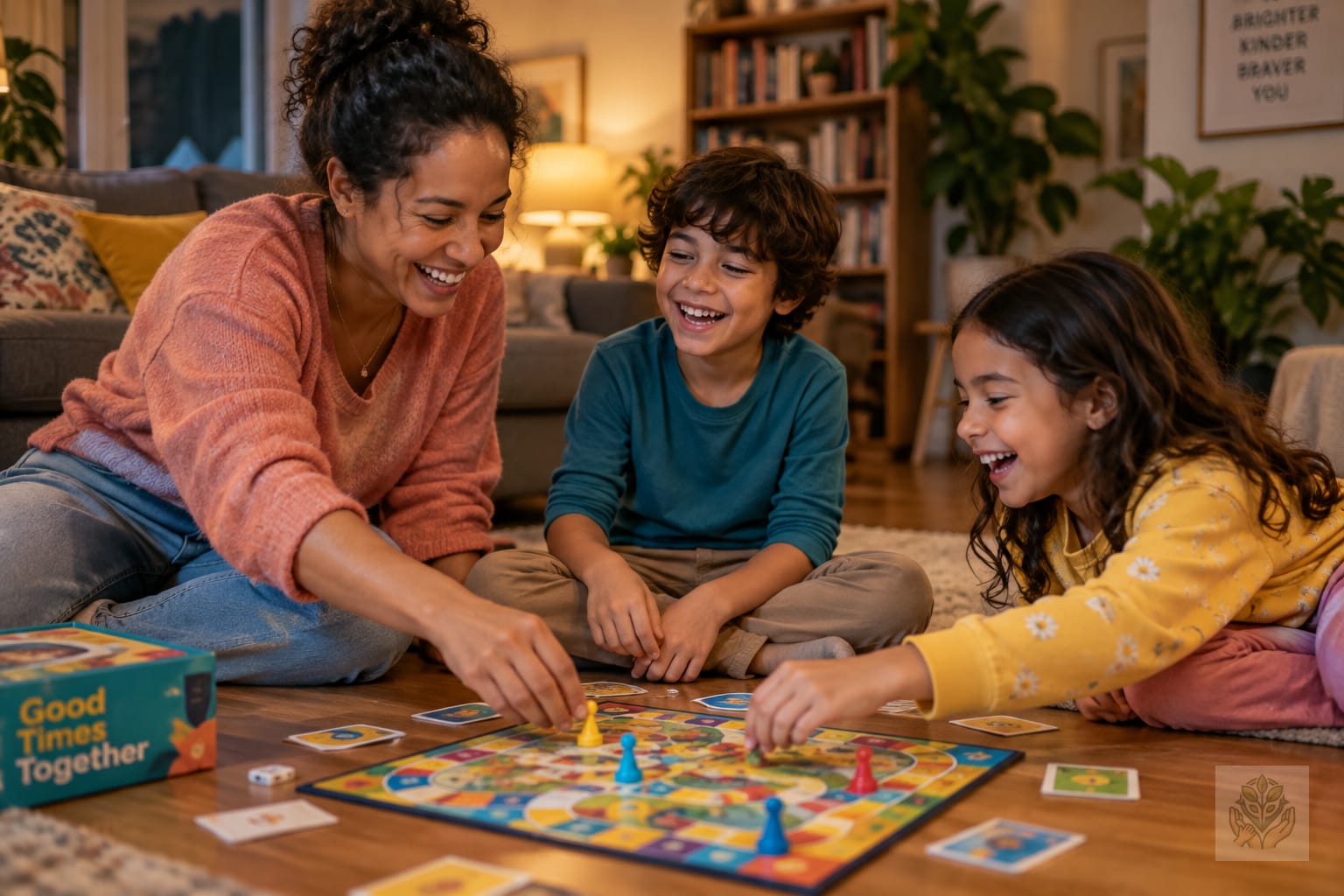
10 Easy Board Games for Family Bonding Time (That Everyone Will Love)
In our fast-paced, digital world, finding genuine ways to connect with your children can feel like a challenge. Between school schedules, work commitments, and the constant lure of screens, it is easy to let the evenings slip away without meaningful interaction. This is where easy board games for family bonding come into play as a powerful tool for your parenting toolkit.
Family game night is not just about moving pieces across a board or scoring points. It is about intentional time spent together, laughing at silly mistakes, and navigating the complexities of teamwork. By choosing games that are simple to learn, you remove the barrier of frustration and open the door to genuine connection, shared joy, and the development of essential social skills. To find more inspiration for your gatherings, check out these engaging family game night ideas for toddlers and preschoolers.
Why Choose Easy Board Games for Family Bonding?
When you hear the term family board games, your mind might jump to long, complicated strategy games that take hours to set up. However, for most families, simplicity is the secret sauce. Easy games offer a low learning curve, which means you spend less time reading the rulebook and more time actually playing.
Short play times are another major advantage. They align perfectly with the shorter attention spans of younger children, ensuring everyone remains engaged from start to finish. Furthermore, games with a mix of luck and strategy help level the playing field. When a five-year-old has a genuine chance of beating a parent, it builds confidence, encourages healthy competition, and makes the experience far more rewarding for the little ones.
Our Top Picks: Easy Board Games for Every Type of Family
Finding the right game for your family can be overwhelming. To help you get started, we have curated a list of games that hit the sweet spot between entertainment and ease of play.
The Classic Crowd-Pleasers
Ticket to Ride: First Journey is a fantastic introduction to route-building games. It simplifies the original version just enough to keep it accessible for younger players while remaining engaging for adults. Sushi Go! is another favorite, offering a fast-paced card-drafting experience that teaches basic probability and decision-making in a fun, sushi-themed package. For younger children who also love hands-on learning, you might want to explore the complete guide to choosing age-wise toys for kids.
Cooperative Wins
If your family tends to get a little too competitive, cooperative games are the perfect solution. Outfoxed! is a wonderful whodunit game where everyone works together to catch the pie-thief before they escape. Forbidden Island is equally exciting, requiring players to collaborate to save artifacts from a sinking island before time runs out. Playing these together is a great way to incorporate pretend play that develops emotional intelligence in younger members.
Silly and Creative Options
Sometimes you just need a game that encourages loud laughter. Taco Cat Goat Cheese Pizza is a card game that relies on speed and reflexes. It is fast, chaotic, and almost guaranteed to end in giggles. Sleeping Queens is another gem; it is easy to learn, visually charming, and incorporates just enough strategy to keep older kids interested without overwhelming younger ones. If your children enjoy interactive group activities, you can also look into creative follow-the-leader games for kids at the park for outdoor fun.
How to Host a Successful Family Game Night
Hosting a game night does not need to be a formal event. The best bonding activities for families are often the ones that feel spontaneous and relaxed. Start by setting the scene: clear the coffee table, put phones in a drawer, and prepare a simple snack. The goal is to minimize distractions so you can focus entirely on one another.
If you have busy weeknights, embrace the 15-minute game night. You do not need two hours to bond; ten minutes of focused play can provide a significant emotional reset for everyone. Remember to focus on the process rather than the outcome. If the game starts to cause stress, it is perfectly okay to pause, take a breath, or change the rules to make it more cooperative.
Beyond the Rules: Building Connection While You Play
Beyond the actual gameplay, board games provide a safe environment to practice emotional regulation. Use this time to model good sportsmanship. When you lose a game, narrate your own experience: I feel a little disappointed that I lost, but I had so much fun playing with you all. This helps your children understand that feelings are normal and that how we handle them matters more than the score.
Board games also serve as incredible conversation starters. During the natural downtime between turns, ask open-ended questions like, What was the best part of your day? or If you could have any superpower, what would it be? These simple exchanges during family game nights often lead to deeper conversations that might not happen during the hustle of a typical morning routine.
Conclusion
Incorporating easy board games for family bonding into your routine is one of the most effective ways to nurture your relationship with your children. By starting small and focusing on the experience of playing together, you create a low-pressure environment where memories are made and character is built. Whether it is a quick card game before dinner or a Sunday afternoon tournament, these moments serve as the building blocks for a strong, connected family life. For additional ideas on keeping kids active and entertained indoors, take a look at these indoor activities that build gross motor skills for toddlers and kids.
What is your family’s current go-to game? Do you prefer fast-paced card games or longer, cooperative adventures? Let us know in the comments below—we would love to hear your recommendations!
Frequently Asked Questions
What are the best easy board games for family bonding time?
Some of the best games include Ticket to Ride: First Journey, Sushi Go!, Outfoxed!, Forbidden Island, Taco Cat Goat Cheese Pizza, and Sleeping Queens because they are simple to learn and highly engaging.
Why should I choose easy board games instead of complex strategy games?
Easy board games have a low learning curve, shorter play times, and often include a mix of luck and strategy, which keeps younger children engaged and levels the playing field for everyone.
How can family game nights help reduce screen time?
Game nights provide a fun, interactive alternative to digital devices, capturing children’s attention and encouraging active social engagement instead of passive screen viewing.
Are cooperative board games good for young families?
Yes, cooperative board games like Outfoxed! and Forbidden Island encourage teamwork and eliminate the stress of intense competition, making them ideal for younger children.
How long should a family game night last?
Family game nights do not need to last for hours. Even 15 to 20 minutes of focused play on a busy weeknight can provide a great emotional reset and meaningful connection.
How do board games help build social and emotional skills in children?
Board games teach kids how to take turns, practice good sportsmanship, handle winning and losing gracefully, and regulate their emotions in a safe, supportive environment.


