

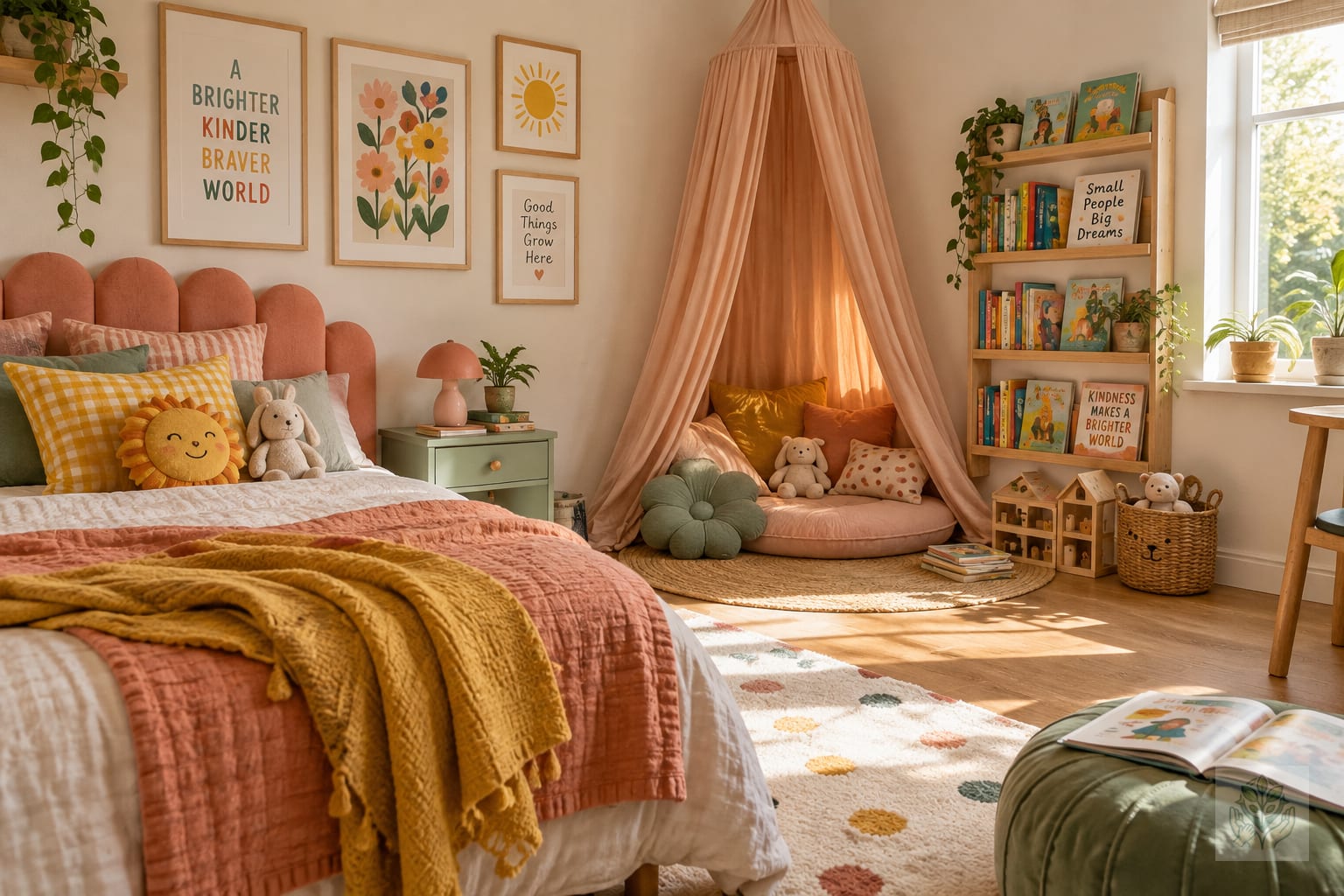
25 Beautiful Kids’ Room Decoration Ideas to Transform Their Space
A child’s bedroom is more than just a place to sleep. It is a sanctuary for imagination, a hub for learning, and a private retreat where they can explore their personality. Creating a well-designed space is essential for childhood development, as it provides a sense of security and ownership. When you implement beautiful kids’ room decoration ideas, you are not just painting walls; you are crafting an environment that supports your child’s emotional and intellectual growth.
The secret to a successful room design is balancing aesthetics with functionality. While you want the room to look like it belongs in a magazine, it must also survive the realities of daily play. By focusing on smart storage and flexible layouts, you can ensure the room remains tidy without stifling your child’s natural desire to create and explore.
Choosing a Theme: Where to Start
Before diving into paint swatches and furniture catalogs, start by involving your child in the decision-making process. Children who help design their own rooms are more likely to take pride in their space and keep it organized. Ask them about their favorite colors, hobbies, or fictional characters. Even if their taste is unconventional, you can find a way to incorporate their vision tastefully.
When selecting a theme, consider the longevity of the design. While trendy themes are fun, they can be difficult to update as your child grows. A wise approach is to choose a timeless base—such as neutral walls or classic furniture—and use accessories, bedding, and artwork to introduce trending elements. This strategy allows for easy updates as your child’s interests shift from dinosaurs to space or from superheroes to sports. You can find inspiration for color schemes in our step-by-step nursery color theme guide.
25 Beautiful Kids’ Room Decoration Ideas
Here are 25 creative concepts to inspire your next room makeover, categorized to help you find the perfect fit for your home.
Whimsical & Imaginative
- 1. Starry night ceilings using glow-in-the-dark decals for a cosmic bedtime routine.
- 2. Indoor forts draped in fairy lights to create the ultimate secret reading nook.
- 3. Large-scale wall murals featuring enchanted forests or underwater scenes to expand the visual depth of the room.
- 4. Canopy beds or hanging tents that provide a cozy cocoon for quiet time.
- 5. Floating bookshelves arranged in a creative pattern to make reading a focal point. Check out our guide on how to build a home library for young children for more tips.
Smart Storage Solutions
- 6. Under-bed drawers that utilize wasted space for storing seasonal clothing or bulky toys.
- 7. Vertical shelving units that reach to the ceiling, drawing the eye upward and keeping floor space clear.
- 8. Labeled toy bins or clear acrylic containers to help children easily find and put away their belongings.
- 9. Built-in window benches with hidden storage compartments beneath the seat.
- 10. Wall-mounted pegboards for organizing craft supplies, accessories, or backpacks.
Modern & Minimalist
- 11. Neutral color palettes, such as soft greys, creams, or muted greens, to create a calming atmosphere.
- 12. Scandinavian-style furniture featuring clean lines and natural wood tones.
- 13. Geometric wall decals that add visual interest without the need for busy patterns.
- 14. Monochromatic color schemes that rely on varying textures like wool, linen, and cotton for depth.
- 15. Minimalist platform beds that keep the silhouette of the room low and airy.
DIY & Personalized Touches
- 16. A gallery wall showcasing your child’s own artwork in matching frames.
- 17. Custom name signs made from wooden letters, neon lights, or wire art.
- 18. DIY painted furniture, such as an old dresser transformed with bold colors or whimsical knobs.
- 19. A growth chart ruler custom-built from reclaimed wood.
- 20. Hand-painted wall borders that add a unique, artistic touch to the room.
Educational & Active Zones
- 21. Chalkboard paint walls that encourage spontaneous drawing and learning without damaging the room.
- 22. Magnetic wall surfaces for displaying educational posters or magnetic puzzles.
- 23. A dedicated reading nook with floor cushions and a sturdy, accessible book display.
- 24. A low-profile rock climbing wall or indoor balance beam to encourage physical activity, similar to the concepts in our indoor activities for gross motor skills guide.
- 25. A dress-up station with a mirror and costume rack to foster imaginative roleplay.
Design Tips for Small Spaces
Small rooms often require more creativity, but they can be just as impactful as larger spaces. Start by using light, airy colors to make the room feel more expansive. White or pale pastel walls serve as a blank canvas that reflects natural light, making the space feel larger and cleaner.
Maximize vertical space whenever possible. Loft beds are excellent for small rooms, as they lift the sleeping area and create space underneath for a desk or a play area. Always opt for multi-functional furniture, such as ottomans with storage, tables with shelving, or desks that fold into the wall when not in use. You can also explore shelf organization ideas for children’s rooms to help reduce clutter.
Budget-Friendly Decorating Hacks
Transforming a room does not need to break the bank. You can achieve high-end results with simple DIY projects. Upcycling old furniture with a fresh coat of low-VOC paint or new hardware can give a piece a completely modern look for a fraction of the cost of new furniture.
Peel-and-stick wallpaper is another game-changer. It allows you to create an accent wall with bold patterns that can be easily removed when your child tires of the look. Additionally, try rotating your child’s toys and accessories. By storing half of them in a closet and swapping them out every few months, you keep the room feeling fresh, exciting, and less cluttered without spending a dime.
Safety Considerations for Kids’ Rooms
Beauty should never come at the expense of safety. Always anchor heavy furniture, such as dressers and bookshelves, to the walls to prevent tip-overs, much like the advice in our safe baby furniture guide. When choosing paints or finishes, look for non-toxic, low-VOC labels to ensure the air quality in your child’s room remains healthy.
Pay close attention to lighting and cords. Keep all lamp cords out of reach and hidden behind furniture or inside cord covers. Use age-appropriate lighting that is sturdy, and ensure that all electrical outlets are covered with safety plates.
Conclusion
Designing a space for your child is an rewarding process that yields long-term benefits. By using these beautiful kids’ room decoration ideas, you are creating a foundation for their creativity, rest, and personal growth. Remember that the best rooms are those that evolve alongside your child. Start with a solid plan, focus on safety, and don’t be afraid to let your child’s personality shine through.
We would love to see how you transformed your little one’s space! Share photos of your home projects on social media or subscribe to our newsletter for more expert decor tips, organizational hacks, and parenting inspiration delivered straight to your inbox.
Frequently Asked Questions
How do I choose a theme for a kids’ room?
Involve your child in the decision-making process by asking about their favorite colors, hobbies, or characters. Choose a timeless, neutral base for walls and furniture, and use easily replaceable accessories like bedding and artwork to introduce trending themes.
What are some smart storage solutions for small kids’ rooms?
Utilize under-bed drawers, vertical shelving units reaching to the ceiling, labeled toy bins, and built-in window benches with hidden storage compartments to keep the floor area clear and tidy.
How can I decorate a kids’ room on a budget?
Use budget-friendly hacks like upcycling old furniture with fresh paint, applying removable peel-and-stick wallpaper for an accent wall, and regularly rotating toys and accessories to keep the space feeling fresh without spending much.
How do I make a small kids’ room look bigger?
Use light, airy colors like white or pale pastels to reflect natural light. Maximize vertical space with loft beds or multi-functional furniture, and opt for pieces that fold away when not in use.
What are important safety considerations for a child’s bedroom?
Always anchor heavy furniture like dressers and bookshelves to the walls to prevent tip-overs. Use non-toxic, low-VOC paints, keep electrical cords hidden, and cover all outlets with safety plates.
How can I incorporate my child’s artwork into the room decor?
Create a stunning gallery wall showcasing your child’s creations in matching frames. This adds a personalized, artistic touch to the room while making your child feel proud of their work.


