

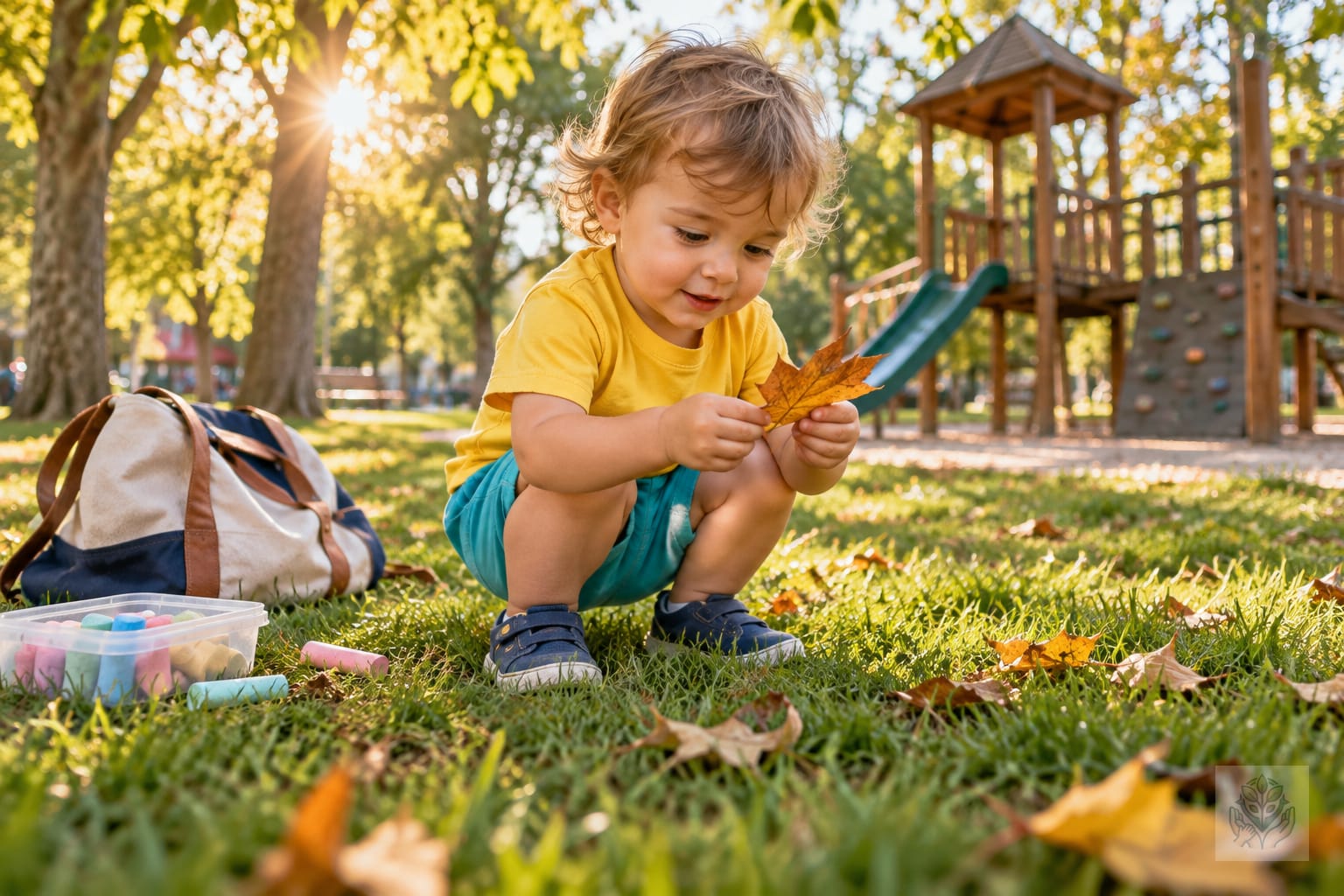
25 Fun Park Activities for Toddlers and Preschoolers: Ultimate Guide
Stepping out of the house and into a local park is one of the most rewarding parts of being a parent. Not only do 25 fun park activities for toddlers and preschoolers provide an excellent way to burn off energy, but they also serve as a vital classroom for early childhood development. When children play outside, they aren’t just having fun; they are building foundational skills that will serve them for years to come.
Outdoor play offers unique benefits that indoor environments simply cannot replicate. From the uneven terrain that challenges balance to the changing sunlight that promotes sensory exploration, parks are the perfect budget-friendly playground. Engaging in structured and unstructured play outdoors supports the development of gross motor skills, enhances sensory processing, and provides a natural space for vital social development as children learn to navigate sharing and taking turns with their peers. If you are looking for more ideas to keep them active at home, check out our guide on indoor activities that build gross motor skills for toddlers and kids.
Active & Gross Motor Park Games
Physical activity is essential for growing bodies. These games help toddlers and preschoolers refine their coordination while keeping the energy levels high.
- Park Obstacle Course: Transform standard equipment into a race. Have your little one climb up the stairs, slide down, run around a specific bench, and hop back to the start.
- Follow the Leader: Animal Edition: Instead of simple walking, turn it into a safari. Hop like frogs, stomp like elephants, or waddle like ducks through the park. You can find even more inspiration with these creative follow-the-leader games for kids at the park.
- Toddler-Friendly Red Light, Green Light: This classic game helps with impulse control. Green light means go, red light means stop—perfect for developing listening skills.
- Sidewalk Chalk Hopscotch: For older preschoolers, draw a simple hopscotch grid. It is an excellent way to practice jumping and counting simultaneously.
- Park Freeze Dance: Bring a small speaker or just use your voice. Dance around the grass and freeze instantly when the music stops to improve motor control.
Sensory & Nature Exploration
Nature is a sensory playground. Allowing children to touch, look, and listen helps them connect with the world around them.
- Nature Scavenger Hunt: Create a simple visual list with pictures of a leaf, a rock, a pinecone, and a flower. Let them search to check items off their list.
- Leaf and Rock Rubbings: Bring paper and crayons. Place a leaf or rock under the paper and let your child rub the crayon over it to reveal the hidden texture.
- Mud Kitchen Creation: Use the dirt and sand near the playground to make pretend soups, cakes, and teas. It is messy, but the sensory engagement is unmatched. For indoor messy play days, you might also enjoy these engaging water sensory play ideas.
- Color Matching: Challenge your child to find items in nature that match specific colors, like finding something yellow, green, or brown.
- Texture Walk: Encourage your child to safely touch different surfaces, such as smooth bark, rough rocks, and soft moss, to discuss how different things feel.
Creative & Imaginative Play
The park is a blank canvas for a child’s imagination. Use these activities to turn a simple afternoon into a magical story.
- Picnic Pretend Play: Pack a light snack and a blanket. Role-play being at a fancy restaurant or hosting a teddy bear picnic in the shade.
- Drawing in the Sand: Use a stick or finger to draw shapes, letters, or faces directly into the sand or loose dirt.
- Storytelling under a Tree: Find a cozy spot under a canopy. Start a story and let your child finish the sentences to build narrative skills.
- Cloud Watching: Lie on your backs and look up. Point out shapes you see in the clouds, like dragons, ships, or animals.
- Flower Petal Soup: Collect fallen petals and leaves to create a colorful potion in a bucket or container.
Skill-Building & Focused Play
Even at the park, we can incorporate learning moments that feel like play rather than lessons.
- Counting Park Features: Practice basic math by counting how many swings are in use or how many stairs lead up to the slide.
- Simon Says: Use this to practice following directions, such as Simon says touch your toes or Simon says jump twice.
- Duck, Duck, Goose: Gather a few friends for this timeless classic that teaches group participation and anticipation.
- Playground Equipment I Spy: Play a game of I Spy focusing on colors and shapes found on the structures, like I spy a red circle or a blue square.
- Rolling Balls Down Hills: Bring a few lightweight balls and test which ones roll faster down a grassy incline to learn basic physics concepts.
Quick & Easy Park Must-Haves
Sometimes the simplest tools make for the most memorable afternoons. Keep these in your park bag for spontaneous fun.
- Bubble Time: Bubbles are universally loved. They encourage chasing and eye-tracking skills.
- Sidewalk Chalk Art: Never leave home without it. You can draw targets, roads, or simply decorate the walkway.
- Parachute Play: Use a lightweight blanket to lift up and down with your child, creating waves and air movement.
- Animal Yoga Poses: Stretch into a cat pose, cobra pose, or downward dog right on the park lawn.
- Park Clean-Up Challenge: End your play session by picking up litter. It teaches environmental stewardship and responsibility.
Parent Survival Tips for Park Days
A successful park outing requires a bit of strategy. First, pack your park bag with the essentials: water, high-protein snacks, sunscreen, baby wipes, and a basic first-aid kit. Staying hydrated is crucial, especially on sunny days, so offer water breaks frequently. For more tips on getting outdoors with younger kids, take a look at our guide on easy hiking adventures for families with young kids.
Safety is always the top priority. Always perform a quick check of the equipment for sharp edges or extreme heat before letting your child play. Finally, manage transitions by giving a five-minute warning before you leave. This helps children adjust to the idea that play is coming to an end, reducing the chance of a meltdown. If you need strategies for managing transitions and cooperation at home, you might find our article on setting clear rules without constant arguments helpful.
Conclusion
Implementing these 25 fun park activities for toddlers and preschoolers can transform a standard trip to the playground into a developmental milestone. Whether you are counting swings or hunting for leaves, the most important thing is the connection you build with your child. Embrace the dirt, enjoy the sunshine, and let your child lead the way. What is your favorite park activity to do with your little ones? Share your ideas in the comments below!
Frequently Asked Questions
What are some good park activities for toddlers?
Great park activities for toddlers include simple obstacle courses, animal-themed follow the leader, bubble time, drawing with sidewalk chalk, and sensory nature scavenger hunts.
How do outdoor park activities help preschoolers?
Outdoor park activities develop gross motor skills, enhance sensory processing, improve balance on uneven terrain, and support social development through sharing and taking turns.
What should I pack in my park bag for toddlers?
Always pack water bottles, high-protein snacks, sunscreen, baby wipes, a lightweight blanket, sidewalk chalk, bubbles, and a basic first-aid kit.
How can I keep my preschooler engaged at the playground?
Keep preschoolers engaged by playing structured games like I Spy, Red Light Green Light, or organizing a nature scavenger hunt with a simple picture checklist.
How do I handle meltdowns when leaving the park?
Manage park transitions effectively by giving your child a five-minute warning before it is time to leave, helping them adjust and reducing unexpected meltdowns.
Are park activities budget-friendly for parents?
Yes, local parks offer free or extremely low-cost environments for physical play, sensory exploration, and creative imagination using natural items like leaves and rocks.


