

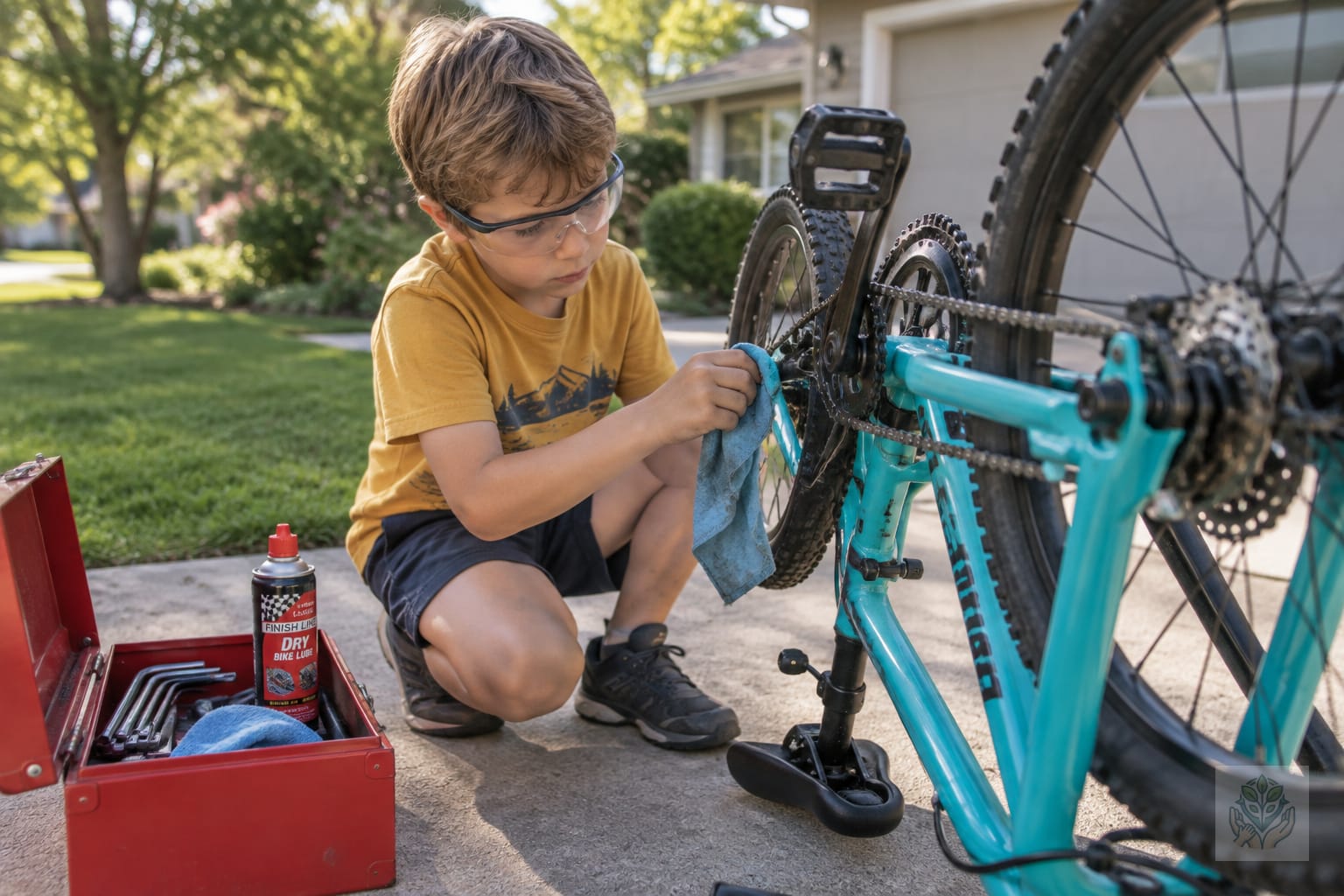
Simple Bicycle Maintenance Kids Can Learn: A Guide for Young Riders
There is nothing quite like the feeling of freedom a bicycle gives a child. The wind in their hair, the crunch of gravel beneath the tires, and the neighborhood adventures waiting just around the corner create some of childhood’s fondest memories. However, that freedom comes with a tiny bit of responsibility. Introducing simple bicycle maintenance kids can learn is one of the best ways to nurture independence, teach practical life skills, and ensure your child stays safe every time they roll out of the driveway. If you are just starting out with a younger child, you might also want to read How Balance Bikes Help Children Learn Cycling Faster: A Parent’s Guide.
As parents, we often rush to fix a dropped chain, pump up a flat tire, or tighten a loose seat ourselves. While it is certainly faster to do it alone, stepping back and handing over the wrench transforms a chore into an empowering learning opportunity. Let us explore how you can turn your child into a confident mini-mechanic while having fun along the way. For guidance on getting the proper fit when they are ready for a new ride, take a look at our tips on How to Choose the Right Bicycle Size for Your Child: The Ultimate Parent’s Guide.
Why Teach Your Child Bicycle Maintenance?
Teaching children how to care for their bikes goes far beyond keeping the gears turning smoothly. When kids learn how their equipment works, they develop a profound sense of ownership and responsibility. They start to understand that taking care of their belongings keeps them functioning properly, a lesson that spills over into every area of their lives.
Furthermore, mastering these hands-on tasks builds incredible confidence. When a child can successfully inflate their own tires or spot a loose bolt, they feel capable and self-reliant. Promoting safety is another major advantage; a child who knows how to do a pre-ride check is far more likely to notice a potential hazard before it turns into a dangerous spill. Plus, saving money on minor bike shop repairs is a wonderful bonus for the family budget!
Safety First: Preparing Your Mini Mechanic
Before you hand your child a set of hex wrenches, a little preparation goes a long way. Safety should always be the absolute priority when introducing mechanical tasks. Start by providing age-appropriate tools that fit comfortably in smaller hands. Adult-sized tools can slip easily and frustrate young learners.
Set clear ground rules regarding adult supervision. While the goal is independence, young children should always perform maintenance under your watchful eye, especially when working near moving parts or using lubricants. Encourage them to wear old clothes or a fun shop apron because bicycle grease has a magical way of finding its way onto brand-new shirts. Finally, teach them to wash their hands thoroughly when the job is done.
The ABC Quick Check: The Golden Rule of Bike Safety
Every great mechanic needs a reliable routine. The absolute gold standard in bike safety is the ABC Quick Check. This catchy acronym helps kids remember the three most critical components to inspect before every single ride.
A stands for Air. Teach your child to check their tire pressure regularly. They can do the classic squeeze test with their hands or learn how to read a floor pump gauge. Riding on properly inflated tires prevents flats and makes pedaling much easier.
B stands for Brakes. Before heading down the driveway, kids should squeeze their brake levers to ensure the bike stops firmly and does not roll forward when the brakes are engaged. They should also look to see that the brake pads are hitting the metal rim or disc properly. To help them master this aspect further, check out our guide on How to Teach Your Child to Brake Safely on a Bike: A Step-by-Step Guide.
C stands for Chain and Crank. The chain should be relatively clean and free of rust, and it should move smoothly over the gears without squeaking. The crank arms should spin freely without any strange wobbling or clicking noises.
3 Simple Tasks Every Kid Can Master
Once your child understands the basics of the safety check, you can introduce hands-on mechanical skills. Here are three simple tasks that children of various ages can easily master with a little practice.
1. Checking for Loose Bolts and Quick-Release Levers
Kids love to inspect things closely, making them fantastic detectives for loose hardware. Teach your child how to gently wiggle the handlebars, the seat, and the wheels to ensure everything feels solid. For older kids, you can introduce a proper torque wrench or Allen key to check that the handlebar stem bolts are secure. Always emphasize the importance of making sure quick-release levers on wheels and seats are fully closed and pointing safely upward or backward so they do not catch on anything while riding.
Teaching Kids How to Clean a Bicycle Chain
A squeaky, gummed-up bike chain makes pedaling much harder and wears out the drivetrain prematurely. Cleaning the chain is a messy and satisfying task that kids surprisingly enjoy.
Start by placing the bike upside down on its handlebars and seat, or put it securely in a bike stand. Give your child an old, clean rag and show them how to wrap it loosely around the lower section of the chain. Instruct them to backpedal slowly while holding the rag, which wipes away surface grime and old dirt.
Next comes the lubrication step. Show your child how to apply one tiny drop of bicycle-specific chain lube to each roller while backpedaling slowly. Emphasize that more is not better; too much oil simply attracts dirt and turns into a sticky black paste. After letting the lube sit for a few minutes, have them wipe away any excess oil with a fresh rag.
When to Call a Professional: Knowing Your Limits
While fostering independence is fantastic, knowing when to ask for help is an equally important safety lesson. Children need to understand that not every bike problem is a DIY project.
Teach your child to recognize when a task is too complex or potentially dangerous for them to handle. Complicated adjustments like true wheel alignment, repairing internal gear hubs, fixing sticky suspension forks, or dealing with major brake cable replacements require an adult or a professional bike shop mechanic. Frame this not as a limitation, but as part of being a smart, responsible rider who respects the complexity of machinery.
Maintenance Fun: Encouraging Consistent Habits
Chores can feel tedious, but bicycle maintenance can easily be transformed into a fun weekend ritual. To keep your child motivated, try gamifying their maintenance routine.
Create a colorful, laminated bike checklist printable that they can hang on the garage wall and check off with a dry-erase marker. You can establish a monthly Maintenance Sunday where you both service your bikes, listen to some upbeat music, and enjoy a special treat afterward. When maintenance feels like a rewarding ritual rather than a boring task, kids are much more likely to maintain these healthy habits for life. For more ideas on managing gear and keeping spaces tidy, you can read our tips on How to Organize Kids’ Sports Equipment at Home: 10 Stress-Free Storage Hacks.
Conclusion
Introducing simple bicycle maintenance kids can learn is about much more than just keeping gears shifting and tires inflated. It is a powerful way to foster lifelong independence, boost self-confidence, and instill a deep appreciation for safety and mechanical care. By guiding your child through simple steps like the ABC Quick Check, chain cleaning, and bolt inspections, you are equipping them with practical life skills they will carry far beyond childhood. The next time a squeaky chain or low tire pops up, resist the urge to fix it immediately. Hand over the rag, offer a supportive smile, and watch your child grow into a capable, confident rider. If your child is ready for an upgrade or you are looking at gear options, you might find our article on The Best Bags and Storage Accessories for Family Bike Rides (2027 Guide) helpful.
Frequently Asked Questions (FAQ)
What age should kids start bike maintenance?
Children can start learning basic bicycle maintenance concepts as early as four or five years old. At this age, they can help wipe down the frame or check if their tires feel firm. As they grow into elementary school and beyond, they can take on more advanced tasks like checking tire pressure, using a rag to clean the chain, and inspecting for loose bolts under your supervision.
What are the essential tools for a kid’s bike kit?
A starter tool kit for a young rider does not need to be complicated or expensive. Essential items include a sturdy floor pump with a pressure gauge, a pack of clean old rags, a bottle of bicycle-specific chain lubricant, and a basic set of hex wrenches (Allen keys) sized to fit their specific bicycle components. Keeping everything together in a dedicated bucket or small toolbox makes maintenance time feel official and exciting. For advice on gear protection, see Best Bicycle Gloves for Young Cyclists: A Parent’s Buying Guide (2024).
Frequently Asked Questions
What age should kids start bike maintenance?
Children can start learning basic bicycle maintenance concepts as early as four or five years old by helping wipe down the frame or checking tire firmness. As they grow into elementary school, they can tackle tasks like cleaning chains and inspecting bolts.
What are the essential tools for a kid’s bike kit?
Essential items include a sturdy floor pump with a pressure gauge, clean old rags, bicycle-specific chain lubricant, and a basic set of hex wrenches sized to fit their specific bike components.
What is the ABC Quick Check for kids?
The ABC Quick Check is an easy safety routine where A stands for Air, B stands for Brakes, and C stands for Chain and Crank, helping kids inspect their bikes before every ride.
How often should kids clean their bike chains?
Kids should gently wipe and lubricate their bike chains whenever they notice squeaking, after riding in wet or muddy conditions, or during a monthly maintenance routine.
Can children use regular oil on a bicycle chain?
No, children should use bicycle-specific chain lubricant rather than household oils, because household oils attract excessive dirt and turn into a sticky paste.
When should a professional bike mechanic fix a child’s bike?
Complicated repairs like true wheel alignment, fixing internal gear hubs, troubleshooting suspension forks, or replacing major brake cables should always be left to a professional.


