

“`html
Best Places to Practice Cycling With Young Children: A Parent’s Guide
Teaching a child to ride a bike is one of those classic milestone moments of parenting. It is a journey filled with enthusiastic wobbling, triumphant cheers, and occasionally, a few scraped knees. Finding the best places to practice cycling with young children can completely transform this milestone from a stressful ordeal into a joyful weekend adventure.
When you are navigating the world of training wheels, balance bikes, and first pedals, the environment matters just as much as the equipment. Selecting the right location helps your child focus entirely on mastering balance and steering without the added anxiety of cars or steep terrain. Before you even head out, you might also want to look at choosing the right bicycle for a young child to ensure their first ride is comfortable.
The Importance of Choosing the Right Environment for Beginner Cyclists
When children first step onto two wheels, their brains are processing a massive amount of sensory and motor information. They are learning how to pedal, steer, brake, and scan the horizon all at once. If you drop them into a busy park or a sidewalk with hidden tree roots, their cognitive load skyrockets, leading to frustration and tears.
Why practice locations impact confidence and skill-building is simple: predictable surroundings breed safety. When children know they do not have to worry about sudden obstacles, they relax. That relaxation translates into better muscle memory, quicker skill acquisition, and a genuine love for the sport.
Setting the stage for a fun, stress-free family activity starts long before you leave the house. By deliberately scouting out welcoming, controlled environments, you set your child up for immediate success. A positive first experience ensures they will be eager to grab their helmet for the next outing.
What to Look for in a Beginner-Friendly Cycling Spot
Not all pavement is created equal. Before you pack up the minivan, you need to know what physical characteristics make a location truly beginner-friendly.
Flat, Paved Surfaces
Steep hills are terrifying for a beginner who hasn’t mastered hand brakes yet. Look for completely flat surfaces where gravity won’t unexpectedly accelerate your child. Smooth asphalt or concrete prevents bumpy rides that can destabilize a shaky rider. Avoid gravel, deep sand, and thick grass until your child has strong steering control. If you want to help them feel secure and comfortable on those early rides, check out our guide on what kids should wear for a bicycle ride.
Traffic Separation
Peace of mind is priceless for parents. The ideal practice zone should be entirely free of motor vehicle traffic. Look for gated areas, dedicated pedestrian plazas, or closed-off zones where you never have to shout a warning about an oncoming car.
Visibility and Width
New riders rarely move in a straight line. They zig, they zag, and they veer toward the edges. You need wide-open spaces with clear line-of-sight visibility so you can spot any obstacles from a distance and give your child plenty of room to wobble safely.
Amenities
Never underestimate the power of basic comforts when adventuring with toddlers and preschoolers. Having clean bathrooms nearby, ample shade for water breaks, and parking close to the riding area will save your sanity when a meltdown inevitably strikes.
Top 5 Types of Places to Practice
Knowing what to look for is half the battle; knowing where to find these spots is the other. Here are the top five types of locations that tick every box for beginner cyclists.
1. Empty School Parking Lots
On weekends and during summer break, local elementary and middle school parking lots transform into automotive deserts. These massive stretches of smooth, freshly paved asphalt provide wide-open boundaries where children can practice starting, stopping, and turning in vast circles.
2. Local Park Multi-Use Paths
Many community parks feature paved multi-use loops that meander through green spaces. These paths are usually wide, well-maintained, and scenic enough to keep young minds engaged. Just be sure to visit during off-peak morning hours to avoid heavy foot traffic from joggers and fast-moving cyclists. You can also explore other ideas for outdoor fun in our 25 fun park activities for toddlers and preschoolers guide.
3. Residential Cul-de-Sacs
If you live on a quiet street, the local cul-de-sac is an accessible classic. With very low traffic and low vehicle speeds, it offers a controlled suburban environment. Neighbors are usually understanding and cautious when they see a child learning to ride.
4. Community Centers and Tennis Courts
Fenced-in outdoor tennis courts or basketball courts are hidden gems for toddler cycling practice. The chain-link fence acts as a natural containment wall so little ones cannot wander off, and the smooth concrete surface is remarkably forgiving for slow-speed coasting.
5. Dedicated Rail-Trails
Converted railway lines offer gentle inclines and wonderfully predictable, wide terrain. Because these paths are designed for walking and cycling, they are usually buffered from major roadways by trees and natural barriers, offering a peaceful ride in nature. For longer outings, make sure you are prepared by checking out our family bike ride essentials checklist for toddlers and preschoolers.
Safety First: Preparing for Your Practice Session
Safety equipment and routine checks are non-negotiable parts of the cycling journey. Before your child ever straddles the frame, take time to prep your gear.
Essential Gear Checklist
- A properly fitted helmet that sits level on the head, two finger-widths above the eyebrows. For detailed advice, read our bicycle helmet safety guide for kids.
- Sturdy closed-toe sneakers or skate shoes with good grip on the pedals.
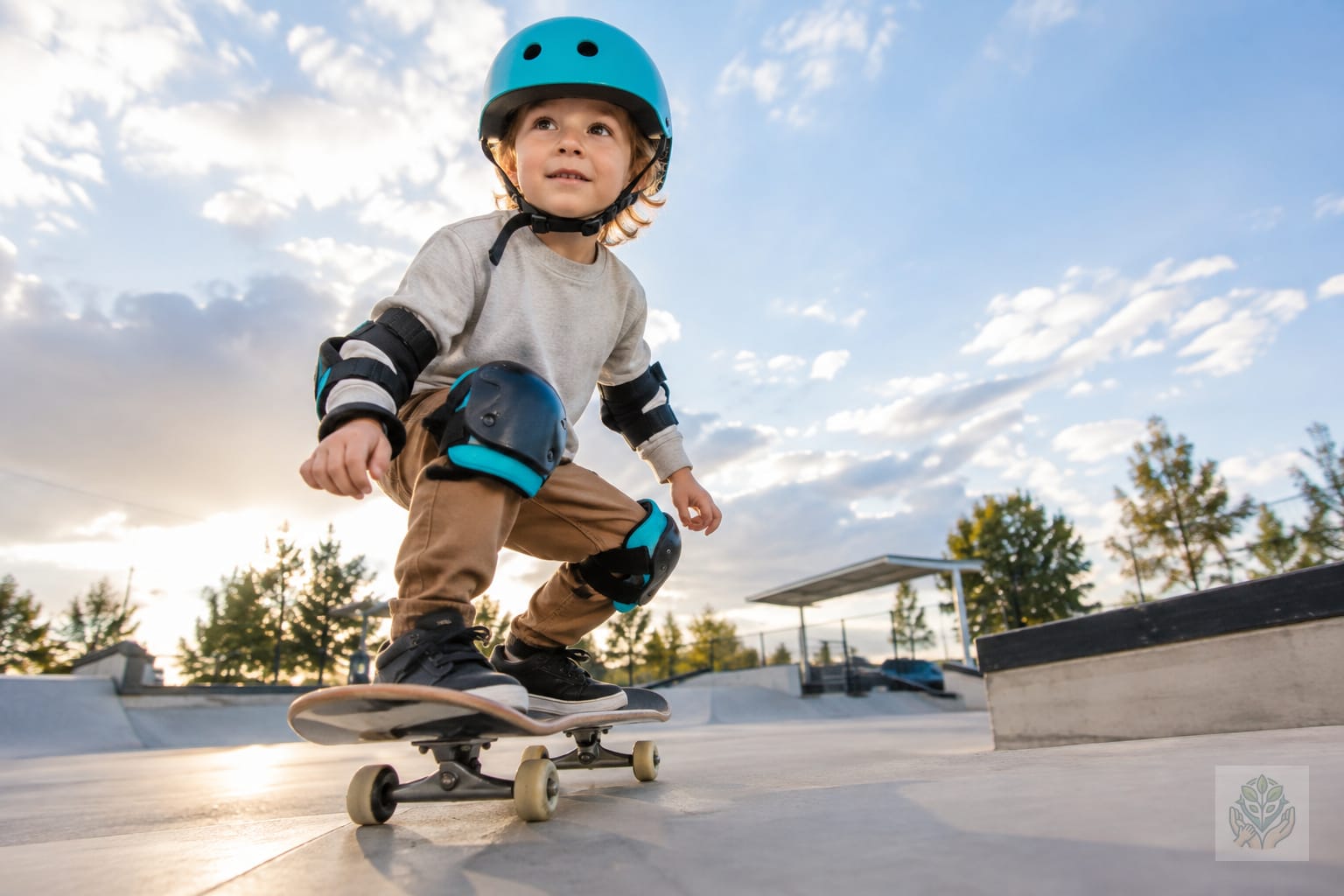
- Optional but recommended: flexible knee and elbow pads for added confidence.
- Brightly colored clothing so your child remains highly visible.
Conducting a Pre-Ride Bike Safety Check
Run through a quick ABC check before every session. Check that the Air pressure in the tires is firm, the Brakes engage properly (if applicable), and the Chain moves smoothly without catching. Ensure the seat height allows your child’s feet to rest flat on the ground if they are on a balance bike or learning to transition. You can also teach them basic upkeep with our simple bicycle maintenance kids can learn guide.
Teaching Basic Bike Signals and Etiquette
Even in empty lots, it is never too early to introduce good habits. Teach your child basic concepts like staying to the right on paths, shouting passing warnings, and looking both ways. These foundational rules keep them safe as they graduate to busier community trails.
Pro-Tips for Stress-Free Learning
Patience and strategy go hand in hand when coaching young riders. Keep these expert tips in mind during your practice sessions.
Keep sessions short and positive. Toddlers have short attention spans and tire out quickly. Aim for fun twenty-minute sessions rather than grueling hour-long boot camps. If frustration sets in, pack up and try again another day.
Gamify the practice to keep things entertaining. Draw chalk lines on the pavement for them to follow, set up cones for a gentle slalom, or practice slow races where the last person to cross an imaginary finish line wins.
Finally, consider your physical support style. Instead of grabbing the handlebars or holding the heavy seat—which throws off their natural center of balance—hold them gently under the arms or attach a specialized balance handle to the back of the saddle. This allows them to feel the bike’s natural lean while you provide a safety net. If your child is still in the earliest stages of learning, you can also read about how balance bikes help children learn cycling faster.
How to Find Hidden Gems in Your Neighborhood
If standard parks are feeling overcrowded, you can easily scout out new, secret practice locations right from your couch.
Use Google Maps satellite view to scan your local area from above. Look for large expanses of gray asphalt near schools, office parks on weekends, or sprawling church parking lots. You will be amazed at how many smooth, empty spaces exist just blocks away.
Consult local parent groups on social media for community recommendations. Other moms and dads are usually more than happy to share their favorite quiet parks and hidden paved loops. You can also check municipal websites for official family cycling maps and greenway guides.
Conclusion
Teaching your child to ride a bike is an incredible bonding experience that opens the door to a lifetime of outdoor adventure. By seeking out the best places to practice cycling with young children, you lay a solid foundation built on confidence, safety, and fun. Remember to stay patient, celebrate the small victories, and let your child set the pace.
What is your family’s favorite local spot to practice riding? Share your go-to locations and best tips in the comments below to help other parents in our community!
Frequently Asked Questions
What makes a good location for teaching a child to ride a bike?
The ideal location features flat, smooth paved surfaces, total separation from motor vehicle traffic, wide-open visibility, and nearby amenities like restrooms and shade.
Are school parking lots good for beginner cyclists?
Yes, empty elementary or middle school parking lots on weekends and during summer breaks provide vast, smooth asphalt surfaces with plenty of room for children to practice turning and stopping.
Why should parents avoid steep hills when teaching toddlers to ride?
Steep hills cause sudden acceleration, which can overwhelm a beginner who has not yet mastered hand brakes or steering, leading to unnecessary fear and frustration.
What safety gear is essential for young cyclists?
Children should always wear a properly fitted helmet that sits two finger-widths above the eyebrows, sturdy closed-toe shoes, and optionally, knee and elbow pads.
How can I find hidden practice spots in my neighborhood?
You can use Google Maps satellite view to spot large empty parking lots or quiet office parks on weekends, and consult local parent groups on social media for recommendations.
How long should a beginner cycling practice session last?
Practice sessions should remain short and positive, typically lasting around twenty minutes to prevent toddler fatigue and maintain enthusiasm for the activity.
“`
Frequently Asked Questions
What are the best places to practice cycling with young children?
The best spots include empty school parking lots on weekends, local park multi-use paths, residential cul-de-sacs, fenced-in tennis courts, and dedicated, flat rail-trails.
Why is it important to choose a flat surface for beginner cyclists?
Flat surfaces prevent unexpected acceleration from gravity, which can terrify a beginner who has not yet mastered hand brakes or steering control.
How can I ensure my child is safe while learning to ride?
Always use a properly fitted helmet, sturdy closed-toe shoes, and consider knee and elbow pads. Conduct a quick pre-ride safety check on tires, brakes, and chains.
Are residential cul-de-sacs good for teaching kids how to ride bikes?
Yes, quiet cul-de-sacs offer low vehicle speeds and a controlled suburban environment, making them an accessible classic for beginners.
How do I find hidden practice spots in my neighborhood?
Use Google Maps satellite view to scout for empty parking lots on weekends, or ask local parent groups on social media for recommendations on quiet paved loops.
How long should a beginner cycling practice session last?
Keep practice sessions short and fun, ideally around twenty minutes, since toddlers have short attention spans and tire out quickly.