

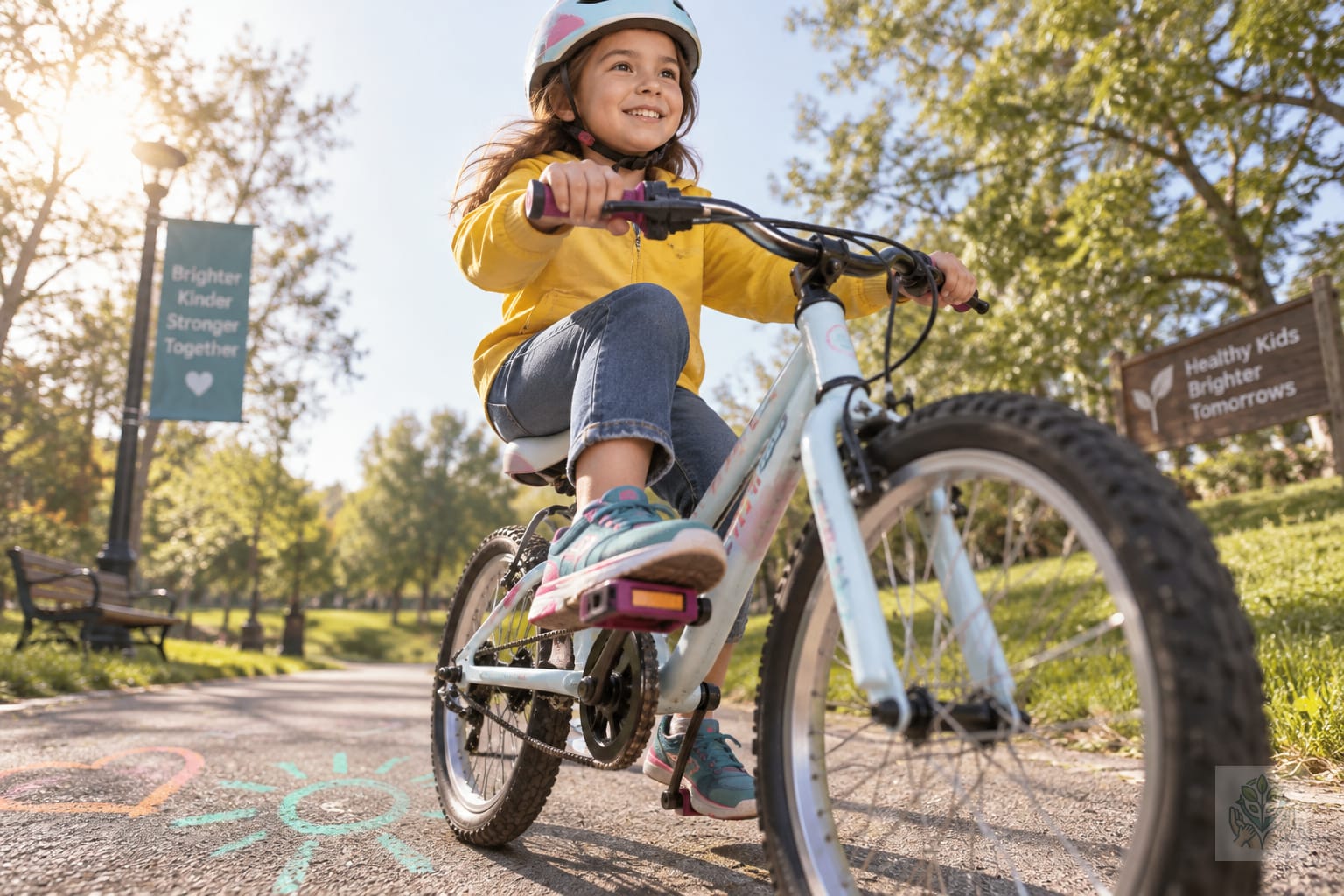
Common Cycling Mistakes Kids Make (And How to Fix Them)
Picture the scene: a sunny Saturday morning, a freshly shined bicycle, and a child eager to take on the world on two wheels. Learning to ride a bike is one of those monumental childhood milestones that fills both kids and parents with a mix of exhilarating pride and nervous anticipation. Wind in the hair, newfound freedom, and endless backyard adventures await.
Yet, the road to becoming a confident cyclist is rarely a straight line. As children master this complex motor skill, it is completely normal for them to stumble, wobble, and pick up a few bad habits along the way. Seeing your child struggle can test your patience, but remember that every wobble is simply a stepping stone toward mastery. Read our guide on how to help a child ride a bike without fear for more confidence-building tips.
By identifying common cycling mistakes kids make early on, you can step in with targeted, supportive guidance. Understanding these typical errors not only accelerates the learning curve but also keeps your little adventurer safe and smiling.
1. The ‘Eyes Down’ Mistake: Looking at the Handlebars
One of the most frequent traps young riders fall into is staring fixedly at their front tire or handlebars. When you ask a beginner where they are looking, their gaze is almost always locked onto the metal right beneath them.
This happens naturally because kids feel vulnerable and want to monitor the moving parts that control their fate. Unfortunately, staring at the handlebars severely limits their field of vision. It causes poor balance, makes steering rigid, and prevents them from spotting upcoming bumps, twigs, or neighborhood pets in time to react.
To break this habit, turn practice into a game. Play the ‘Look Where You Want to Go’ game in an empty, safe park. Scatter bright chalk marks or colorful cones on the pavement, and ask your child to call out what they see ahead while steering toward a designated target.
2. Improper Braking Technique
Braking is often a terrifying concept for a beginner. Kids typically react to stopping in one of two extreme ways: they either squeeze the handbrakes with all their might, resulting in sudden skids and wipeouts, or they refuse to use them entirely, relying instead on dragging their sneakers on the pavement.
Neither approach is safe for long-term cycling development. Slamming on the brakes can cause over-the-handlebars tumbles, while foot-braking ruins shoes and offers very little stopping power on steep driveways or paths.
Help your child master smooth stopping by teaching the ‘feathering’ technique. Have them practice applying gentle, progressive pressure to both brakes simultaneously in a grassy area where falls are soft. Remind them that brakes are designed to slow down gradually rather than act as an instant emergency anchor. You can also explore our step-by-step instructions on how to teach your child to brake safely on a bike.
3. The Balance Struggle: Relying Too Much on Training Wheels
For generations, training wheels were viewed as the holy grail of learning how to bike. Parents bolted them on, assumed their child was safe, and waited for magic to happen. However, modern child development insights tell a different story.
While training wheels provide a false sense of security, they actually hinder true balance development. They teach kids to lean sideways against the wheels rather than finding their own center of gravity, making the eventual transition to two wheels much scarier.
If you are starting fresh, consider skipping training wheels altogether in favor of a balance bike. If you already have a standard bike, simply remove the pedals temporarily. This allows your child to push off with their feet, glide, and naturally discover how balancing works without the safety net of extra wheels. Learn more about how balance bikes help children learn cycling faster.
4. Incorrect Seating and Handlebar Height
Equipment fit plays a massive role in a child’s cycling success. Many parents make the mistake of buying a bike with room to grow, leaving the seat way too high out of fear that the bike will be outgrown in six months. Conversely, a seat that is set too low forces awkward, cramped pedaling.
When a seat is too high, kids panic because they cannot touch the ground securely. When it is too low, their knees rise uncomfortably high, sapping their leg power and causing frustration.
Aim for the sweet spot during setup. When your child sits on the saddle, the balls of both feet should comfortably touch the ground. Proper ergonomics ensure maximum comfort, better control, and less fatigue during long family rides. For complete sizing details, check out our guide on how to choose the right bicycle size for your child.
5. Poor Pedal Positioning During Starts
Have you ever watched a child try to start riding from a dead stop, only to flounder because their pedals are in a completely useless position? It is a classic frustration point.
Kids often try to push off while their dominant foot is sitting at the very bottom of the pedal rotation. This requires an immense amount of initial downward force, resulting in a wobbly, stalled start.
Teach your child the secret ‘Power Pedal’ position. Before they attempt to push off, they should use their foot to pull the dominant pedal up and back to the two o’clock position. From here, a single confident push gives them the momentum they need to roll forward smoothly.
6. Lack of Spatial Awareness
When children are first getting the hang of pedaling, steering, and braking all at once, their cognitive bandwidth is entirely consumed. They become laser-focused on their own bike and completely oblivious to the world around them.
This lack of spatial awareness can lead to bumped curbs, straying into traffic paths, or colliding with siblings. While completely normal due to developing brains, it requires active coaching.
Encourage brief environmental check-ins during your rides. Ask them fun questions like what color car just drove past or whether a dog is walking on the left or right. Always pair this with essential safety gear reminders, ensuring their helmet fits snugly two finger-widths above their eyebrows and wearing bright clothing for maximum visibility. You can consult a proper bicycle helmet safety guide for kids to ensure a secure fit.
Conclusion
Teaching your child to ride a bike is a journey filled with excitement, bumps, bruises, and ultimately, unforgettable triumph. Among all the gear and techniques, patience remains your most powerful parenting tool. Change doesn’t happen overnight.
Celebrate the small wins along the way—whether it is a smoother stop, a better pedal start, or an improved posture. These micro-victories build incredible resilience and self-belief in your child. Once they are ready, you can even explore fun weekend cycling activities for kids to keep the momentum going.
What is your biggest bike-teaching success story or struggle? Share your experiences in the comments below and let us support each other on this parenting journey!
Frequently Asked Questions
Why do kids look down at their handlebars while riding?
Children look down because they feel vulnerable and want to monitor the moving parts, but this limits their field of vision and balance.
How can I teach my child to brake properly?
Teach them the feathering technique by practicing gentle, progressive pressure on both handbrakes in a soft grassy area.
Are training wheels bad for kids learning to bike?
Training wheels provide a false sense of security and hinder true balance development, making the eventual transition to two wheels harder.
How high should a child’s bike seat be?
The bike seat should be adjusted so the balls of both feet comfortably touch the ground when your child sits in the saddle.
What is the best pedal position for starting?
Teach them the ‘Power Pedal’ position by placing the dominant pedal at the two o’clock position before pushing off.
How can I improve my child’s spatial awareness on a bike?
Ask environmental questions during rides, such as identifying colors or nearby objects, to help expand their focus beyond just pedaling.