

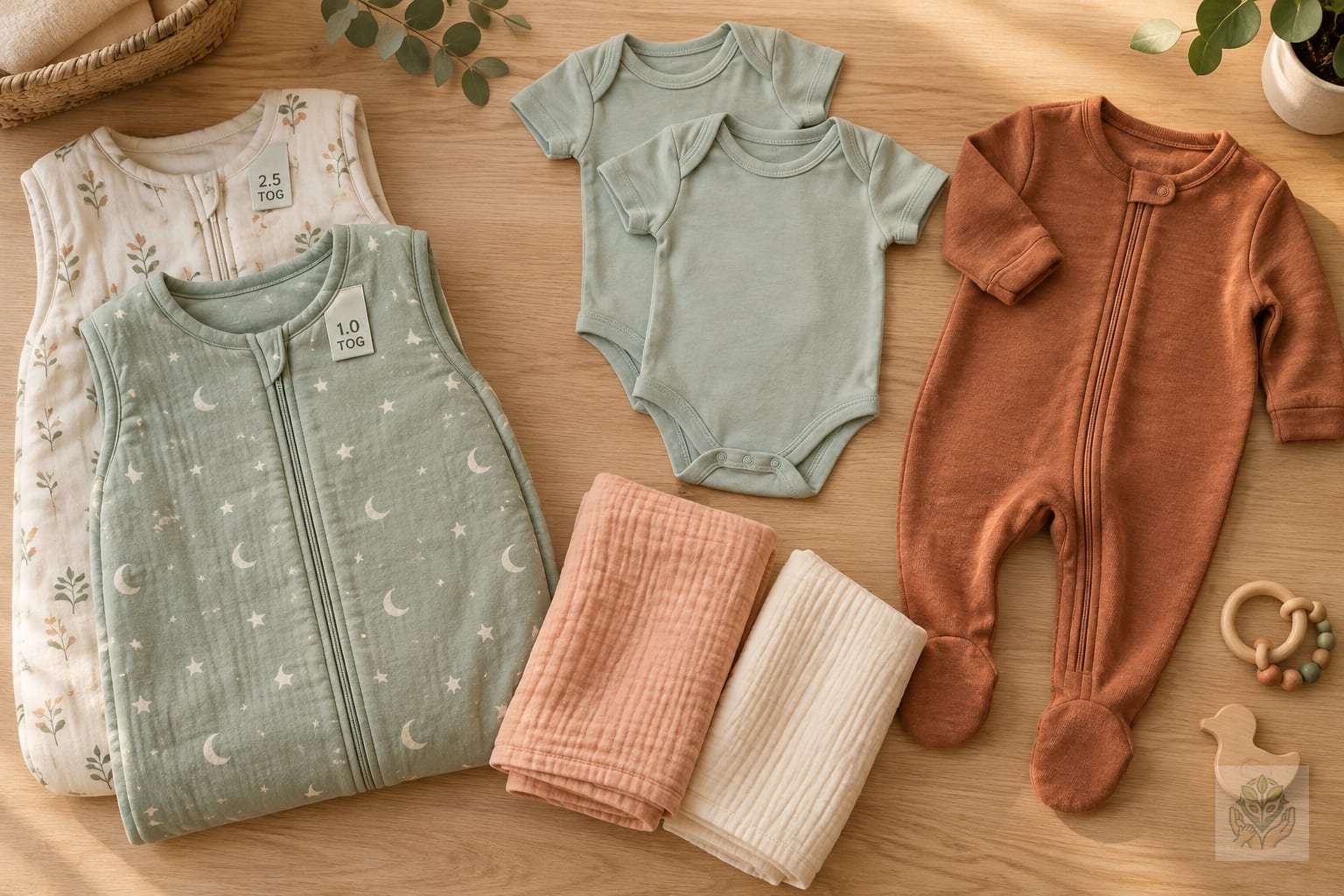
Baby Sleepwear Essentials: The Ultimate Seasonal Dressing Guide for Safe Sleep
Few things cause as much anxiety for new parents as bedtime. Is the room too hot? Is the nursery too cold? Will my baby be safe? Figuring out the right baby sleepwear essentials for different seasons can feel like an impossible puzzle, especially when weather patterns shift overnight. As parents, we want nothing more than to ensure our little ones sleep soundly, comfortably, and safely through the night.
Dressing your infant for sleep goes beyond just putting on cute pajamas. It plays a critical role in safe sleep practices and overall infant development. This comprehensive guide will walk you through everything you need to know about seasonal dressing, from understanding confusing acronyms like TOG to putting together a reliable wardrobe for every month of the year.
Why Seasonal Baby Sleepwear Matters for Safety and Sleep
When it comes to infant sleep, temperature regulation is a top priority. According to the American Academy of Pediatrics (AAP), maintaining a comfortable room temperature without overheating is one of the key factors in reducing the risk of Sudden Infant Death Syndrome (SIDS). Newborns and young infants cannot regulate their own body temperatures as efficiently as adults. They rely entirely on us to manage their environment and clothing layers. You can read more about optimal sleep conditions in our guide to the best bedroom temperature for children’s sleep.
Overheating is a significant risk factor for SIDS. Conversely, underdressing your baby can lead to frequent night waking, leaving both you and your infant exhausted. Finding that sweet spot where your baby is cozy, secure, and properly ventilated ensures a safer, deeper sleep for everyone in the household.
Understanding TOG Ratings: The Secret to Dressing Your Baby
If you have spent any time shopping for infant garments, you have likely encountered the term TOG. A TOG rating stands for Thermal Overall Grade. It is a unit of measurement used to calculate the thermal insulation of sleepwear and sleep sacks. Simply put, it tells you how much heat a garment holds in.
Understanding TOG ratings is the golden standard for dressing your child safely throughout the year. Instead of guessing how many blankets your baby needs—which is dangerous since loose blankets should never be placed in a crib—you simply adjust the TOG rating of their sleep sack or swaddle based on the nursery temperature. Higher TOG ratings mean warmer sacks, while lower TOG ratings keep things light and breezy.
Spring Baby Sleepwear: Navigating Fluctuating Temperatures
Springtime brings unpredictable weather. One day feels like summer, and the next brings a chilly frost. Navigating these transitional weeks requires a flexible layering strategy.
Key Fabrics: Cotton and Bamboo
During the spring, breathable natural fibers are your best friend. Lightweight cotton and bamboo rayon offer fantastic breathability while providing gentle warmth. These materials wick away moisture if your baby gets a little warm during an unseasonably mild afternoon.
Recommended TOG and Outfits (The ‘One More Layer’ Rule)
A general rule of thumb for spring is to dress your baby in one more layer than you are wearing to be comfortable. A standard long-sleeve bodysuit paired with a 1.0 TOG sleep sack is usually the sweet spot for a nursery hovering around 68 to 72 degrees Fahrenheit.
Summer Baby Sleepwear: Keeping Cool on Hot Nights
Hot summer nights present a different set of challenges. When heatwaves strike, parents often worry about their babies overheating. However, blasting air conditioning directly onto a crib can cause chills, requiring a balanced approach to summer sleepwear.
Breathable Materials: Lightweight Cotton and Muslin
Look for ultra-breathable fabrics like 100 percent lightweight cotton or open-weave muslin. These fabrics promote maximum airflow, preventing your infant from trapping excess body heat during humid nights.
Low-TOG Sleep Sacks (0.2 to 0.5 TOG)
Even in the summer, many babies prefer the secure, enclosed feeling of a sleep sack. A low-TOG sleep sack ranging from 0.2 to 0.5 offers that comforting weight without adding unwanted warmth.
What to Wear During a Heatwave (Diaper-only vs. Short-sleeve Onesies)
If your nursery climbs above 75 degrees Fahrenheit, you may need to strip down the layers. For extremely hot nights, a simple diaper paired with a 0.2 TOG muslin sleep sack or even just a short-sleeve cotton onesie is usually sufficient. Always monitor your baby for signs of being too warm.
Autumn Baby Sleepwear: Preparing for the Chill
As summer fades into crisp autumn evenings, you will need to start transitioning your baby’s wardrobe toward cozier options before the deep winter freeze sets in.
Layering Basics: Long-Sleeve Footies and Medium TOGs
Autumn is the ideal time to break out long-sleeve footed pajamas. Pair these snug cotton pajamas with a medium-weight 1.5 TOG sleep sack to keep your baby warm as the night temperature drops.
Introducing Sleep Sacks as Swaddles are Phased Out
Autumn often coincides with developmental milestones, such as rolling over. If your baby is starting to roll, you must stop swaddling immediately. Transitioning to an arms-out sleep sack during these cooler months ensures your baby stays warm while giving them the freedom of movement they need.
Winter Baby Sleepwear: Staying Warm Without Loose Blankets
Winter requires careful planning. Because loose blankets, quilts, and pillows are unsafe in a crib, your baby’s sleepwear must do all the heavy lifting to keep them warm through freezing nights.
Heavy-Duty Materials: Fleece, Merino Wool, and Quilts
Invest in high-quality, breathable insulating materials. Merino wool is exceptional for winter because it naturally regulates body temperature, keeping babies warm without causing them to overheat. Fleece is also a popular, cozy option for outer layers.
High-TOG Sleep Sacks (2.5 to 3.5 TOG)
A heavy-duty sleep sack with a 2.5 to 3.5 TOG rating acts as a wearable duvet. It provides serious warmth while remaining securely zipped in place, eliminating any risk of loose bedding covering your baby’s face.
Under-Layers: Long-Sleeve Bodysuits and Pajamas
For cold winter nights, layer a snug-fitting long-sleeve cotton bodysuit underneath a pair of footed pajamas, topped with your high-TOG sleep sack. Always check your nursery thermostat to ensure you are not over-layering.
How to Check If Your Baby Is Too Hot or Too Cold
One of the most common questions parents ask is how to actually tell if their baby is comfortable. Hand and foot temperature is notoriously unreliable; a baby’s extremities often feel cool to the touch because of their developing circulatory system.
Instead, check the back of your baby’s neck or their chest. The skin should feel warm and dry. If the skin is hot, sweaty, or flushed, your baby is too warm and you need to remove a layer. If the skin feels cool, your baby needs an extra layer or a higher TOG sleep sack.
Checklist: Essential Sleepwear Wardrobe by Age and Season
To help you stock your nursery efficiently, here is a quick-reference checklist of essential items broken down by developmental stage. For more inspiration on setting up the room, check out our guide on essential sleep items every baby nursery needs.
- Newborn Essentials: Swaddle blankets or velcro swaddles (low TOG for summer, fleece/cotton blends for winter), side-snap kimono shirts, and basic footed sleepers.
- 3 to 6 Months Essentials: Transition swaddles (arms-out capable), 1.0 TOG sleep sacks for transitional weather, and lightweight cotton pajamas.
- 6+ Months Essentials: Arms-out sleep sacks in various TOG ratings (0.5 for summer, 2.5 for winter), durable footed pajamas with grip soles for early crawlers, and breathable sleep layers.
Conclusion: Sleep Better with the Right Seasonal Layers
Mastering baby sleepwear essentials for different seasons takes a little bit of practice, but once you understand TOG ratings and the importance of natural, breathable fabrics, bedtime gets much easier. By prioritizing safe sleep guidelines and paying attention to your baby’s cues rather than your own comfort, you can create a cozy, secure sleeping environment year-round. You can also explore our advice on how to create a safe and comfortable nursery for your baby to further prepare your home.
Ready to upgrade your nursery wardrobe? Explore our curated product roundups for the best sleep sacks of the year, or subscribe to our parenting newsletter for more expert tips delivered straight to your inbox!
Frequently Asked Questions
What does TOG rating mean in baby sleepwear?
TOG stands for Thermal Overall Grade. It measures the thermal insulation of a garment, helping you determine how much heat a sleep sack or swaddle holds in.
How do I know if my baby is too hot while sleeping?
Check the back of your baby’s neck or chest. If the skin feels hot, sweaty, or flushed, your baby is too warm and you should remove a layer.
What should my baby wear to sleep during summer?
During hot summer nights, use breathable fabrics like cotton or muslin with a low TOG sleep sack ranging from 0.2 to 0.5, or just a diaper and short-sleeve onesie.
How should I dress my baby for sleep in the winter?
Layer a long-sleeve bodysuit under footed pajamas, paired with a high-TOG sleep sack between 2.5 and 3.5 to keep your baby warm without using loose blankets.
When should I stop swaddling my baby?
You should stop swaddling immediately as soon as your baby shows signs of trying to roll over, transitioning them to an arms-out sleep sack.
Why are hand and foot temperatures unreliable for checking if a baby is cold?
A baby’s extremities often feel cool to the touch due to their developing circulatory system. Always check their chest or the back of their neck instead.