

Essential Crib Safety Products: What You Need for a Safe Sleep Environment
Preparing a nursery for a new baby is one of the most exciting milestones of pregnancy. Amidst choosing paint colors and mobile themes, creating a safe sleep environment remains the absolute top priority for every parent. Knowing which crib safety products are genuinely worth your hard-earned money can feel overwhelming when browsing endless online baby registries. For a wider perspective on room preparation, you can read our complete guide on creating a safe and comfortable nursery.
According to the American Academy of Pediatrics (AAP) safe sleep guidelines, reducing the risk of Sudden Infant Death Syndrome (SIDS) and sleep-related infant deaths requires a minimalist approach to the crib. This guide cuts through the marketing hype to help you distinguish between essential safety gear and unnecessary gadgets, ensuring your little one rests securely all night long.
Understanding the Basics of a Bare Crib
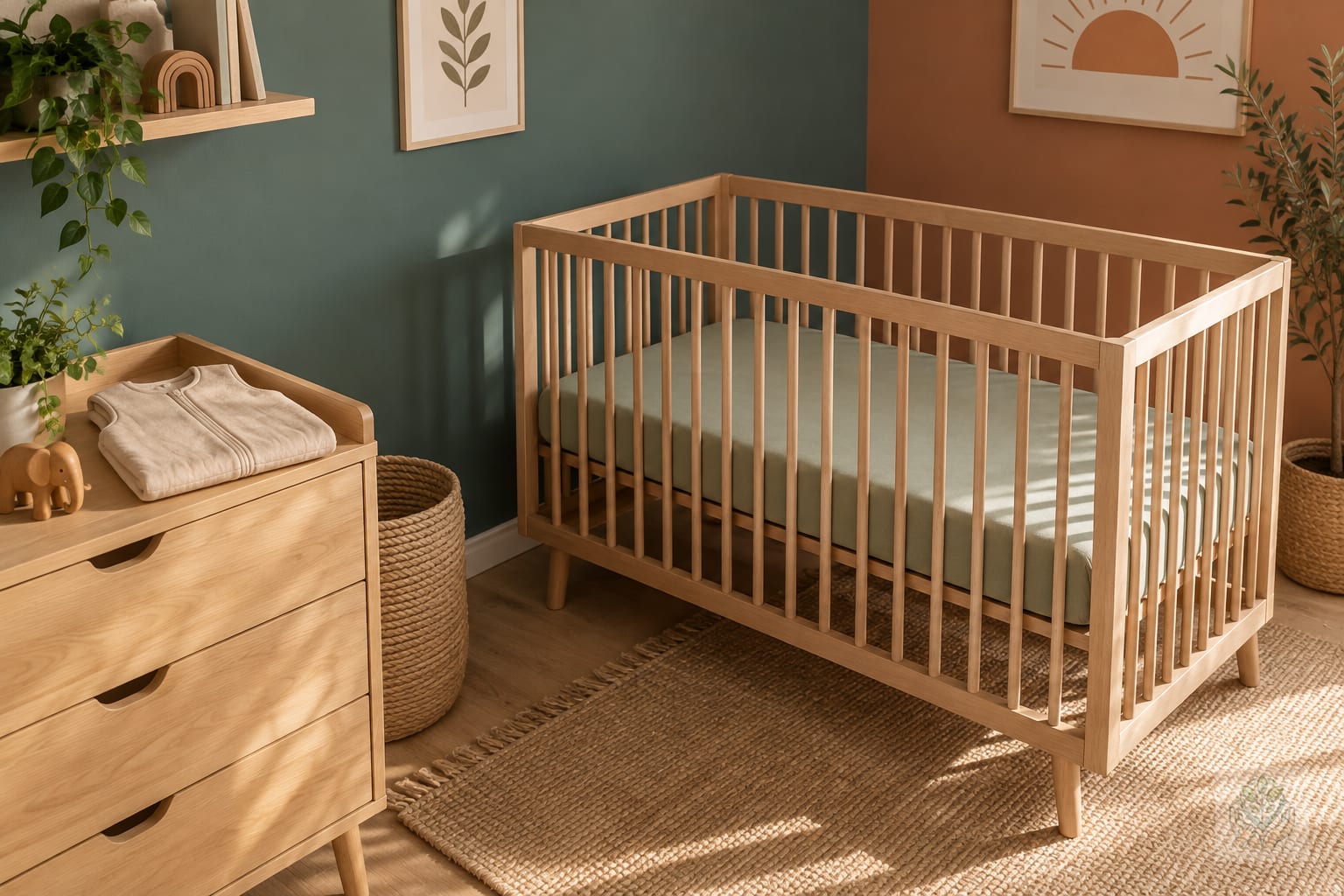
The golden rule of nursery safety is wonderfully simple: keep the crib completely bare. A newborn baby’s sleep space should feature only a safety-approved mattress and a tightly fitted sheet. While vintage nurseries depicted in magazines often show plush bedding, modern pediatric research confirms that pillows, quilts, heavy comforters, and stuffed animals pose severe suffocation hazards.
Parents often wonder about traditional padded crib bumpers or sleep positioners, but safety organizations strongly advise against them. These items can restrict airflow or pose entrapment risks. Instead, modern crib safety products enhance protection through breathable technology and ergonomic design without ever compromising the bare-crib rule.
Top Crib Safety Products Worth Considering
When you are ready to shop, investing in the right gear makes all the difference. Here are the top-rated items that pediatric experts and seasoned parents actually recommend:
1. Firm, Breathable Crib Mattresses
A firm surface is non-negotiable for an infant crib. Soft mattresses can conform to a baby’s face if they roll over, increasing suffocation risks. Look for a dual-stage mattress with an extra-firm infant side and a slightly softer toddler side. Breathable mattresses feature specialized core materials and covers that allow air to circulate freely, giving parents extra peace of mind.
2. Fitted Breathable Crib Sheets
Standard sheets can bunch up or slip off the corners of the mattress if they lack proper elasticity. High-quality, hypoallergenic, and moisture-wicking fitted sheets designed specifically for breathable mattresses ensure a tight, hazard-free fit. Always check that the sheet hugs the mattress snugly with zero slack. To maintain the hygiene of these fabrics over time, you can also consult our tips on how to keep baby bedding clean and fresh.
3. Wearable Blankets and Sleep Sacks
Since loose blankets are unsafe in an infant crib, wearable blankets and sleep sacks are absolute must-haves. They keep your baby warm throughout the night without the risk of fabric riding up over their face. Choose TOG-rated sleep sacks that match your nursery room temperature to prevent your baby from overheating.
4. Video Baby Monitors with Breathing or Movement Tracking
Modern technology offers incredible tools for modern parents. High-definition video monitors equipped with non-intrusive breathing or movement tracking provide helpful insights into your baby’s rest. Always remember that these gadgets are designed to monitor sleep, not replace foundational safe sleep practices.
5. Sleep-Safe Swaddles
For newborns who still exhibit the startle reflex, safe swaddles help them feel secure while mimicking the comfort of the womb. Ensure the swaddle allows for healthy hip dysplasia development with plenty of leg room, and transition away from swaddling the moment your baby shows signs of attempting to roll over.
Crib Products to AVOID (What Not to Buy)
Navigating the baby aisle also means knowing what to leave on the shelf. Marketing departments often push products that look adorable or promise easier sleep, but pediatric safety groups flag several common items as dangerous:
- Traditional padded crib bumpers: These restrict airflow and pose entrapment and suffocation risks.
- Weighted sleep sacks or swaddles: Recent safety warnings advise against weighted garments for infants, as they can put undue pressure on tiny chests and lungs.
- Wedges, positioners, and in-crib inclined sleepers: These products do not prevent reflux safely and have been linked to tragic infant fatalities.
- Plush toys, bumper pads, and loose bedding: Keep all decorative items completely out of the sleep zone until your child is well past toddlerhood.
How to Choose the Right Mattress and Sheets for Your Crib
Shopping for foundational sleep items requires careful attention to certifications and manufacturing standards. Always look for JPMA (Juvenile Products Manufacturers Association) certification and GREENGUARD Gold certification, which ensures the product is tested for low chemical emissions and indoor air quality.
When installing your mattress, use the reliable two-finger rule. If you can fit more than two fingers between the edge of the mattress and the crib frame, the gap is too wide and poses a safety hazard. Furthermore, opt for non-toxic foams, organic cotton, and waterproof layers that resist mold and bacterial growth easily. For broader insights on evaluating hardware safety standards, check out our guide on how to choose a safe crib for your baby.
Expert Tips for Setting Up a Safe Nursery
Choosing the right products is only half the battle. How you set up the physical nursery space plays a massive role in overall infant safety.
Position your crib well away from windows, curtain cords, blind strings, and heavy wall art that could potentially fall. Cords present severe strangulation hazards for curious babies as they grow and reach. Additionally, maintain an optimal room temperature between 68 and 72 degrees Fahrenheit to prevent overheating, which is a known risk factor for SIDS. You can learn more about managing this via our detailed guide on the best bedroom temperature for children’s sleep.
Finally, make it a habit to regularly check your crib hardware. Teething babies can loosen screws and slats over time, so periodically tightening bolts ensures the structure remains sturdy and secure. For an extended look at childproofing other items in the room, read our overview of essential safety products for baby and toddler rooms.
Conclusion
Designing a secure nursery comes down to embracing simplicity and adhering strictly to established pediatric guidelines. By investing in essential crib safety products like firm breathable mattresses, well-fitted sheets, and reliable sleep sacks, you create an optimal environment for your baby to rest and grow.
Remember that a bare crib is a safe crib. If you found this guide helpful, be sure to check out our other nursery safety articles or leave a comment below with your own parenting questions!
Frequently Asked Questions
What are the most essential crib safety products for a new nursery?
The most essential items include a firm, breathable crib mattress, tightly fitted waterproof sheets, and wearable blankets or sleep sacks to keep your baby warm without loose covers.
Are traditional padded crib bumpers safe for babies?
No, traditional padded crib bumpers are not safe. Pediatric safety groups strongly advise against them because they pose severe suffocation and entrapment hazards.
How do I know if my crib mattress fits correctly?
Use the two-finger rule. If you can fit more than two fingers between the edge of the mattress and the crib frame, the gap is too wide and unsafe.
When should I transition my baby out of a swaddle?
You should stop swaddling the moment your baby shows any signs of attempting to roll over, typically around two to four months of age.
Are weighted sleep sacks safe for infants?
Recent safety warnings advise against using weighted sleep sacks or swaddles, as they can put excessive pressure on an infant’s developing chest and lungs.
What certifications should I look for when buying a crib mattress?
Look for JPMA certification for structural safety and GREENGUARD Gold certification to ensure the product has been tested for low chemical emissions.