

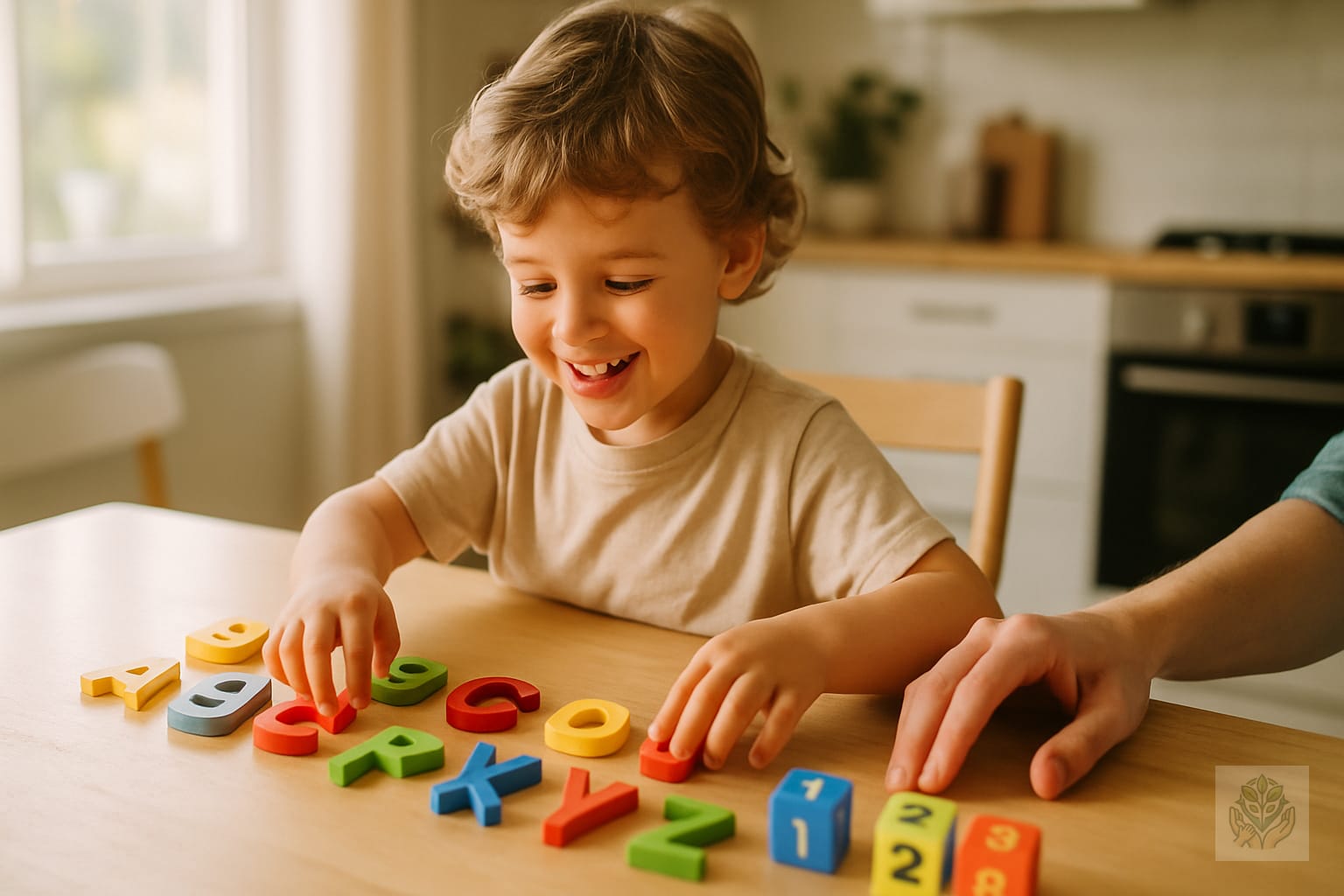
The Complete Guide to ABC and Number Activities for Young Learners
Welcome to the wonderful world of early childhood education! If you are a parent or caregiver looking for ways to spark a lifelong love of learning, you are in the right place. Introducing foundational concepts does not require rigid flashcards or endless worksheets. In fact, research shows that young children thrive when they explore letters and numbers through joyful play. Implementing engaging ABC and number activities at home builds critical thinking, fine motor skills, and cognitive confidence.
Early literacy and numeracy form the bedrock of future academic success. When children grasp the shapes of letters and the value of numbers early on, they build neural pathways that make future reading and math much easier. However, young children learn best through movement, sensory experiences, and hands-on engagement. Sitting still for long periods goes against their natural developmental instincts. Instead, they need to touch, build, jump, and laugh their way through learning.
This complete guide covers everything you need to know to seamlessly weave alphabet practice and counting into your daily routine. From sensory bins to active backyard games, you will find practical, screen-free ideas that fit into your busy schedule. Let us dive into the science of play-based learning and explore activities that your child will genuinely look forward to.
Why Combining ABC and Number Activities Works
When we think about early education, we often separate subjects into distinct categories. We might practice reading books for an hour and then transition to counting blocks. However, young brains do not operate in silos. The cognitive connection between letters and numbers is closely linked in early brain development. Both require symbolic thinking—understanding that a squiggly line represents a specific sound or that a written digit represents a precise quantity.
Integrating ABC and number activities rather than teaching them in strict isolation offers powerful developmental benefits. When children see letters and numbers side by side in sorting games, scavenger hunts, and craft projects, they learn to categorize symbols and recognize patterns faster. Integrated play mimics the natural environment, where math and language intersect constantly in everyday life.
Furthermore, keeping screen-free engagement high with interactive play protects attention spans while boosting creativity. Digital apps have their place, but tactile manipulation of physical objects activates multiple senses at once. When a child molds playdough into the shape of the letter B or counts out ten plastic counters, they cement the concept into their long-term memory through physical sensation.
Part 1: Fun and Engaging ABC Activities for Young Learners
Building alphabet familiarity starts with exposure and sensory exploration. Long before children pick up a pencil to write formal sentences, they need to recognize the distinct shapes and sounds of letters. Here are some of our favorite hands-on ways to introduce the alphabet:
Sensory Alphabet Play
Sensory Alphabet Play provides a calming yet stimulating way to practice letter forms. Fill a shallow tray with coarse salt, colored sand, or flour. Show your child how to use their index finger to trace letters in the tray. The tactile feedback helps anchor the shape of the letter in their mind. Alternatively, squirt shaving cream onto a clean tabletop and let them write uppercase and lowercase letters with their fingers or a paintbrush.
Gross Motor Letter Games
Gross Motor Letter Games get the wiggles out while reinforcing letter recognition. Set up an alphabet hopscotch grid with chalk on the driveway, calling out a letter for your child to jump onto. You can also explore other outdoor activities to boost toddler development, or organize a letter scavenger hunt around the house, asking them to find items that start with specific sounds, such as finding a toy bear for the letter B.
Fine Motor ABC Crafts
Fine Motor ABC Crafts combine creativity with hand strength. Give your child a cotton swab and some washable paint to dab along the dotted outlines of printed letters. You can also roll out homemade playdough into long snakes and twist them into alphabet shapes. These fine motor exercises strengthen the hand muscles required for future handwriting.
Name Recognition Activities
Name Recognition Activities are the absolute most important first step in literacy. A child’s own name is the most meaningful word in their world. Create a custom puzzle by writing the letters of their name on separate paper strips and having them piece them together in the correct order every morning.
Part 2: Hands-On Number and Counting Activities
Developing early math skills begins long before formal arithmetic. An introduction to number sense relies on subitizing—the ability to instantly recognize the number of items in a small group without counting—and counting physical objects with one-to-one correspondence. Try these engaging math ideas:
Active Math Games
Active Math Games turn physical movement into mathematical practice. Set up a simple bowling alley using empty plastic water bottles and a soft ball. After each roll, ask your child to count how many pins fell down. Jump rope counting, where you count aloud together with each successful jump, builds auditory processing and rhythm alongside numerical value.
Kitchen Math and Counting
Kitchen Math and Counting transforms everyday chores into math lessons. Involve your child in snack time by asking them to count out ten crackers onto a plate. When cooking, let them help measure ingredients using measuring cups, discussing concepts like full, half, and empty as you go.
Early Math Crafts
Early Math Crafts make abstract numbers feel tangible. Create a counting bead caterpillar by having your child thread colorful beads onto a pipe cleaner to match a specific number card. Clothespin math wheels are another fantastic tool; draw dots on a paper plate and have your child clip the correct number of clothespins around the edge.
Part 3: Combined ABC and 123 Play Ideas
Once your child shows comfort with individual letters and numbers, you can easily blend them into comprehensive ABC and number activities that challenge their classification skills.
Sorting and Matching Games
Sorting and Matching Games help children differentiate between numbers and letters. Create two large bins, labeling one with the letter A and the other with the number 1. Provide a mixed pile of foam letters and plastic numbers, and ask your child to sort them into the correct containers. This prevents visual confusion between characters like the number 0 and the letter O.
Board Games and Card Games for Preschoolers
Board Games and Card Games for Preschoolers introduce rule-following, turn-taking, and foundational math and literacy concepts. Simple matching games, dominoes, and beginner roll-and-move board games naturally incorporate counting spaces and identifying symbols.
Outdoor Chalk Activities
Outdoor Chalk Activities offer endless space for expansive learning. Draw a massive grid on the sidewalk containing a mix of letters and numbers. Call out combinations like hop on a number 4 and touch the letter S to get their bodies moving while testing their cognitive flexibility.
Expert Tips for Teaching Letters and Numbers at Home
As you embark on this learning journey with your child, keeping a few expert-backed strategies in mind will ensure a positive experience for everyone involved.
- Follow the child’s lead and keep sessions short. Toddlers and preschoolers have natural attention spans of about 5 to 10 minutes. Stop before they get restless.
- Incorporate learning into daily routines. Count the steps as you walk up them, or read street signs and grocery aisle labels out loud during your normal errands.
- Focus on progress over perfection. Never show frustration if your child mixes up a 6 and a 9, or a b and a d. Gentle, playful correction works best.
Recommended Tools and Materials Checklist
You do not need to spend a fortune on expensive educational kits to foster early childhood development. Having a few basic items on hand will allow you to set up engaging activities on a moment’s notice.
- Basic craft supplies including construction paper, washable markers, safety scissors, and non-toxic playdough.
- Sensory bin fillers such as dried rice, black beans, kinetic sand, or pasta noodles.
- Educational toys like magnetic alphabet letters, wooden numbers, counting bears, and interlocking blocks. Explore more options in our age-wise guide for smart learning.
Recommended Amazon Products
As an Amazon Associate, NurtureBharat earns from qualifying purchases.

Gurukanth® Premium Flash Cards for Kids Early Learning | Easy & Fun Way of Learning 1 Year to 6 Years Babies Smart Toys (Set of 3 – ABC, Numbers. Shapes & Colours)
₹199.00
₹2,000.00
— Save 90%
In stock

My First 1000 Words For Kids | Age 2–6 Years | Learning Board Book | Vocabulary Building | Children Picture Book | Latest Edition | Alphabet | 123 | Action & Opposite Words | Body Parts | Birds & More
₹199.00
₹329.00
— Save 40%
In stock

My First Book of Patterns Pencil Control: Patterns Practice book for kids (Pattern Writing) |Best Selling Tracing Book for Kids in India | Early Learning | Tracing Lines & Pattern Writing Activities | Premium Quality Return Gift | Ages 2 – 5 Years | 1.5 hours of fun time
₹99.00
₹149.00
— Save 34%
In stock

Set Of 2 Numbers 1-100 And Alphabet, Numbers, Shapes & Colours Early Learning Educational Charts For Kids|20"X30" Inch|Non-Tearable And Waterproof|Double Sided Laminated
₹198.00
₹320.00
— Save 38%
In stock
Conclusion
Consistency and play are the true secret ingredients to early learning success. You do not need to turn your home into a formal classroom to give your child a head start. By weaving purposeful ABC and number activities into your everyday life, you create a rich, supportive environment where curiosity flourishes.
Choose just one activity from this guide to try today with your little learner. Whether you set up a sensory salt tray or count snack crackers at the kitchen table, enjoy the special bonding time. Share your child’s favorite activity in the comments below to inspire other parents on this journey!
Frequently Asked Questions
At what age should I start introducing ABC and number activities?
You can introduce basic letter and number awareness through songs, books, and everyday talk as early as toddlerhood, usually around ages two to three.
How long should learning sessions be for young children?
Keep sessions short and engaging, typically around five to ten minutes, following your child’s natural attention span and stopping before they get restless.
Are screen-free activities better for early learners?
Yes, tactile manipulation of physical objects activates multiple senses at once, helping children build fine motor skills and cement concepts into long-term memory.
How can I teach letters and numbers without worksheets?
Use hands-on approaches like sensory salt trays, gross motor hopscotch games, kitchen counting, and alphabet crafts to make learning playful.
What if my child mixes up similar letters and numbers?
Focus on progress over perfection and avoid showing frustration. Gentle, playful correction works best for young minds developing visual recognition.
Do I need expensive educational toys for early learning?
Not at all. Basic household items like kitchen counters, paper plates, chalk, and homemade playdough work wonderfully for teaching foundational concepts.


