

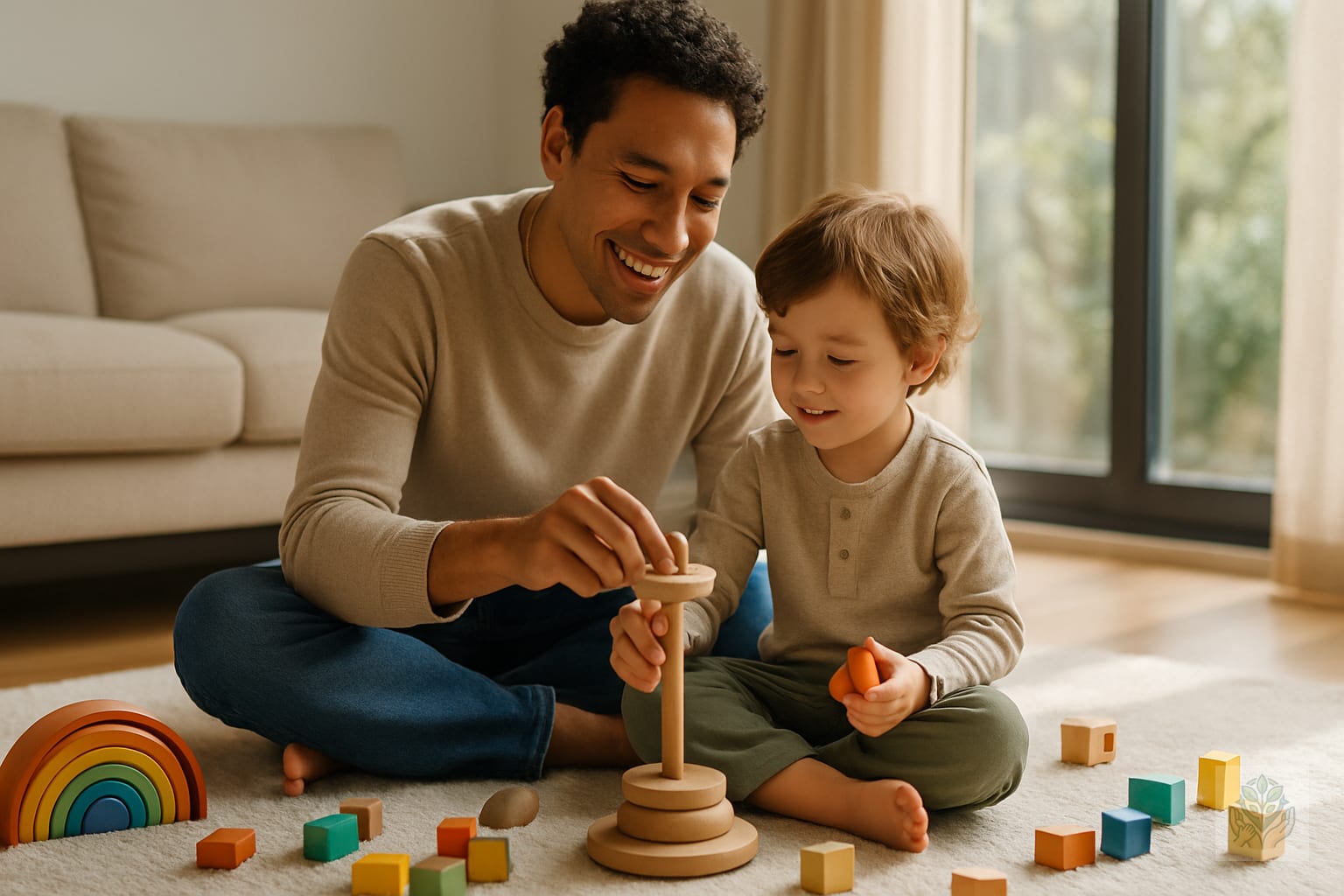
The Ultimate Age-Wise Toy Buying Checklist for Parents: How to Choose the Perfect Gift
Walking into a toy store or browsing online marketplaces can feel overwhelming for even the most prepared parents. With aisles overflowing with flashing lights, catchy jingles, and the latest trends, finding a gift that is truly beneficial—and not just another piece of clutter—is a significant challenge. This is why having an age-wise toy buying checklist is essential. Choosing the right toy isn’t just about fun; it is about providing the right tools to support your child’s cognitive, physical, and emotional development at every stage.
In this guide, we will break down the science of play, provide a comprehensive age-appropriate breakdown, and share safety tips that every parent needs to know. By the end of this article, you will have a clear strategy for selecting meaningful toys that grow alongside your child.
Why Age Matters: The Science of Play
Play is the primary way children learn about the world. It is not a break from learning; it is the work of childhood. When a child engages with a toy, they are practicing essential motor skills, testing cause-and-effect relationships, and developing language. However, the toy must match their current developmental capacity. If a toy is too complex, it creates frustration and a sense of failure. If it is too simple, the child becomes bored and stops engaging, failing to gain the developmental benefits of the activity.
Understanding frustration tolerance is key here. Children learn resilience by tackling challenges that are just slightly above their current ability level—what experts often call the zone of proximal development. A well-chosen toy offers that perfect balance, inviting them to stretch their skills without giving up. By following an age-wise toy buying checklist, you ensure that you are providing the right level of challenge to keep them engaged, curious, and motivated to learn. You can dive deeper into these concepts in our guide on why age-appropriate toys matter for child development.
The Age-Wise Toy Buying Checklist: A Quick Reference
To help you navigate your next shopping trip, here is a categorized checklist based on developmental milestones.
0-12 Months: Sensory and Motor Skills
At this stage, babies are learning to interact with their immediate environment. Look for items that emphasize sensory exploration and fine motor skills. High-contrast mobiles, soft books with different fabric textures, and BPA-free silicone teethers are perfect. Focus on items that respond to their touch, such as rattles or soft plush toys that crinkle, which help them map out cause-and-effect patterns.
1-3 Years: Exploration and Imagination
Toddlers are masters of movement and discovery. They love to push, pull, stack, and sort. Look for sturdy wooden blocks, shape sorters, and push-along toys that encourage physical activity. This is also the beginning of pretend play, so simple kitchen sets or dolls allow them to mimic the world they see around them. Choose toys that are durable enough to survive a toddler’s enthusiasm. For inspiration, check out our 10 kitchen pretend play sets every child will love.
4-6 Years: Social Skills and Problem Solving
As children enter their preschool years, they become more social and capable of complex thought. Board games that focus on turn-taking are excellent for building patience. Building sets, such as magnetic tiles or standard construction bricks, foster spatial awareness and mathematical thinking. At this age, puzzles and craft kits become fantastic tools for honing focus and fine motor dexterity. You can explore the educational benefits of puzzle games to see how these impact their growth.
7-12 Years: Specialized Interests and Skill Mastery
School-aged children often seek autonomy and mastery. Their interests tend to narrow toward specific hobbies like coding, robotics, artistic creation, or complex model building. STEAM toys (Science, Technology, Engineering, Arts, and Math) are excellent for keeping them challenged. Look for sophisticated science kits, strategy-based board games, or hobby-focused equipment that allows them to deepen their expertise in a subject they truly love. If they are interested in digital skills, explore our 10 best coding toys for young children.
Safety First: Crucial Checks Before You Buy
Safety should always be the priority in your toy buying strategy. Before you head to the checkout, always perform a safety audit. First, look for age-grade warnings on the packaging; these aren’t just suggestions—they are based on testing for choking hazards and structural integrity. Always check that toys are free from small parts if you have a child who still explores objects with their mouth.
Beyond immediate physical safety, consider the materials. Opt for brands that label their products as non-toxic, BPA-free, and phthalate-free. When shopping online, do not rely solely on the product photos. Read the verified reviews, paying close attention to comments about durability. If multiple users mention parts breaking off within a few days, it is a red flag regardless of how appealing the toy looks.
Beyond the Box: Tips for Mindful Toy Selection
Many experts recommend a quality over quantity philosophy. A few high-quality, open-ended toys often provide more developmental value than a room full of battery-operated gadgets that only perform one function. When a toy is limited to pressing a single button, the child’s imagination is sidelined. In contrast, blocks, art supplies, and imaginative play figures force the child to become the active participant, building the narrative themselves. You can read more about this in our complete guide to pretend play for child development.
Try to involve your child in the process when they are old enough. Asking them what they enjoy or observing what they gravitate toward at a friend’s house provides valuable insight into their developing interests. By prioritizing open-ended toys, you reduce the clutter in your home and encourage the development of creative thinking skills that will serve them long after they outgrow the toy.
Common Mistakes Parents Make When Buying Toys
One of the most common pitfalls is overestimating a child’s maturity level. Just because a toy says 5+ on the box does not mean every five-year-old is ready for the precision required to assemble it. Additionally, consider your home environment. Bringing home large, bulky items can lead to clutter fatigue, where the sheer volume of toys prevents the child from playing deeply because they feel overwhelmed by choice. If you struggle with organizing, consider looking at 10 genius shelf organization ideas for children’s rooms to reduce clutter.
Finally, avoid falling into the trap of marketing trends. Just because a toy is featured in a viral commercial doesn’t mean it offers educational or long-term value. Always bring your checklist back to the developmental needs of your specific child, rather than the trends of the season.
Conclusion
Selecting the right toy is an act of love and investment in your child’s growth. By utilizing this age-wise toy buying checklist, you can cut through the marketing noise and find gifts that truly resonate with your child’s developmental stage and personality. Remember, the best toy isn’t always the newest or the loudest—it is the one that sparks curiosity, encourages problem-solving, and brings joy to your child’s day. Prioritize play experiences over products, and watch as your child learns and grows with every new discovery. For more parenting tips and our full printable checklist, subscribe to our newsletter today!
Frequently Asked Questions
Why is an age-wise toy buying checklist important?
An age-wise toy buying checklist ensures you choose gifts matching your child’s developmental stage, preventing frustration if a toy is too complex or boredom if it is too simple.
What toys are best for babies aged 0-12 months?
Babies benefit most from sensory exploration and fine motor toys, such as high-contrast mobiles, soft textured books, BPA-free teethers, and cause-and-effect rattles.
How do I choose toys for toddlers aged 1-3 years?
Look for sturdy wooden blocks, shape sorters, push-pull toys, and simple pretend play sets like kitchen accessories that support physical activity and early imagination.
What are the best toys for preschoolers aged 4-6 years?
Preschoolers thrive on turn-taking board games, magnetic building sets, construction bricks, and puzzles that foster spatial awareness, patience, and social skills.
What toy features should I look for in school-aged children (7-12 years)?
Focus on STEAM toys, advanced science kits, strategy board games, and hobby-focused equipment that support autonomy, problem-solving, and specialized skill mastery.
How can I ensure the toys I buy are safe?
Always check age-grade warnings for choking hazards, verify materials are non-toxic, BPA-free, and phthalate-free, and read verified reviews for structural durability.


