

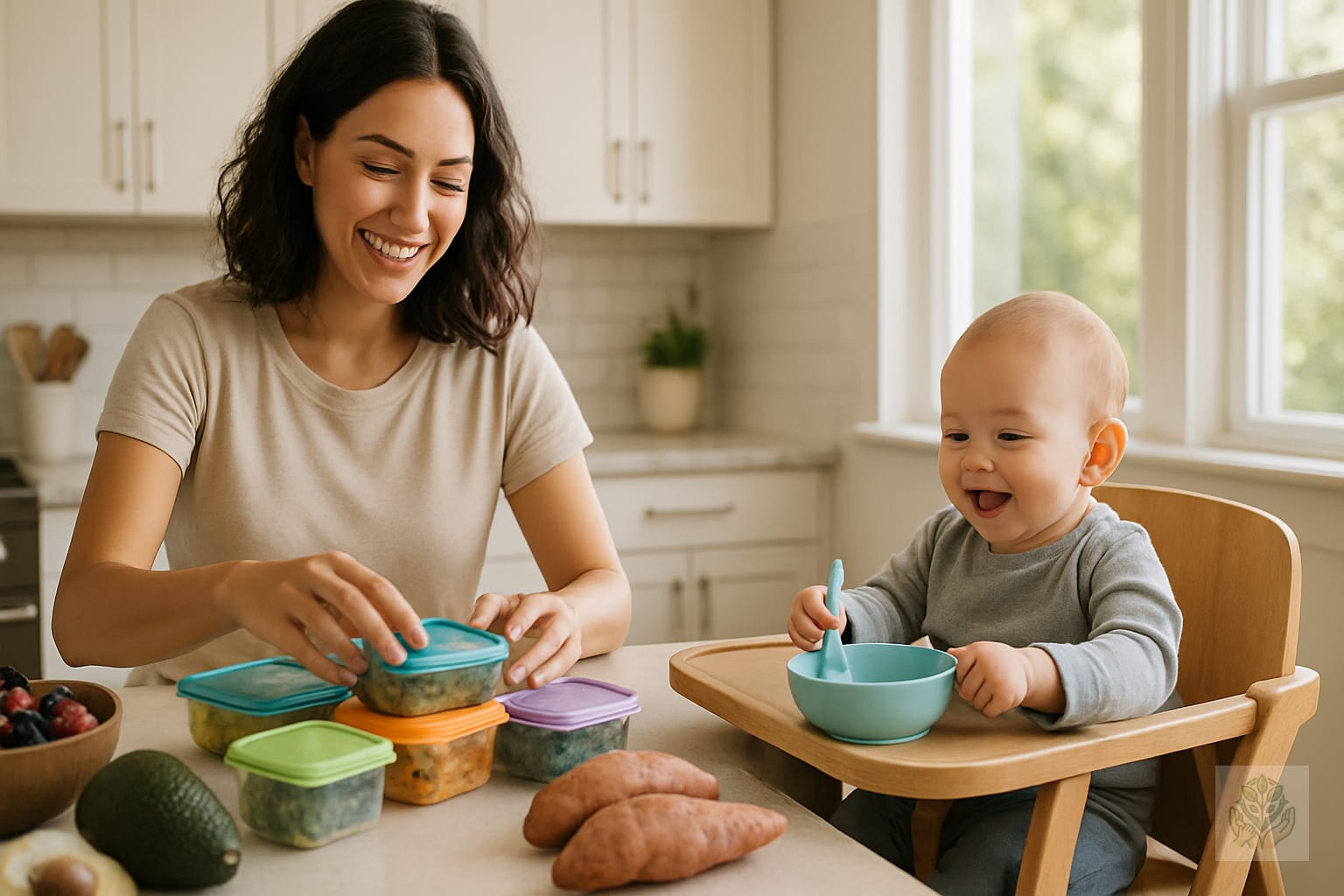
The Complete Guide to Baby Meal Planning for Every Stage: From First Bites to Toddlerhood
Transitioning your little one from milk to solids is a milestone filled with excitement and, let’s be honest, a fair amount of overwhelm. Between navigating texture changes and managing nutritional needs, it is easy to feel lost. That is where baby meal planning becomes a total game-changer for new parents. If you are just starting, everything you need to know before starting baby’s first foods can help simplify the process.
By having a simple plan in place, you move away from the frantic search for what to feed your baby at 5:00 PM. Instead, you focus on providing balanced, nutrient-dense meals that support growth and brain development. This guide will help you navigate every developmental milestone from the first teaspoon of puree to the chaotic, fun world of toddler dining.
Phase 1: The Basics of Starting Solids (6-8 Months)
Before you start, look for the physical signs that your baby is ready. These include sitting up with minimal support, good neck control, and showing interest in your food by grabbing at your plate. Most pediatricians recommend waiting until around six months to begin, as this is when the digestive system is better prepared for solid food.
Choosing Your Path: Purees vs. Baby-Led Weaning (BLW)
There is no single right way to feed your child. Purees allow for a gradual introduction of textures, starting with smooth, single-ingredient vegetables or fruits. Baby-Led Weaning, on the other hand, encourages self-feeding by offering soft, finger-sized pieces of whole food. Many parents find success with a combination of both, providing purees for convenience and finger foods for sensory exploration.
Nutrient Focus: Iron-Rich First Foods
By six months, your baby’s natural iron stores start to deplete. Prioritizing iron-rich foods is vital for cognitive development. Excellent first foods include iron-fortified baby cereal, mashed lentils, finely ground meat, or pureed spinach. Always pair these with a source of Vitamin C, such as pureed strawberries or bell peppers, to help with iron absorption.
Sample 6-Month Meal Schedule
- Morning: Breastmilk or formula.
- Mid-day: One serving of an iron-rich pureed food (e.g., mashed avocado or oatmeal).
- Evening: Breastmilk or formula.
Phase 2: Expanding Palates (9-12 Months)
By nine months, your baby is likely ready for more complex textures. Soft, mashable foods are the goal here. Moving away from liquid-like purees helps develop the oral motor skills necessary for chewing and speech. For more inspiration, check out baby meal planning from six to twelve months.
The Importance of Variety
Avoiding picky eating starts early. By exposing your baby to a wide range of flavors—bitter, savory, and sweet—you help cultivate a broader palate. Do not be discouraged if they reject a food the first time; it often takes ten or more exposures for a baby to accept a new flavor.
Introducing Common Allergens Safely
Current guidance suggests introducing common allergens like peanuts, eggs, and dairy early in the feeding journey, rather than delaying them. Introduce one new potential allergen at a time, preferably in the morning, so you can monitor for any allergic reactions throughout the day.
Sample 9-12 Month Meal Schedule
- Breakfast: Iron-fortified cereal with fruit puree.
- Lunch: Soft-cooked ground turkey and mashed sweet potato.
- Dinner: Small pieces of soft-steamed broccoli and pasta.
- Snack: Breastmilk or formula as needed.
Phase 3: The Toddler Transition (12-24 Months)
Once your child hits the one-year mark, they can officially transition to family-style meals. This is a time of incredible growth, but also a time when many parents notice a fluctuation in appetite. It is completely normal for a toddler to eat like a champion at breakfast and barely touch their dinner.
Healthy Snacking Habits
Toddlers have small stomachs and high energy needs. Focus on nutrient-dense snacks like yogurt, cheese, hummus with cucumber sticks, or sliced bananas. Try to limit “grazing” throughout the day so that they arrive at mealtime with a healthy appetite. You can find more options in our list of top 7 healthy snacks for kids.
Sample Toddler Meal Plan
- Breakfast: Scrambled egg and whole-grain toast strips.
- Lunch: Deconstructed turkey sandwich (meat, cheese, and bread served separately).
- Snack: Greek yogurt with blueberries.
- Dinner: Grilled salmon, roasted carrots, and quinoa.
Practical Strategies for Baby Meal Prep
Baby meal prep doesn’t have to consume your entire weekend. With a few smart strategies, you can manage your time effectively.
Batch Cooking Hacks
Use silicone ice cube trays to freeze single portions of purees. Once frozen, pop them into a labeled freezer bag. For finger foods, roast a large tray of seasonal vegetables once a week and store them in airtight containers for quick side dishes.
The Essential Tool Kit
- High-quality steamer basket or machine.
- Silicone suction plates and bowls.
- Easy-clean bibs with crumb catchers.
- Small, appropriately sized utensils for little hands.
Deconstructed Family Meals
Simplify your life by serving the family the same meal, but in a baby-friendly format. If you are having stir-fry, keep the ingredients slightly larger for the adults and chop them into smaller, bite-sized pieces for the toddler. Omit salt during the cooking process and add it to the adult plates at the table.
Essential Nutritional Guidelines
While planning, keep a few key nutrients in mind. Iron, Vitamin D, and Calcium are the building blocks of early development. Always discuss any specific dietary concerns or supplementation needs with your pediatrician, especially if you follow a plant-based diet. For further nutritional advice, refer to baby nutrition essentials for the first year.
Additionally, remember to avoid certain foods until after the first birthday. Never feed a baby honey due to the risk of infant botulism. Also, avoid added sugars, excessive salt, and choking hazards like whole grapes, nuts, or popcorn.
Conclusion & Frequently Asked Questions
The journey of baby meal planning is a process of trial and error. Trust your baby’s hunger cues—they know when they are full. By focusing on whole foods, variety, and a low-pressure environment, you are setting the stage for a healthy relationship with food that will last a lifetime. Take a deep breath, stay consistent, and remember that every small bite counts toward a healthy future.
FAQ
- How much should my baby actually eat? Babies are experts at self-regulation. Look for signs like turning their head away, pushing the spoon, or closing their mouth to signal they are finished.
- What if my baby refuses to eat? Stay calm and do not force them. Feeding a baby should never be a battle. Simply remove the food, offer a calm, positive environment, and try again at the next scheduled meal.
- Final tips for stress-free mealtime? Keep mealtimes social. When your baby sees you enjoying healthy food, they are much more likely to follow suit.
Frequently Asked Questions
How much food should my baby actually eat?
Babies are intuitive eaters and excel at self-regulation. Look for physical cues like turning their head away, pushing the spoon away, or closing their mouth to signal they are full and finished eating.
What should I do if my baby refuses to eat?
Stay calm and never force your baby to eat. Feeding should be a positive experience. Remove the food without a fuss and try again at the next scheduled meal or snack time.
When is the right time to start solid foods?
Most pediatricians recommend starting solids around six months of age, provided your baby can sit up with minimal support, has good neck control, and shows active interest in your food.
Should I choose purees or baby-led weaning?
Both methods are great. Purees offer a smooth transition into textures, while baby-led weaning encourages self-feeding with whole foods. Many parents successfully use a combination of both approaches.
How do I safely introduce common food allergens?
Introduce common allergens like peanuts, eggs, and dairy early in the feeding journey. Offer one new allergen at a time, preferably in the morning, so you can monitor for any allergic reactions.
What foods should I completely avoid in the first year?
Never give honey to an infant under one year old due to the risk of infant botulism. Also avoid added sugars, excessive salt, and serious choking hazards like whole grapes and nuts.


