

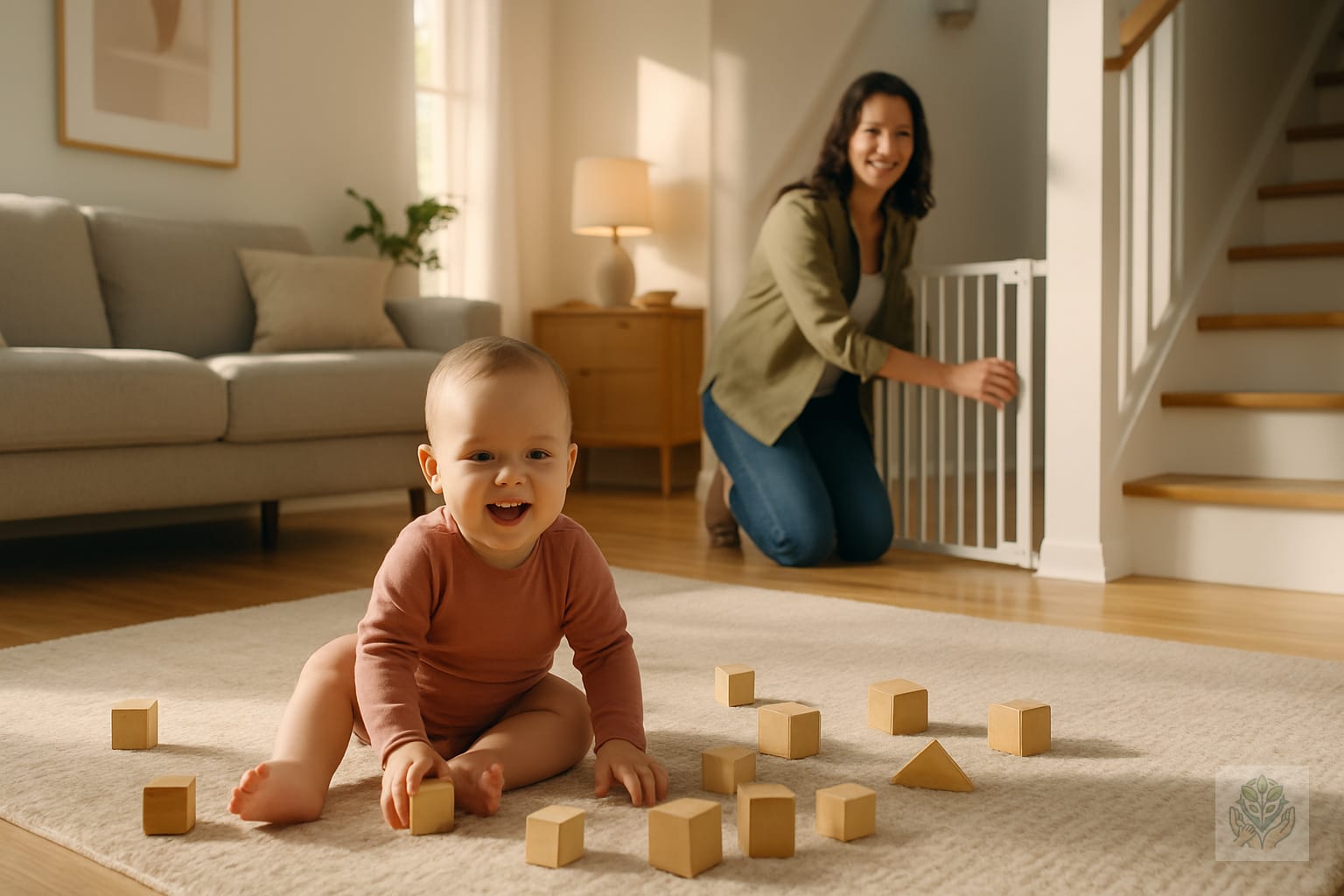
Complete Guide to Baby Safety at Home: A Room-by-Room Checklist for New Parents
Welcoming a new baby is one of life’s most profound transitions. Amidst the sleepless nights and heartwarming milestones, many parents find themselves looking around their homes with a newfound sense of urgency. The goal of baby safety at home is not to turn your living space into a sterile fortress, but rather to create a secure, comfortable environment where your child can explore, grow, and learn with confidence. For more essential advice, check out our Everything Parents Need to Know About Baby Safety: The Ultimate Guide.
As your baby moves from those precious first weeks of stillness to the active stages of rolling, crawling, and eventually cruising, your house will change in their eyes. A coffee table becomes a mountain to climb, and an electrical cord becomes an interesting toy. By proactively managing your home environment, you can foster a ‘yes space’ where you spend less time saying no and more time enjoying those fleeting moments of discovery.
When Should You Start Baby Proofing?
Many parents wonder if they should wait until their baby starts moving before they begin the process of baby proofing. The answer is a resounding no. The best time to start is well before your little one becomes mobile, ideally between months four and six. Once your baby starts crawling, you will find it nearly impossible to find the time or energy to install hardware or reorganize cabinets.
Starting early allows you to test your systems and identify hazards you might have overlooked. It also turns a potentially stressful task into a manageable project that you can tackle in small, weekend-sized bites. Remember, infant safety is a journey that evolves with your child. As they grow taller and more curious, your security measures will need to adapt accordingly.
The Living Room: Creating a Safe Play Zone
The living room is often the heart of the home and the primary location for family interaction. To ensure childproofing success here, you need to think like your baby. Get down on your hands and knees and look at the world from their perspective to spot hidden dangers.
- Secure heavy furniture: Bookshelves, dressers, and television stands are major tipping hazards. Use furniture straps or wall anchors to secure these items firmly to the wall studs.
- Corner guards and edge bumpers: Sharp edges on coffee tables and TV consoles can cause painful bumps and bruises. Soft foam covers can mitigate these risks during those wobbly first steps.
- Electrical safety: Cover all unused electrical outlets with sliding plates or plug covers. Organize loose cords behind furniture or use cable management boxes to prevent tugging and tripping.
- Safe storage: Keep small objects, decorative knick-knacks, and remote controls out of reach. These items are common choking hazards for curious explorers.
Kitchen Safety: Managing Hot Zones
The kitchen is one of the most hazardous rooms in the home due to the presence of heat, sharp objects, and chemicals. Establishing home safety for babies in this room is non-negotiable.
- Lock cabinets and drawers: Use magnetic or latch-style locks to secure any cabinet containing cleaning supplies, plastic bags, or sharp kitchen tools.
- Stove safety: Consider installing stove knob covers to prevent your toddler from turning on burners. Always turn pot handles toward the back of the stove while cooking to prevent accidental spills.
- Breakable storage: Move glass, ceramic, and heavy appliances to higher cabinets that your child cannot reach, even with a step stool eventually.
Nursery and Bedroom Essentials
Your baby spends a significant amount of time sleeping, making the nursery the most critical area for infant sleep safety. A clutter-free space is not just about aesthetics; it is about reducing risks. You can also explore our guide on How to Create a Safer Sleep Environment for Babies: A Parent’s Complete Guide for more details.
- Safe sleep environment: Follow current safe sleep guidelines, including placing the baby on a firm, flat surface without blankets, pillows, or stuffed animals to reduce the risk of SIDS.
- Blind cord safety: Dangling cords from window blinds are strangulation hazards. Install cordless blinds or use cord cleats to keep them completely out of reach.
- Furniture placement: Keep cribs and toddler beds away from windows, drapes, and wall lamps where cords could be accessed.
Bathroom and Laundry Room: Preventing Drowning and Poisoning
Bathrooms and laundry rooms contain some of the most dangerous household items. Implementing strict toddler safety measures in these rooms is essential for peace of mind.
- Toilet lid locks: Keep the toilet lid closed and secured with a latch to prevent accidental drowning or the child dropping toys into the plumbing.
- High storage: Keep all medications, vitamins, and cleaning chemicals in a high, locked cabinet. Never store these items under the sink where a child can easily reach them.
- Water supervision: Never, ever leave a baby unattended in or near a bathtub, even for a moment. Drowning can happen silently and quickly, even in shallow water.
Stairways and Entryways
As your baby becomes mobile, stairs become a major source of concern. Proper gating is a fundamental part of home safety.
- Hardware-mounted vs. pressure-mounted gates: Always use a hardware-mounted gate at the top of the stairs, as these are drilled into the wall and can withstand significant force. Pressure-mounted gates are fine for doorways or the bottom of the stairs but should never be used at the top.
- Entryway organization: Keep shoes, bags, and umbrellas tucked away. Cluttered entryways are prime tripping hazards for both toddlers and parents carrying a baby.
Top Baby Safety Gadgets Worth the Investment
While you do not need to buy every gadget on the market, some tools are worth the investment for the added layer of security they provide. High-quality baby monitors with video and audio are essential for keeping an ear and eye on your little one during nap time. Smart home sensors can alert you to unauthorized doors being opened or changes in room temperature.
Investing in reliable, name-brand cabinet locks and high-quality safety gates will save you frustration in the long run. Cheap, flimsy plastic locks often break within weeks, whereas sturdy, well-engineered versions offer a much longer lifespan and better protection for your household.
Common Baby Proofing Mistakes to Avoid
Even well-intentioned parents often make common mistakes when setting up their home. One of the most frequent errors is underestimating a baby’s climbing ability. A drawer that is locked today might be used as a ladder tomorrow, so always ensure that furniture is anchored securely. Read our guide on How to Prevent Common Household Accidents for Babies: The Ultimate Room-by-Room Safety Guide for further insights.
Another mistake is forgetting to secure smaller items that seem harmless. Paperclips, coins, and loose change can be lethal choking hazards. Finally, do not neglect the ‘hidden’ areas like garages or home offices, where your baby might wander if a door is left slightly ajar. Consistent vigilance is key to effective baby safety at home.
Conclusion: Peace of Mind for You and Your Baby
Achieving baby safety at home is not a one-time chore; it is an ongoing process of assessment and adjustment. As your child grows from a crawler to a runner, their capabilities will change, and your safety measures must evolve alongside them. Take a deep breath and tackle these steps one at a time. By preparing your home thoughtfully, you are creating a foundation of security that allows you to focus on what matters most: bonding with your child and enjoying the beautiful journey of parenthood. To build an even stronger connection during this time, take a look at Why Family Bonding Matters for Young Children: Building a Foundation for Life.
Frequently Asked Questions
When should I start baby proofing my home?
It is best to start baby proofing before your baby becomes mobile, ideally between months four and six, to ensure you are well-prepared before they start crawling.
What is the safest type of baby gate for stairs?
Always use a hardware-mounted gate at the top of the stairs because it is securely drilled into the wall and can withstand significant force.
How can I prevent heavy furniture from tipping over?
Secure heavy furniture like bookshelves, dressers, and television stands firmly to the wall studs using furniture straps or wall anchors.
What are the key rules for a safe sleep environment?
Place your baby on a firm, flat surface without any blankets, pillows, or stuffed animals to significantly reduce the risk of SIDS.
How do I secure the kitchen against baby hazards?
Use magnetic or latch-style locks on cabinets containing cleaning supplies or sharp tools, install stove knob covers, and always turn pot handles toward the back.
Are pressure-mounted gates safe for the top of stairs?
No, pressure-mounted gates should never be used at the top of stairs because they can dislodge under pressure; use them only at doorways or the bottom of stairs.


